





















Popular
What motivates the character Tom Dobb to join the fight during the American Revolution?
How does the relationship between Tom Dobb and his son evolve throughout the film?
What role does the character of the British soldier play in Tom Dobb's journey?
How does the film depict the impact of war on civilians, particularly through Tom Dobb's experiences?
What is the significance of the setting in the film, particularly the depiction of 18th-century America?
Should I watch it?
Ask Your Own Question

What is the plot?
Sorry, we aren't able to watch and write up a full detailed plot yet. Check back in a few days.
More Movies Like This
Browse All Movies →

What is the ending?
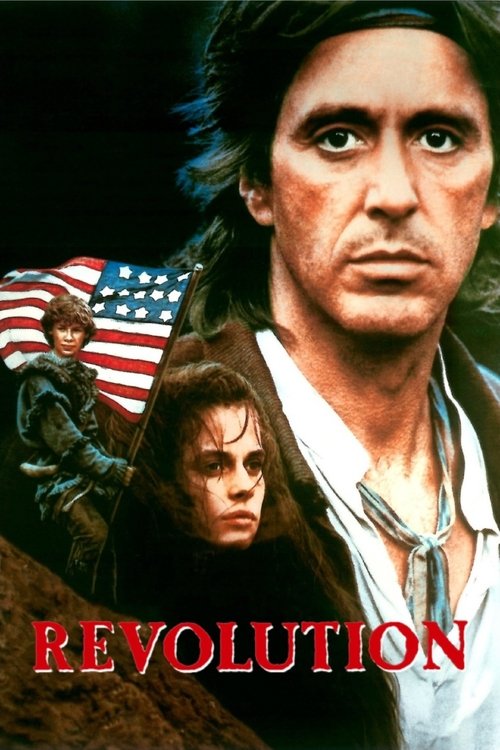
In the ending of the movie "Revolution," the protagonist, Tom Dobb, finds himself in a dire situation as he witnesses the chaos of the American Revolutionary War. After a series of harrowing events, he ultimately decides to fight for the cause of freedom, but the outcome is tragic. The film concludes with a sense of loss and futility, as Tom's journey reflects the harsh realities of war and the personal sacrifices made by individuals.
As the film approaches its climax, we see Tom Dobb, played by Al Pacino, grappling with the consequences of his choices. The setting is a war-torn landscape, filled with the sounds of gunfire and the cries of soldiers. Tom, who initially sought to avoid conflict, is thrust into the heart of the revolution. He is driven by a mix of desperation and a newfound sense of purpose, as he realizes that he cannot stand idly by while his loved ones suffer.
In a pivotal scene, Tom is reunited with his son, who has been swept up in the fervor of the revolution. Their reunion is fraught with tension, as Tom struggles to reconcile his desire to protect his son with the harsh realities of the world around them. The emotional weight of this moment is palpable, as Tom's internal conflict becomes evident. He is torn between his paternal instincts and the call to fight for a greater cause.
As the battle rages on, Tom witnesses the brutality of war firsthand. The chaos is overwhelming, with soldiers falling around him and the landscape marred by destruction. In this turmoil, Tom's character is tested; he must confront his fears and the consequences of his actions. The film captures the visceral experience of combat, highlighting the confusion and terror that accompany such a tumultuous time.
In the final moments, Tom makes a fateful decision to join the fight, embodying the spirit of rebellion that has consumed those around him. However, this choice leads to devastating consequences. The film culminates in a tragic scene where Tom's son is killed in the crossfire, leaving Tom to grapple with the profound loss. The emotional devastation is evident on his face, as he realizes that his quest for freedom has come at an unbearable cost.
The film closes with Tom standing amidst the ruins of the battlefield, a figure of sorrow and regret. The once vibrant hope for a new beginning is overshadowed by the grim reality of loss and the futility of war. Tom's journey ends not with triumph, but with a haunting reminder of the sacrifices made in the name of freedom. The fate of the main characters is sealed in this tragic conclusion, leaving a lasting impact on the audience as they reflect on the personal toll of the revolution.
Is there a post-credit scene?
The movie "Revolution," produced in 1985, does not have a post-credit scene. The film concludes without any additional scenes or content after the credits roll. The story wraps up with the main character, Tom Dobb, reflecting on the impact of the American Revolutionary War and the personal sacrifices made throughout the narrative. The ending emphasizes the themes of loss, struggle, and the quest for freedom, leaving the audience with a sense of the weight of history rather than a continuation of the story.
What motivates the character Tom Dobb to join the fight during the American Revolution?
Tom Dobb, played by Al Pacino, is initially a fur trapper who is more concerned with his own survival than the political turmoil around him. However, as he witnesses the injustices faced by the common people and the impact of the war on his family and friends, his motivations shift. The loss of his son and the brutal realities of war compel him to take a stand, transforming him from a self-serving individual into a reluctant participant in the revolutionary cause.
How does the relationship between Tom Dobb and his son evolve throughout the film?
At the beginning of the film, Tom Dobb shares a strained relationship with his son, who is eager to join the fight for independence. Tom's protective instincts clash with his son's desire for adventure and purpose. As the story progresses, the bond between them is tested by the harsh realities of war. The emotional turmoil reaches a peak when Tom loses his son, leading to a profound sense of guilt and loss that shapes his character for the remainder of the film.
What role does the character of the British soldier play in Tom Dobb's journey?
The British soldier, who represents the opposing force, serves as a catalyst for Tom Dobb's transformation. Their encounters highlight the personal conflicts of war, as Tom grapples with the soldier's humanity despite being on opposite sides. This relationship forces Tom to confront his own beliefs about loyalty, duty, and the cost of war, ultimately influencing his decisions and actions as he navigates the chaos of the revolution.
How does the film depict the impact of war on civilians, particularly through Tom Dobb's experiences?
The film vividly illustrates the devastating effects of war on civilians through Tom Dobb's experiences. As he witnesses the destruction of his home, the suffering of his community, and the loss of loved ones, the emotional weight of these events becomes palpable. The film captures the chaos of battle, the fear and desperation of the people, and the moral dilemmas faced by individuals caught in the crossfire, emphasizing the personal toll of the revolutionary struggle.
What is the significance of the setting in the film, particularly the depiction of 18th-century America?
The setting of 18th-century America is crucial to the film, as it provides a rich backdrop for the unfolding drama. The landscapes, from the rugged wilderness to the chaotic battlefields, reflect the harsh realities of the time. The film's attention to period details, such as clothing, weaponry, and the social dynamics of the era, immerses the audience in the historical context. This setting not only enhances the authenticity of the narrative but also serves to highlight the stark contrasts between the lives of the common people and the political elite during the revolution.
Is this family friendly?
"Revolution," produced in 1985, is not considered family-friendly due to several potentially objectionable or upsetting scenes and themes. Here are some aspects that may be concerning for children or sensitive viewers:
-
Violence and Warfare: The film is set during the American Revolutionary War, featuring scenes of battle, gunfire, and the chaos of war. The depiction of violence can be intense and graphic, showcasing the brutality of conflict.
-
Death and Suffering: Characters experience loss and trauma, including the death of loved ones. The emotional weight of these moments can be heavy and distressing.
-
Poverty and Desperation: The film portrays the struggles of the lower class, including scenes of poverty, hunger, and desperation, which may be upsetting for younger audiences.
-
Mature Themes: The narrative explores themes of betrayal, loyalty, and the moral complexities of war, which may be difficult for children to fully understand or process.
-
Emotional Turmoil: Characters undergo significant emotional struggles, including fear, grief, and despair, which can be intense and may resonate deeply with sensitive viewers.
Overall, the film's mature themes and depictions of violence and suffering make it more suitable for adult audiences.









