








































Popular
What is the significance of the character of Dr. Robert Oppenheimer in Day One?
How does the relationship between Oppenheimer and General Leslie Groves evolve throughout the film?
What role does the character of Jean Tatlock play in Oppenheimer's life in Day One?
How does the film depict the scientific community's response to the development of the atomic bomb?
What are the key moments that illustrate Oppenheimer's transformation throughout Day One?
Should I watch it?
Ask Your Own Question

What is the plot?
Sorry, we aren't able to watch and write up a full detailed plot yet. Check back in a few days.
More Movies Like This
Browse All Movies →




What is the ending?
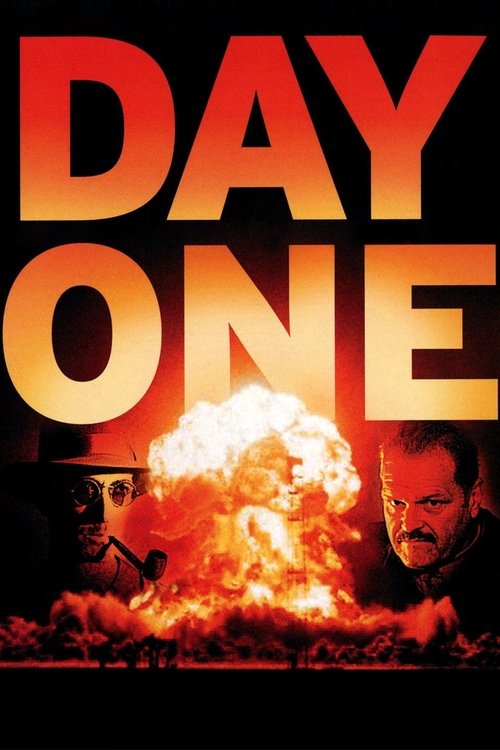
In the ending of "Day One," the story culminates with the successful detonation of the atomic bomb, marking a significant moment in history. The main characters, including Dr. J. Robert Oppenheimer, grapple with the moral implications of their work. As the bomb is tested, the characters reflect on their contributions and the consequences of their actions, leading to a sense of foreboding about the future.
As the film progresses toward its conclusion, the tension builds around the final preparations for the Trinity test. The scene is set in the New Mexico desert, where the scientists and military personnel are gathered, each filled with a mix of anticipation and dread. The atmosphere is thick with anxiety as they await the moment that will change the course of history.
Dr. Oppenheimer, portrayed with a deep sense of responsibility, stands among his colleagues, his face a mask of concentration and worry. He is acutely aware of the weight of their creation, the atomic bomb, and the potential devastation it could unleash. His internal conflict is palpable; he is proud of the scientific achievement but haunted by the moral implications of unleashing such power.
As the countdown begins, the camera captures the faces of the scientists, each reflecting their own fears and hopes. Some are excited, believing they are on the brink of a new era, while others are visibly shaken, contemplating the destruction that could follow. The tension is almost unbearable as the seconds tick down.
When the bomb is finally detonated, a blinding flash of light engulfs the landscape, followed by a massive shockwave that ripples through the desert. The visual spectacle is both awe-inspiring and terrifying, symbolizing the duality of human innovation. Oppenheimer's expression shifts from anticipation to horror as he witnesses the destructive power of their creation. The mushroom cloud rises ominously into the sky, a harbinger of the nuclear age.
In the aftermath of the explosion, the characters are left to grapple with the reality of what they have done. Oppenheimer's internal struggle becomes evident as he reflects on the implications of their success. He quotes the Bhagavad Gita, expressing his realization that they have become "destroyers of worlds." This moment encapsulates the profound moral dilemma faced by the scientists: the pursuit of knowledge versus the potential for catastrophic consequences.
As the film draws to a close, the fate of the main characters is revealed. Oppenheimer, burdened by guilt and the weight of his actions, becomes a complex figure, revered for his intellect yet haunted by the legacy of the bomb. Other scientists, like General Leslie Groves, are portrayed as pragmatic, focused on the military implications of their work, but even they cannot escape the moral quandary that lingers in the air.
The final scenes leave the audience with a sense of unease, as the characters confront the reality of their creation. The film ends on a somber note, emphasizing the profound impact of their actions on humanity and the uncertain future that lies ahead. The legacy of the atomic bomb is set against the backdrop of the Cold War, hinting at the ongoing conflict and the ethical dilemmas that will continue to arise from the pursuit of scientific advancement.
Is there a post-credit scene?
The movie "Day One," produced in 1989, does not have a post-credit scene. The film concludes its narrative without any additional scenes or content after the credits roll. The story focuses on the events surrounding the development of the atomic bomb during World War II, particularly highlighting the moral and ethical dilemmas faced by the scientists involved in the Manhattan Project. The ending emphasizes the weight of their decisions and the profound impact of their work on humanity, leaving the audience to reflect on the consequences of their actions.
What is the significance of the character of Dr. Robert Oppenheimer in Day One?
Dr. Robert Oppenheimer is portrayed as a complex figure, grappling with the moral implications of his work on the atomic bomb. His internal conflict is highlighted through his interactions with other scientists and military officials, showcasing his initial enthusiasm for scientific discovery that gradually turns into a deep sense of dread as he realizes the destructive potential of the weapon he is helping to create.
How does the relationship between Oppenheimer and General Leslie Groves evolve throughout the film?
The relationship between Oppenheimer and General Leslie Groves begins with mutual respect and a shared goal of developing the atomic bomb. However, as the project progresses, tensions arise due to differing priorities; Groves is focused on military success and efficiency, while Oppenheimer becomes increasingly concerned about the ethical ramifications of their work. This dynamic creates a push-and-pull that reflects the broader moral dilemmas faced by the team.
What role does the character of Jean Tatlock play in Oppenheimer's life in Day One?
Jean Tatlock serves as a significant emotional anchor for Oppenheimer, representing both his personal struggles and the broader societal implications of his work. Their relationship is marked by deep affection but also conflict, as Tatlock challenges Oppenheimer's decisions and the consequences of his scientific pursuits. Her presence in the film highlights Oppenheimer's internal battle between his personal desires and his professional responsibilities.
How does the film depict the scientific community's response to the development of the atomic bomb?
The film illustrates a range of reactions from the scientific community, from excitement and ambition to fear and moral questioning. As the project progresses, scientists express concerns about the implications of their work, leading to heated discussions and debates. This portrayal emphasizes the tension between scientific advancement and ethical responsibility, showcasing the diverse perspectives within the team.
What are the key moments that illustrate Oppenheimer's transformation throughout Day One?
Key moments illustrating Oppenheimer's transformation include his initial enthusiasm during the early stages of the Manhattan Project, the intense pressure he faces from military leaders, and his growing horror as the implications of the atomic bomb become clear. A pivotal scene occurs during the Trinity Test, where Oppenheimer's expression shifts from pride to a haunting realization of the bomb's destructive power, marking a significant turning point in his character arc.
Is this family friendly?
"Day One," produced in 1989, is a television film that dramatizes the events surrounding the development of the atomic bomb during World War II. While it is a historical narrative, there are several aspects that may be considered objectionable or upsetting for children or sensitive viewers.
-
War Themes: The film deals with the serious subject of war and the moral implications of creating a weapon of mass destruction, which may be difficult for younger audiences to fully comprehend.
-
Tension and Conflict: There are scenes depicting intense discussions and conflicts among scientists and military personnel, which may create a sense of anxiety or distress.
-
Emotional Strain: Characters experience significant emotional turmoil as they grapple with the consequences of their work, including feelings of guilt and fear about the bomb's potential use.
-
Historical Context: The film includes references to the devastation caused by atomic bombs, which may be upsetting for viewers who are sensitive to the realities of war and its impact on humanity.
-
Mature Themes: The ethical dilemmas faced by the characters regarding their scientific responsibilities and the implications of their discoveries may be complex and challenging for younger viewers to understand.
Overall, while "Day One" is not explicitly graphic or violent, its themes and emotional weight may not be suitable for all children or sensitive individuals.








