













































Popular
What challenges does Winston Churchill face when he first becomes Prime Minister?
How does Churchill's relationship with his wife, Clemmie, influence his decisions?
What role does King George VI play in Churchill's leadership?
How does Churchill's decision to address the public impact the morale of the British people?
What is the significance of the Dunkirk evacuation in the film?
Should I watch it?
Ask Your Own Question

What is the plot?
Sorry, we aren't able to watch and write up a full detailed plot yet. Check back in a few days.






What is the ending?
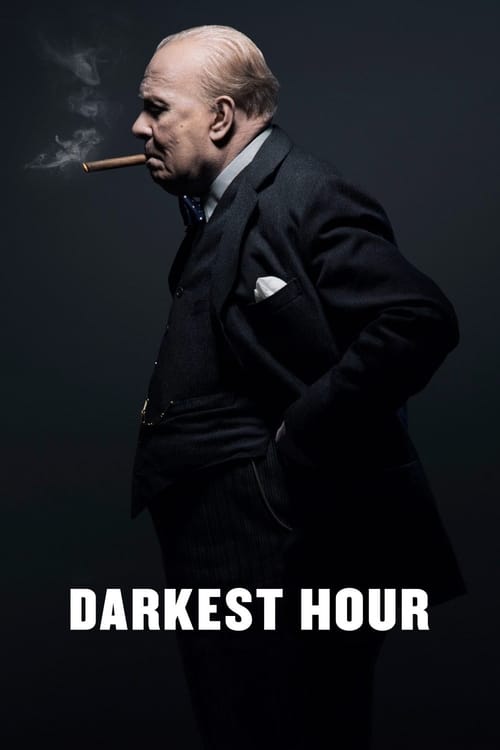
In the ending of "Darkest Hour," Winston Churchill delivers a powerful speech to the House of Commons, rallying the British people to continue fighting against Nazi Germany. He emphasizes the importance of perseverance and courage in the face of adversity. The film concludes with Churchill's determination to lead Britain through its darkest hour, as he prepares to face the challenges ahead.
As the film approaches its climax, we find Winston Churchill, played by Gary Oldman, grappling with the weight of leadership during a time of immense crisis. The scene opens in the House of Commons, where Churchill stands before his fellow politicians, the atmosphere thick with tension and uncertainty. The British Expeditionary Force is trapped at Dunkirk, and the threat of Nazi Germany looms larger than ever.
Churchill, having faced opposition from members of his own party, including Lord Halifax and Neville Chamberlain, is resolute in his belief that Britain must not negotiate with Hitler. He understands that the fate of the nation rests on his shoulders, and he is determined to inspire hope in the face of despair. As he prepares to deliver his speech, the camera captures the anxious faces of the MPs, reflecting their doubts and fears.
In a pivotal moment, Churchill steps up to the podium, his voice steady yet filled with emotion. He speaks passionately about the need for courage and resilience, urging the British people to fight on, no matter the cost. His words resonate deeply, and the camera pans across the room, capturing the shift in mood as the MPs begin to rally behind him. The power of his rhetoric ignites a sense of unity and determination among them.
Following the speech, we see Churchill in a private moment, reflecting on the gravity of his role. He is aware that the path ahead is fraught with danger, but he is resolute in his commitment to lead. The film then transitions to the streets of London, where ordinary citizens are inspired by Churchill's words. The scene is filled with a sense of hope and determination, as people come together to support the war effort.
As the film draws to a close, we witness the successful evacuation of British troops from Dunkirk, a testament to the resilience of the British spirit. Churchill's leadership has galvanized the nation, and the final scenes depict him standing resolutely, ready to face whatever challenges lie ahead. The camera lingers on his face, capturing the weight of his responsibilities but also the flicker of hope that he has instilled in the hearts of his people.
In the end, Churchill emerges as a symbol of strength and perseverance. His wife, Clemmie, stands by his side, supportive yet aware of the toll that leadership takes on him. The film concludes with a sense of determination, as Churchill prepares to navigate the tumultuous waters of war, embodying the spirit of a nation united against tyranny. The fate of the main characters is intertwined with the larger narrative of resilience, as they all commit to the fight for freedom and democracy.
Is there a post-credit scene?
The movie "Darkest Hour," produced in 2017, does not have a post-credit scene. The film concludes with a powerful depiction of Winston Churchill's resolve and leadership during a critical moment in World War II, focusing on his decision to stand firm against Nazi Germany. The ending emphasizes the gravity of his choices and the impact they had on the course of history, leaving the audience with a sense of closure regarding the narrative without any additional scenes after the credits.
What challenges does Winston Churchill face when he first becomes Prime Minister?
When Winston Churchill first becomes Prime Minister, he faces immense challenges, including a divided government, skepticism from his own party, and the looming threat of Nazi Germany. He is met with resistance from members of Parliament who favor negotiating peace with Hitler, particularly from figures like Lord Halifax. Churchill's determination to fight against the Nazis puts him at odds with those who believe that appeasement is the safer route.
How does Churchill's relationship with his wife, Clemmie, influence his decisions?
Churchill's relationship with his wife, Clemmie, is a source of emotional support and grounding for him. Throughout the film, Clemmie provides him with candid advice and encouragement, urging him to trust his instincts and remain steadfast in his convictions. Her unwavering belief in his leadership helps bolster his resolve during moments of doubt, particularly when he faces criticism and pressure from his peers.
What role does King George VI play in Churchill's leadership?
King George VI plays a crucial role in Churchill's leadership by providing a sense of stability and support. Initially hesitant, the King grows to respect Churchill's determination and resolve. Their meetings reveal the King's desire for strong leadership during a time of crisis, and he ultimately becomes an ally, encouraging Churchill to pursue a path of defiance against the Nazis.
How does Churchill's decision to address the public impact the morale of the British people?
Churchill's decision to address the public through radio broadcasts significantly impacts the morale of the British people. His speeches are filled with defiance and determination, rallying the nation to stand firm against the threat of invasion. The emotional weight of his words resonates deeply, instilling a sense of hope and unity among the citizens, who feel empowered to resist despite the dire circumstances.
What is the significance of the Dunkirk evacuation in the film?
The Dunkirk evacuation is a pivotal moment in the film, symbolizing both desperation and resilience. As British and Allied forces are trapped on the beaches of Dunkirk, Churchill's leadership is tested. He must make the difficult decision to prioritize the evacuation of troops, showcasing his commitment to saving lives even in the face of overwhelming odds. The successful evacuation becomes a turning point, instilling a sense of hope and determination in the British public.
Is this family friendly?
"Darkest Hour," produced in 2017, is a historical drama centered around Winston Churchill's early days as Prime Minister during World War II. While the film is not explicitly violent or graphic, it does contain themes and scenes that may be challenging for children or sensitive viewers.
-
War Context: The film deals with the backdrop of World War II, which includes discussions of war, conflict, and the threat of Nazi Germany. This may be distressing for younger audiences.
-
Tension and Anxiety: There are scenes that depict the high stakes of political decisions during wartime, which can create a sense of tension and anxiety. Characters express fear and uncertainty about the future.
-
Political Conflict: The film portrays intense political debates and disagreements, which may be difficult for younger viewers to fully understand or appreciate.
-
Emotional Struggles: Winston Churchill's character experiences significant emotional turmoil, including moments of doubt and despair, which may resonate deeply and evoke strong feelings.
-
Mature Themes: The film touches on themes of leadership, sacrifice, and moral dilemmas, which may be complex for younger audiences to grasp.
Overall, while "Darkest Hour" is not overtly inappropriate, its themes and emotional weight may not be suitable for all children or sensitive viewers.