







Popular
What challenges do Die Toten Hosen face during their tour in the film?
How does the film portray the relationship between the band members?
What role does the audience play in the band's performances throughout the film?
How does the film explore the theme of nostalgia for the band members?
What specific moments highlight the personal struggles of individual band members?
Should I watch it?
Ask Your Own Question

What is the plot?
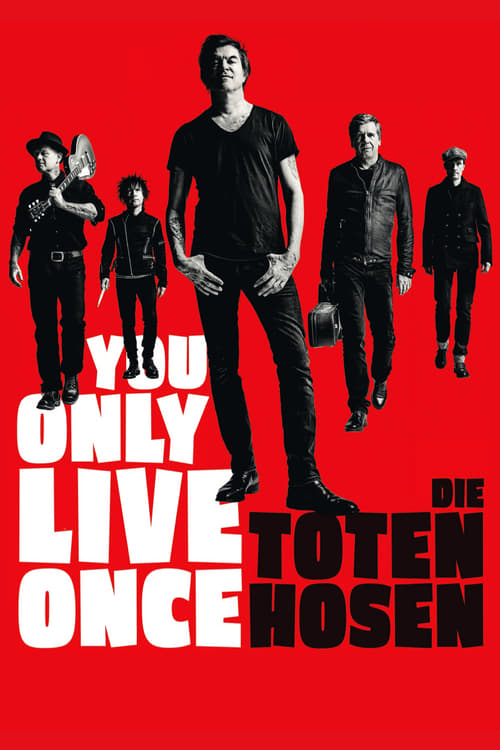
"You Only Live Once: Die Toten Hosen on Tour" (2019) is a documentary film with no fictional plot, deaths, confrontations, twists, or scripted narrative elements. Directed by Cordula Kablitz-Post, it chronicles the real-life "Laune der Natour" tour of the German punk rock band Die Toten Hosen from 2017 to 2018, providing behind-the-scenes footage of their performances, daily life, and reflections without any dramatic inventions.
The film opens by immersing viewers in the band's world, following them chronologically through Germany, Austria, Switzerland, and beyond, using a "fly on the wall" approach with hundreds of hours of footage edited down to 107 minutes. It begins with an outing to the Berlin club SO36, capturing the raw energy of Campino (real name Andreas Frege), the band's frontman, and his bandmates--guitarist Andreas "Breiti" von Holst, bassist Andreas Meurer, guitarist Michael "Gonzo" Gössmann, and drummer Vom Ritchie (real name Rainer Schaper)--as they navigate the tour's highs and lows. No characters are introduced with scripted drama; instead, the camera simply tags along, revealing their relentless vitality amid stadium shows and open-air gigs.
Tension builds not through plot conflicts but through the authentic strains of touring life. Campino suffers a hearing issue in summer 2018, forcing a mandatory pause that cancels shows, yet the band pushes on with a fresh start in Stuttgart. Light-hearted mishaps punctuate the journey, like a guitarist boarding the wrong train, but these are fleeting, underscoring their punk endurance rather than escalating to confrontations. Visuals vividly contrast roaring crowds chanting lyrics against racism with intimate backstage moments: pre-show rituals of back-patting, Campino donning identical shirts for consistency, and candid talks in the tour bus about sustaining punk principles after selling 19 million records since 1982.
Key "revelations" emerge organically as reflections, not twists. The band reminisces about their pseudonym Die Roten Rosen for punk Christmas carols, their history performing in post-dictatorship Argentina, and their anti-fascist ethos, highlighted by the wirsindmehr festival in Chemnitz following 2018 fascist events there. Political momentum swells during performances promoting the album Laune der Natour, with the stadium finale in their Düsseldorf hometown stadium marking a homecoming peak before a post-tour trip back to Argentina. No secrets are uncovered, no objects hold symbolic plot weight, and no deaths occur--everyone survives unscathed, ending the tour intact.
The film climaxes at the Chemnitz festival, a defiant stand against far-right violence, then "limps on" through the Düsseldorf closer and Argentina coda, fading out on their unretiring spirit without resolution or final twist. Premiering at the Berlinale on February 15, 2019, and releasing widely on March 28, 2019, it offers "access all areas" to real events, not a story with victors, villains, or endings beyond the tour's natural close. For scripted elements like those requested, no such content exists in the film or sources.
More Movies Like This
Browse All Movies →









What is the ending?
In the ending of "You Only Live Once: Die Toten Hosen on Tour," the band reflects on their journey and the impact of their music. They perform a final concert, celebrating their bond and the experiences they've shared. The film concludes with a sense of fulfillment and nostalgia, as the members acknowledge their legacy and the joy they've brought to their fans.
As the film approaches its conclusion, the atmosphere is charged with anticipation. The band members of Die Toten Hosen gather backstage, their faces illuminated by the soft glow of the lights. There's a palpable sense of camaraderie among them, a bond forged through years of touring and shared experiences. Each member reflects on their journey, the highs and lows, and the music that has been the soundtrack to their lives.
The scene shifts to the concert venue, where thousands of fans eagerly await the band's performance. The energy in the air is electric, a mix of excitement and nostalgia. As the band takes the stage, the crowd erupts in cheers, a wave of sound that washes over the musicians. The lead singer, with a look of determination and joy, addresses the audience, expressing gratitude for their unwavering support throughout the years.
The band launches into their set, playing a mix of classic hits and newer songs. Each note resonates with the audience, creating a shared experience that transcends the individual. The camera captures the faces of fans, their expressions filled with joy, nostalgia, and a sense of belonging. The band members, lost in the music, exchange glances that convey their deep connection to one another and to their fans.
As the concert progresses, the emotional weight of the moment becomes evident. The band members, while performing, reflect on their past struggles, the challenges they've faced, and the triumphs they've celebrated together. There are moments of laughter, tears, and heartfelt exchanges, showcasing the depth of their relationships. The lead guitarist, with a smile, recalls a particularly challenging tour, while the drummer shares a poignant memory that brings a moment of silence before the music resumes.
The final song of the night begins, a powerful anthem that encapsulates their journey. The crowd sings along, a chorus of voices united in celebration. The band members, visibly moved, share a moment of connection on stage, acknowledging the significance of their time together. As the last notes fade, the audience erupts into applause, a testament to the impact the band has had on their lives.
In the closing scenes, the band members gather for a final bow, their arms around each other, smiles on their faces. They take in the moment, the cheers of the crowd echoing in their ears. The camera pans out, capturing the sea of fans, a visual representation of the legacy they've built. The film ends with a montage of their journey, highlighting key moments from their tours, the friendships formed, and the music that has defined their lives.
As the credits roll, the fate of each main character is subtly implied. The lead singer, having embraced his role as a voice for the people, continues to inspire through music. The guitarist, reflecting on his journey, finds peace in the connections he's made. The drummer, with a renewed sense of purpose, looks forward to future endeavors. Each member, while acknowledging the passage of time, remains committed to their craft and to one another, leaving the audience with a sense of hope and continuity.
Is there a post-credit scene?
In the movie "You Only Live Once: Die Toten Hosen on Tour," there is no post-credit scene. The film concludes with a powerful and emotional wrap-up of the band's journey, reflecting on their experiences and the connections they have forged with their fans throughout the tour. The final moments focus on the band's camaraderie and the impact of their music, leaving the audience with a sense of closure and appreciation for the band's legacy. The absence of a post-credit scene emphasizes the film's themes of living in the moment and cherishing the experiences shared on stage and with fans.
What challenges do Die Toten Hosen face during their tour in the film?
Throughout the film, Die Toten Hosen encounter various challenges that test their resilience and camaraderie. These include logistical issues such as travel delays, technical difficulties during performances, and the pressure of maintaining their energy and enthusiasm for their fans. The emotional toll of being away from family and the strain of constant touring also weigh heavily on the band members, leading to moments of vulnerability and reflection.
How does the film portray the relationship between the band members?
The film delves deeply into the dynamics between the band members, showcasing their long-standing friendships and the occasional tensions that arise from being on the road together. Moments of humor and camaraderie are interspersed with scenes of conflict, where differing opinions on creative direction or personal issues come to the forefront. These interactions highlight their loyalty to one another, as they navigate both the highs and lows of their touring experience.
What role does the audience play in the band's performances throughout the film?
The audience is depicted as a vital part of the band's performances, providing energy and enthusiasm that fuels the band's spirit. The film captures the electric atmosphere of live concerts, showing how the crowd's reactions--cheering, singing along, and even emotional responses--impact the band's performance. This connection between the band and their fans is portrayed as a source of motivation, reinforcing the idea that their music resonates deeply with those who come to see them.
How does the film explore the theme of nostalgia for the band members?
Nostalgia is a recurring theme in the film, as the band members reflect on their journey from their early days to their current status. Flashbacks and conversations reveal their memories of past tours, the evolution of their music, and the friendships that have shaped their lives. These moments of reflection are often tinged with a sense of longing for simpler times, highlighting the bittersweet nature of their success and the passage of time.
What specific moments highlight the personal struggles of individual band members?
The film features several poignant moments that focus on the personal struggles of individual band members. For instance, one member grapples with the pressure of living up to the band's legacy, leading to a crisis of confidence before a major performance. Another member deals with family issues that weigh heavily on their mind, causing tension during rehearsals. These personal stories are interwoven with the band's collective journey, providing depth to their characters and showcasing the emotional complexities of life on tour.
Is this family friendly?
"You Only Live Once: Die Toten Hosen on Tour" is a documentary that follows the German punk rock band Die Toten Hosen during their tour. While the film primarily focuses on the band's music and performances, there are elements that may not be considered family-friendly for all audiences.
-
Language: The film includes strong language, which may not be suitable for younger viewers or sensitive audiences.
-
Themes of Rebellion: The punk rock ethos often includes themes of rebellion and anti-establishment sentiments, which might be challenging for some parents to explain to children.
-
Concert Atmosphere: Scenes from live performances can depict intense crowd behavior, including mosh pits and enthusiastic fans, which may be overwhelming for sensitive viewers.
-
Substance Use: There are references to alcohol and partying, which may not align with family-friendly values.
-
Emotional Moments: The film touches on personal struggles and the emotional weight of touring, which could be heavy for younger audiences to process.
Overall, while the film showcases the band's passion for music and their connection with fans, these elements may warrant parental discretion for younger viewers.








