






Popular
How does the relationship between the protagonist and their mentor evolve throughout the series?
What role do the supporting characters play in the protagonist's development?
What is the significance of the color black in the protagonist's journey?
How does the setting influence the protagonist's emotional state throughout the series?
What pivotal moment leads to the protagonist's realization of their true self?
Should I watch it?
Ask Your Own Question

What is the plot?
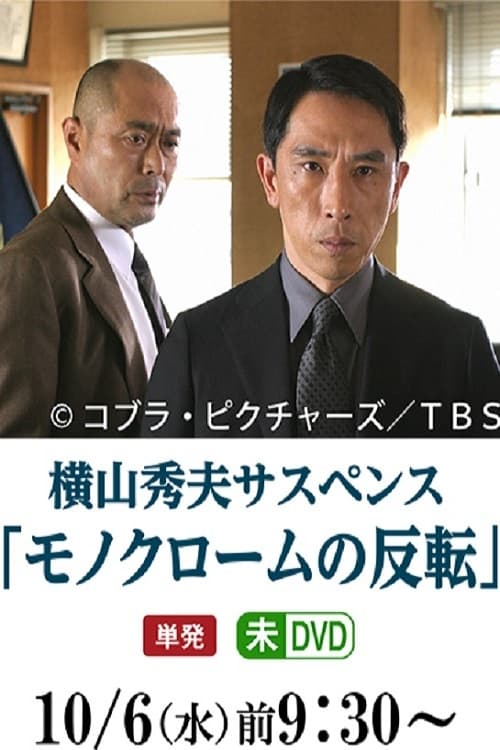
In the world of "Monochrome no Hanten," the story begins with the protagonist, a young girl named Kuro, who lives in a colorless world where emotions and creativity are suppressed. Kuro is an artist at heart, but she struggles to express herself in a society that values conformity over individuality. The opening scene shows her in a dull classroom, surrounded by classmates who are equally uninspired. Kuro's internal conflict is palpable as she longs for color and freedom but feels trapped by societal expectations.
One day, while wandering through a desolate part of the city, Kuro discovers an old, abandoned art studio. Inside, she finds remnants of vibrant paintings and art supplies. This discovery ignites a spark within her, and she begins to secretly paint in the studio, pouring her emotions onto the canvas. As she paints, the colors come to life, and she experiences a rush of joy and liberation. This newfound passion becomes her escape from the monochrome world outside.
As Kuro continues to paint, she meets a mysterious boy named Shiro, who has a unique ability to see colors in a world devoid of them. Shiro reveals that he is on a quest to restore color to the world and invites Kuro to join him. Intrigued and inspired, Kuro agrees, feeling a sense of purpose for the first time. Together, they embark on a journey to find the "Color Crystals," magical artifacts that can bring color back to their world.
Their first destination is a hidden forest rumored to house the first Color Crystal. As they navigate through the forest, they encounter various challenges, including treacherous terrain and creatures that embody the dullness of their world. Kuro's determination grows as she faces these obstacles, fueled by her desire to create and express herself. Shiro supports her, and their bond deepens as they share their dreams and fears.
Upon reaching the heart of the forest, they find the first Color Crystal guarded by a creature that represents the suppression of creativity. A confrontation ensues, where Kuro must confront her own fears and insecurities. She channels her emotions into her art, creating a vivid painting that distracts the creature long enough for Shiro to retrieve the crystal. This victory fills Kuro with a sense of empowerment, and they leave the forest with the first crystal in hand.
As they continue their journey, Kuro and Shiro face increasing opposition from the authorities of their monochrome society, who are determined to maintain control over the population. The duo is pursued by agents who seek to eliminate any threats to their regime. In a tense chase scene, Kuro and Shiro narrowly escape capture by using their wits and Kuro's artistic abilities to create illusions that confuse their pursuers.
Their next stop is a bustling city where they hope to find the second Color Crystal. Here, they meet a group of rebels who share their vision of a colorful world. The rebels are initially skeptical of Kuro and Shiro but are eventually won over by Kuro's passion and artistic talent. They join forces, and together they plan a daring heist to retrieve the second crystal from a heavily guarded museum.
The heist is meticulously planned, with Kuro using her artistic skills to create distractions and illusions. As they infiltrate the museum, tension mounts, and the stakes are high. Kuro's heart races as she navigates through security systems, and she feels a mix of fear and exhilaration. The group successfully retrieves the second crystal, but not without triggering alarms that lead to a chaotic escape. They manage to flee, but not without sustaining injuries and losing some members of their team.
With two crystals in their possession, Kuro and Shiro grow more determined to confront the oppressive regime. They learn of a third crystal hidden in a remote mountain range, but the journey is fraught with danger. As they travel, Kuro grapples with her growing feelings for Shiro, feeling both excited and fearful of the implications. Their relationship deepens, and they share a moment of vulnerability, revealing their hopes and dreams for a colorful future.
Upon reaching the mountain, they face their toughest challenge yet. The third crystal is guarded by a powerful entity that embodies the essence of despair. A fierce battle ensues, with Kuro and Shiro fighting side by side. Kuro channels her emotions into her art, creating a stunning mural that momentarily distracts the entity. In a climactic moment, Shiro sacrifices himself to protect Kuro, allowing her to seize the crystal. Heartbroken but resolute, Kuro vows to honor Shiro's sacrifice by continuing their mission.
With all three Color Crystals in hand, Kuro returns to the city, now a leader among the rebels. She uses her artistic talents to inspire others, creating a massive mural that symbolizes hope and creativity. The mural becomes a rallying point for the oppressed citizens, igniting a movement for change. As the regime crumbles under the weight of the people's desire for color and freedom, Kuro feels a sense of fulfillment and purpose.
In the final scenes, Kuro stands before the mural, now vibrant and alive with color. She reflects on her journey, the friends she has lost, and the love she has found. The world around her begins to transform, as colors seep into the streets and the sky. Kuro smiles, knowing that she has not only restored color to the world but has also discovered her true self. The series concludes with a breathtaking panorama of the newly colorful world, symbolizing the triumph of creativity and individuality over oppression.
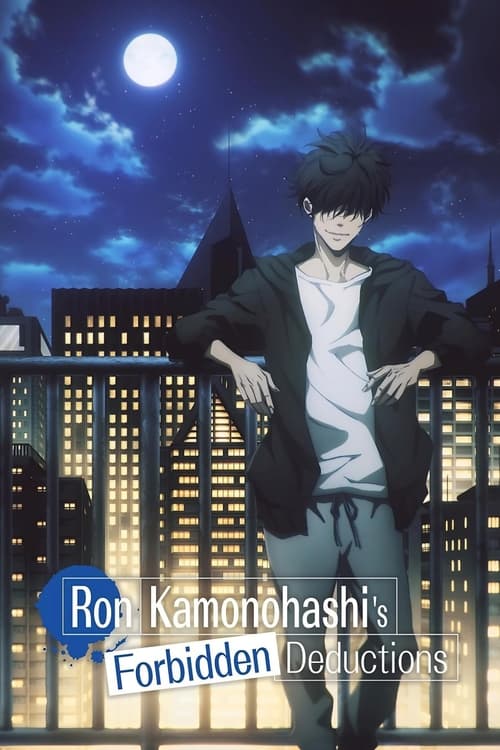



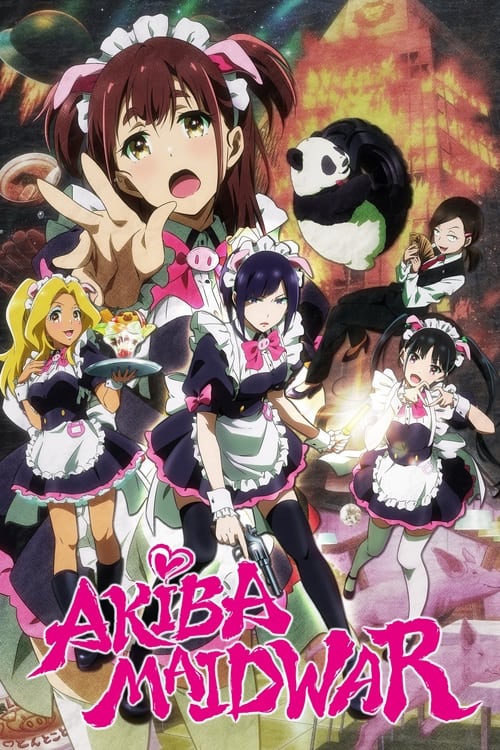
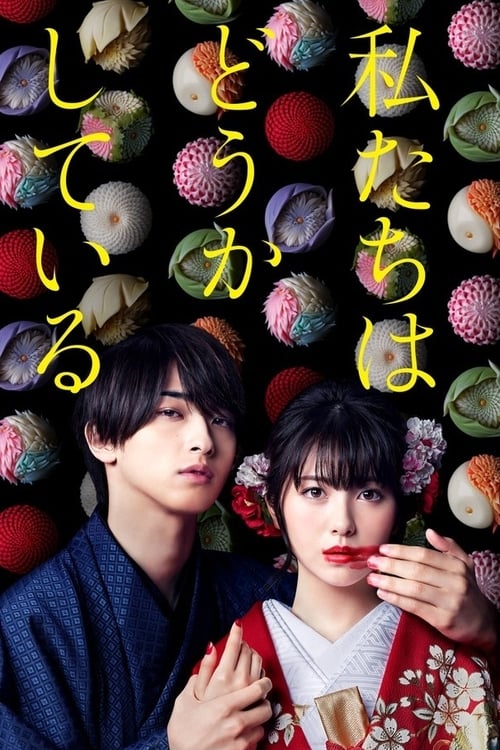
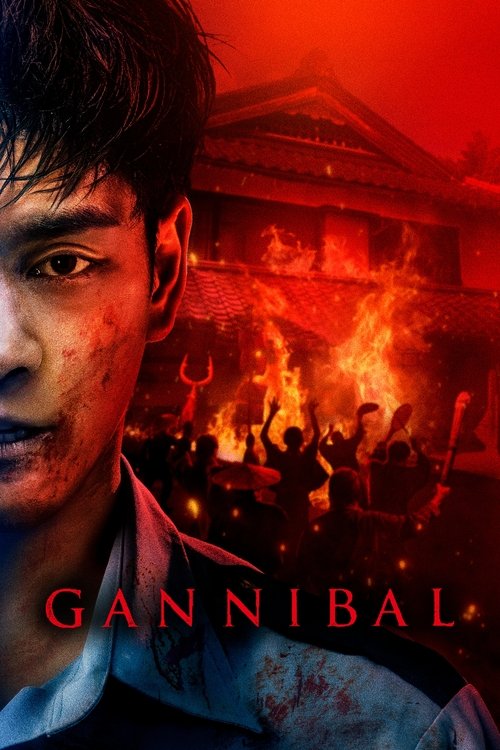
What is the ending?
In the ending of "Monochrome no Hanten," the main characters confront their inner struggles and the realities of their relationships. The story culminates in a series of emotional revelations and reconciliations, leading to a bittersweet resolution for each character.
As the final episodes unfold, the protagonist, a young artist named Kuro, faces the consequences of his choices and the impact of his art on those around him. He ultimately decides to embrace his true self and the colors of his emotions, leading to a transformative moment in his artistic journey. His love interest, Shiro, comes to terms with her own feelings and the importance of supporting Kuro, even if it means stepping back from her own aspirations. The supporting characters, including their friends and mentors, also find closure in their arcs, each learning to accept their flaws and the complexities of their relationships.
As the final act of "Monochrome no Hanten" begins, the scene opens in Kuro's dimly lit studio, where the walls are adorned with his monochrome paintings. The atmosphere is heavy with tension as Kuro stares at a blank canvas, grappling with the weight of his artistic block. The silence is palpable, broken only by the sound of his brush tapping against the palette. Kuro's internal struggle is evident; he feels trapped in a world devoid of color, mirroring his emotional state.
In the next scene, Shiro enters the studio, her presence a stark contrast to the monochrome surroundings. She is vibrant and full of life, yet her expression reveals her own turmoil. Shiro approaches Kuro, attempting to encourage him to express his feelings through his art. Their conversation is charged with unspoken emotions, as Kuro hesitates to reveal the depth of his struggles. Shiro's determination to help him is palpable, but she also feels the weight of her own dreams slipping away.
The narrative shifts to a gathering of their friends, who have come to support Kuro's upcoming exhibition. The atmosphere is filled with anticipation, but Kuro's anxiety looms large. As the night progresses, the friends share their own stories of doubt and aspiration, creating a tapestry of shared experiences. Kuro listens intently, realizing that he is not alone in his struggles. This moment serves as a catalyst for his eventual decision to confront his fears.
In a pivotal scene, Kuro stands before the canvas once more, the weight of his friends' encouragement echoing in his mind. He picks up his brush, and with each stroke, he begins to infuse color into his work, symbolizing his acceptance of his emotions and the complexities of his relationships. The colors burst forth, transforming the once monochrome space into a vibrant explosion of creativity. This moment is not just a breakthrough for Kuro as an artist, but also a metaphor for his personal growth.
As the exhibition opens, the gallery is filled with people admiring Kuro's work. Shiro stands by his side, her eyes shining with pride and admiration. The emotional tension between them is palpable, and Kuro finally confesses his feelings, acknowledging the importance of Shiro in his life. She responds with warmth, expressing her own love and support, even as she grapples with her own aspirations.
The final scenes depict each character finding their own path. Kuro, now more confident, embraces his identity as an artist, ready to explore the world of color and emotion. Shiro, having supported Kuro, decides to pursue her own dreams, realizing that her happiness is intertwined with Kuro's success. Their friends, too, find resolution in their own journeys, each character stepping into a new chapter of their lives.
As the credits roll, the audience is left with a sense of hope and renewal. The characters have faced their fears, embraced their true selves, and learned the importance of connection and support. The ending of "Monochrome no Hanten" encapsulates the journey of self-discovery and the beauty of relationships, leaving a lasting impression of growth and resilience.
Is there a post-credit scene?
In "Monochrome no Hanten," there is indeed a post-credit scene that adds an intriguing layer to the narrative.
As the credits roll, the screen fades to black before transitioning to a serene, monochrome landscape. The scene opens with a close-up of a single cherry blossom petal drifting through the air, its delicate form contrasting against the muted background. The camera follows the petal as it lands softly on a weathered stone, hinting at the passage of time and the beauty found in fleeting moments.
The focus shifts to a distant figure standing beneath a cherry blossom tree, their silhouette framed by the soft, ethereal light. As the camera zooms in, it reveals the character of Aoi, who has been a central figure throughout the series. Aoi stands in contemplative silence, her expression a mix of nostalgia and hope. The wind rustles the branches above, causing a gentle shower of petals to fall around her, creating a dreamlike atmosphere.
In this moment, Aoi reflects on her journey, the struggles she faced, and the relationships she forged. Her internal monologue reveals her desire to embrace the future while cherishing the memories of the past. The scene captures her emotional state--an amalgamation of sadness for what has been lost and excitement for what lies ahead.
As the camera pulls back, the landscape expands, revealing more cherry blossom trees in full bloom, symbolizing renewal and the cyclical nature of life. The scene concludes with Aoi taking a deep breath, a small smile forming on her lips as she steps forward, ready to embrace whatever comes next.
This post-credit scene serves as a poignant reminder of the themes of growth and transformation that permeate "Monochrome no Hanten," leaving viewers with a sense of closure while also hinting at new beginnings.
How does the relationship between the protagonist and their mentor evolve throughout the series?
The relationship between the protagonist and their mentor is central to the narrative. Initially, the mentor serves as a guiding figure, helping the protagonist navigate their emotional turmoil. However, as the protagonist gains confidence and begins to assert their individuality, the dynamic shifts. The mentor becomes more of a supportive ally, encouraging the protagonist to embrace their unique perspective, which leads to moments of tension and eventual mutual respect.
What role do the supporting characters play in the protagonist's development?
Supporting characters in 'Monochrome no Hanten' serve as mirrors and contrasts to the protagonist's journey. Each character represents different facets of society's expectations and personal struggles. For instance, a close friend embodies the pressure to conform, while another character challenges the protagonist to break free from these constraints. Their interactions catalyze the protagonist's growth, pushing them to confront their fears and ultimately embrace their true self.
What is the significance of the color black in the protagonist's journey?
In 'Monochrome no Hanten', the color black symbolizes the protagonist's struggles with identity and self-acceptance. As the story unfolds, the protagonist, who initially feels trapped in a monochrome world, begins to associate black with both despair and the potential for change. This duality reflects their internal conflict and desire for freedom from societal expectations.
How does the setting influence the protagonist's emotional state throughout the series?
The setting in 'Monochrome no Hanten' is a stark, colorless world that reflects the protagonist's initial emotional state of confusion and isolation. As the protagonist begins to explore their identity, the environment gradually shifts, introducing splashes of color that symbolize hope and transformation. This change in setting parallels the protagonist's internal journey, highlighting the connection between their emotional growth and the world around them.
What pivotal moment leads to the protagonist's realization of their true self?
A pivotal moment occurs when the protagonist faces a significant challenge that forces them to confront their deepest fears. During a climactic scene, they are presented with a choice that tests their values and beliefs. This moment of crisis leads to an emotional breakthrough, where the protagonist finally acknowledges their desires and aspirations, marking a turning point in their journey towards self-acceptance and authenticity.
Is this family friendly?
"Monochrome no Hanten," produced in 2020, is generally considered suitable for a family audience, but it does contain some elements that may be sensitive for children or those who are particularly sensitive. Here are a few aspects to be aware of:
-
Emotional Struggles: The characters experience significant emotional turmoil, including themes of loneliness, depression, and existential crises. These moments can be intense and may resonate deeply with viewers.
-
Conflict and Tension: There are scenes of interpersonal conflict that may be distressing, including arguments and misunderstandings between characters. The emotional stakes can be high, leading to moments of distress.
-
Visual Style: The show employs a unique visual aesthetic that may be unsettling for some viewers, particularly during scenes that depict darker emotional states or abstract representations of feelings.
-
Themes of Identity: The exploration of identity and self-perception can be complex and may raise questions that could be challenging for younger viewers to fully grasp.
-
Mature Themes: While not graphic, the show touches on themes of loss and the impact of societal expectations, which may be heavy for younger audiences.
Overall, while "Monochrome no Hanten" is not overtly inappropriate, its emotional depth and thematic complexity may require parental guidance for younger viewers.







