












Popular
What comedic situations arise from Shakespeare's interactions with Queen Elizabeth in the specials?
How does Shakespeare's relationship with his family evolve in the specials?
What role does the character of Robert Greene play in the specials?
How does the character of Burbage contribute to the plot in the specials?
What specific challenges does Shakespeare face in writing his plays during the specials?
Should I watch it?
Ask Your Own Question

What is the plot?
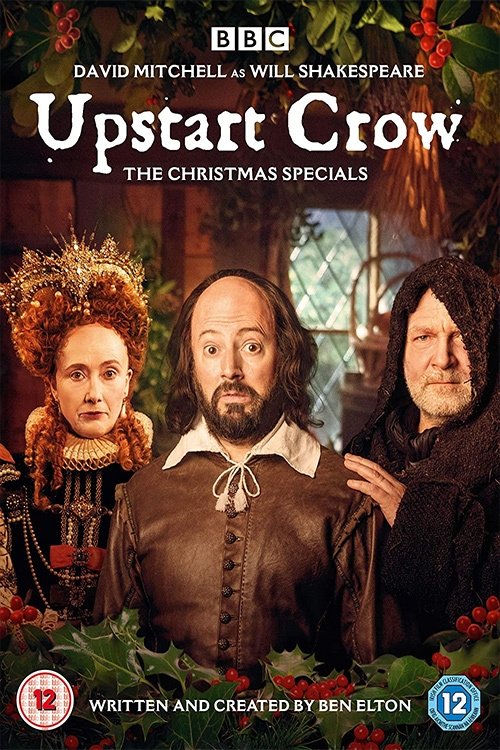
In the special episode of "Upstart Crow," the story begins with William Shakespeare, portrayed by David Mitchell, grappling with the pressures of his burgeoning career as a playwright. He is in the midst of writing a new play, but he is struggling with writer's block. The scene is set in his cluttered writing room, filled with parchment, quills, and ink pots, where he paces back and forth, visibly frustrated. His wife, Anne Hathaway, played by Liza Tarbuck, enters and tries to encourage him, but he is preoccupied with his thoughts and dismisses her attempts at comfort.
As the scene shifts, we see Shakespeare's friends and fellow actors, including the boisterous Burbage and the witty Bottom, discussing the latest gossip in the theatre world. They are excited about the upcoming performance of one of Shakespeare's plays, but they also express concern about the competition from other playwrights. This conversation highlights the rivalry and camaraderie among the theatre community, setting the stage for the challenges Shakespeare will face.
Next, Shakespeare receives a visit from the Lord Chamberlain, who informs him that the Queen is interested in attending one of his plays. This news fills Shakespeare with both excitement and dread, as he realizes the pressure to impress the royal audience. The Lord Chamberlain emphasizes the importance of the occasion, and Shakespeare's internal conflict deepens as he grapples with the expectations placed upon him.
In a comedic turn, Shakespeare's friends suggest that he should write a play specifically for the Queen, leading to a series of humorous brainstorming sessions. They throw out increasingly ridiculous ideas, showcasing their personalities and the absurdity of the theatrical world. Shakespeare, however, remains fixated on creating something truly remarkable, and he becomes increasingly anxious about his ability to deliver.
As the deadline for the play approaches, Shakespeare's writer's block intensifies. He tries various methods to inspire himself, including seeking advice from his fellow playwrights and even consulting a soothsayer for guidance. Each attempt leads to humorous misadventures, including a disastrous encounter with a fortune teller who provides vague and confusing predictions.
In a pivotal moment, Shakespeare has a heart-to-heart conversation with Anne, who reminds him of his passion for storytelling and the joy it brings to others. This conversation reignites his creative spark, and he begins to jot down ideas furiously. The scene is filled with a sense of urgency and determination as he finally starts to craft the narrative for his new play.
As the performance date draws near, Shakespeare faces a series of setbacks, including a mishap with the costumes and a last-minute change in the cast. Tensions rise as he struggles to maintain control over the production. The rehearsal scenes are chaotic, filled with comedic misunderstandings and the actors' antics, which further highlight the challenges of putting on a successful play.
On the night of the performance, the theatre is packed with an eager audience, including the Queen herself. Shakespeare is backstage, pacing nervously as he prepares for the show to begin. The atmosphere is electric, and the stakes are high. As the curtain rises, he watches from the wings, filled with a mix of pride and anxiety.
The play unfolds on stage, showcasing Shakespeare's wit and creativity. The audience reacts with laughter and applause, and the energy in the theatre is palpable. Shakespeare's fears begin to dissipate as he sees the audience's enjoyment, and he allows himself to feel a sense of accomplishment.
However, just as the play reaches its climax, a sudden mishap occurs when one of the actors forgets their lines, leading to a moment of panic on stage. Shakespeare's heart races as he watches the chaos unfold, but he quickly realizes that this could be an opportunity to improvise. He shouts lines from the wings, guiding the actors back on track, and the audience is none the wiser.
In the final moments of the performance, the actors deliver a rousing conclusion, and the audience erupts in applause. Shakespeare steps out from backstage, overwhelmed with relief and joy. The Queen stands to applaud, and he feels a wave of validation wash over him. The camaraderie among the cast and crew is palpable as they celebrate their success together.
The special concludes with Shakespeare reflecting on the experience, realizing that despite the challenges, the joy of storytelling and the connection with the audience are what truly matter. He shares a heartfelt moment with Anne, reaffirming their bond and his commitment to his craft. The screen fades to black, leaving viewers with a sense of triumph and the enduring spirit of creativity.







What is the ending?
In the ending of "Upstart Crow," season 0 titled "Specials," Shakespeare faces the challenges of his career and personal life, culminating in a moment of reflection and realization about his relationships and ambitions. The episode concludes with a sense of hope and determination for the future.
As the episode unfolds, we find Shakespeare grappling with the pressures of his writing and the expectations placed upon him. He is surrounded by his friends and family, who each have their own struggles and aspirations. The interactions between the characters reveal their individual motivations and desires, creating a rich tapestry of personal conflicts.
Scene by scene, the narrative begins with Shakespeare in his study, surrounded by crumpled papers and ink stains, symbolizing his creative struggles. He is frustrated, feeling the weight of his responsibilities as a playwright. His wife, Anne, enters, offering support but also expressing her own feelings of neglect. This moment highlights the tension between Shakespeare's ambition and his family life.
Next, we see a gathering of his friends, including the witty and loyal Burbage, who tries to lighten the mood with humor. However, the underlying tension remains as they discuss the state of the theater and the competition they face. Each character shares their fears and aspirations, revealing their vulnerabilities. Burbage's desire to succeed in the theater contrasts with Shakespeare's internal conflict about his legacy.
As the story progresses, Shakespeare receives news of a potential patron who could change his fortunes. This news ignites a spark of hope in him, but it also brings about a sense of urgency. He must decide whether to compromise his artistic integrity for success or stay true to his vision. This dilemma is central to his character arc, showcasing his internal struggle between ambition and authenticity.
In a pivotal scene, Shakespeare confronts his fears and insecurities during a heartfelt conversation with Anne. She encourages him to embrace his talent and not lose sight of what truly matters. This moment serves as a turning point for Shakespeare, as he begins to understand the importance of balancing his career with his personal relationships.
The climax of the episode occurs during a rehearsal for one of his plays, where tensions run high. The cast is anxious, and Shakespeare feels the pressure mounting. However, as he watches his friends and fellow actors come together, he realizes the power of collaboration and the joy of storytelling. This realization brings a sense of clarity and purpose to his character.
In the final scenes, Shakespeare stands before the audience, ready to present his work. The atmosphere is charged with anticipation, and he takes a moment to reflect on his journey. The support of his friends and family is palpable, and he feels a renewed sense of determination. The episode concludes with Shakespeare delivering a powerful line from his play, symbolizing his commitment to his craft and the people he loves.
As the credits roll, we see glimpses of each main character's fate. Anne is shown smiling, proud of her husband, while Burbage continues to pursue his dreams in the theater. The camaraderie among the characters is evident, suggesting that despite the challenges they face, they will continue to support one another in their endeavors. The ending leaves viewers with a sense of hope and the understanding that while the path of an artist is fraught with difficulties, the bonds of friendship and family can provide strength and inspiration.
Is there a post-credit scene?
In the 2017 special of "Upstart Crow," there is indeed a post-credit scene that adds a humorous twist to the episode. After the main credits roll, the scene opens with William Shakespeare, played by David Mitchell, in his study, surrounded by papers and quills. He appears to be deep in thought, contemplating his next play.
As he scribbles furiously, he suddenly pauses, looking up with a glint of inspiration in his eyes. He exclaims, "What if I wrote a play about a Scottish king?" This line is delivered with a mix of excitement and mischief, hinting at the future creation of "Macbeth."
The scene then cuts to a brief montage of Shakespeare's friends and family reacting to his idea with a mix of confusion and concern, showcasing their comedic disbelief at the thought of a play centered around such dark themes. The post-credit scene encapsulates the show's blend of historical context and humor, leaving the audience with a chuckle and a nod to Shakespeare's legacy.
What comedic situations arise from Shakespeare's interactions with Queen Elizabeth in the specials?
In the specials of Upstart Crow, Shakespeare's interactions with Queen Elizabeth are filled with comedic tension and misunderstandings. One notable scene involves Shakespeare attempting to impress the Queen with his latest play, only to find himself caught in a web of royal expectations and absurd demands. The Queen's playful yet authoritative demeanor leads to a series of humorous exchanges where Shakespeare must navigate her whims while trying to maintain his artistic integrity.
How does Shakespeare's relationship with his family evolve in the specials?
Throughout the specials, Shakespeare's relationship with his family, particularly with his wife Anne and his children, is explored in depth. There are moments of heartfelt connection, such as when Shakespeare struggles to balance his ambitions with his responsibilities at home. His internal conflict is palpable as he grapples with feelings of guilt for neglecting his family while pursuing his career, leading to emotional scenes where he seeks their understanding and support.
What role does the character of Robert Greene play in the specials?
Robert Greene serves as a foil to Shakespeare in the specials, often embodying the cynical and competitive nature of the theatrical world. His interactions with Shakespeare are laced with rivalry and sarcasm, providing a source of both conflict and humor. Greene's attempts to undermine Shakespeare's success lead to a series of comedic confrontations, showcasing the cutthroat nature of the Elizabethan theatre scene and highlighting Shakespeare's resilience.
How does the character of Burbage contribute to the plot in the specials?
Burbage, as Shakespeare's friend and fellow actor, plays a crucial role in the specials by providing both comic relief and practical support. His enthusiasm for the theatre contrasts with Shakespeare's more serious demeanor, leading to humorous exchanges that lighten the mood. Burbage's loyalty is tested as he navigates the challenges of the theatre business alongside Shakespeare, ultimately reinforcing the theme of friendship amidst the chaos of their artistic endeavors.
What specific challenges does Shakespeare face in writing his plays during the specials?
In the specials, Shakespeare faces a myriad of challenges in writing his plays, including writer's block, the pressure of public expectations, and the interference of patrons. One particularly vivid scene depicts him struggling to find inspiration while dealing with the chaotic demands of his actors and the looming deadlines imposed by the theatre. His frustration is palpable as he grapples with self-doubt, leading to moments of comedic desperation that highlight the trials of a playwright in Elizabethan England.
Is this family friendly?
"Upstart Crow," particularly in its 2017 special episodes, is generally family-friendly, but it does contain some elements that may be considered objectionable or upsetting for children or sensitive viewers. Here are a few aspects to be aware of:
-
Mature Themes: The show often explores themes of ambition, jealousy, and the struggles of artistic creation, which may be complex for younger viewers to fully grasp.
-
Innuendos and Wordplay: The dialogue is rich with puns and innuendos that may go over the heads of children but could be inappropriate for younger audiences.
-
Historical Context: Some references to historical events or figures may include darker aspects of life in the Elizabethan era, which could be unsettling for sensitive viewers.
-
Character Conflicts: There are moments of conflict and tension between characters that may be intense, showcasing jealousy and rivalry, which could be distressing for some.
-
Social Commentary: The show includes satirical commentary on societal norms and behaviors of the time, which might be confusing or uncomfortable for younger audiences.
Overall, while the humor and historical context are engaging, parents may want to preview the content to ensure it aligns with their comfort levels for younger viewers.