






































Popular
What substances do the main characters in Requiem for a Dream become addicted to?
How does Sara Goldfarb's obsession with television affect her character arc?
What is the significance of the 'dream' sequences in the film?
How does the relationship between Harry and Marion evolve throughout the film?
What role does Tyrone C. play in Harry's drug dealings and how does it affect their friendship?
Should I watch it?
Ask Your Own Question

What is the plot?
Sorry, we aren't able to watch and write up a full detailed plot yet. Check back in a few days.






What is the ending?
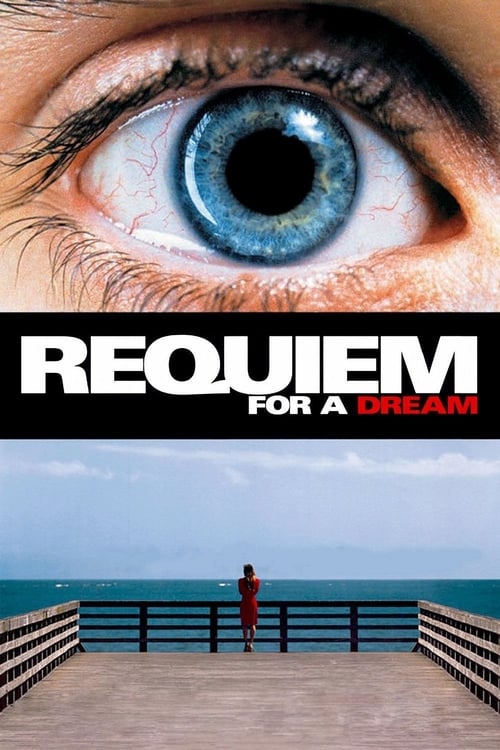
In the ending of "Requiem for a Dream," the lives of the four main characters--Harry, Marion, Tyrone, and Sara--spiral into despair due to their drug addictions. Harry and Tyrone are arrested, and Marion is left alone, resorting to desperate measures to obtain drugs. Sara, who has become increasingly delusional from her amphetamine use, is institutionalized. The film concludes with a haunting montage of their fates, emphasizing the devastating impact of addiction.
As the film approaches its climax, the narrative shifts into a darker, more chaotic realm, reflecting the characters' spiraling lives.
Scene 1: Harry and Tyrone's Arrest
Harry and Tyrone are in a dimly lit alley, their faces gaunt and weary from the relentless pursuit of heroin. They have just completed a drug deal, but their moment of triumph is short-lived. As they prepare to inject the heroin, police sirens pierce the night air. The two men exchange panicked glances, and in a frantic attempt to escape, they are apprehended by the police. The scene is tense, filled with the sounds of handcuffs clicking and the harsh lights of police cars illuminating their faces, now marked by desperation and defeat.
Scene 2: Marion's Desperation
Meanwhile, Marion is in her apartment, surrounded by remnants of her once-promising life. The walls are bare, and the atmosphere is thick with despair. She is alone, her dreams of becoming a fashion designer shattered. In a moment of desperation, she turns to a seedy underworld to obtain drugs. The camera captures her vulnerability as she meets with a man who offers her a way to get heroin in exchange for sexual favors. The emotional turmoil is palpable; her face reflects a mix of shame and longing, illustrating her descent into a world she never intended to enter.
Scene 3: Sara's Institutionalization
Simultaneously, Sara is at home, her mental state deteriorating rapidly due to her addiction to amphetamines. She is seen in her cluttered living room, obsessively preparing for a television appearance, convinced that she will be on screen. Her reality is warped; she is increasingly isolated, her mind slipping further into delusion. The scene shifts to a hospital where she is being evaluated. The stark, sterile environment contrasts sharply with her chaotic thoughts. Sara's eyes are wide with fear and confusion as she is told she must be institutionalized. The emotional weight of her situation is heavy, as she clings to the hope of being on television, unaware of the grim reality that awaits her.
Scene 4: The Montage of Despair
The film culminates in a haunting montage that intercuts the fates of the four characters. Harry and Tyrone are shown in a prison cell, their bodies slumped against the cold metal bars, the light dim and oppressive. Their dreams of a better life are extinguished, replaced by the stark reality of incarceration. Marion is depicted in a darkened room, her face illuminated only by the flickering light of a television, her spirit broken as she engages in degrading acts to feed her addiction.
Sara's fate is sealed as she is shown in a psychiatric facility, her eyes vacant and lost, a shell of the vibrant woman she once was. The camera lingers on her face, capturing the profound sadness of her situation. The montage crescendos with a powerful score, emphasizing the tragic consequences of their choices.
As the screen fades to black, the final images linger in the viewer's mind, a stark reminder of the destructive nature of addiction and the dreams that have turned into nightmares for each character. The film closes with a sense of hopelessness, leaving the audience to grapple with the emotional fallout of the characters' journeys.
Is there a post-credit scene?
There is no post-credit scene in the movie "Requiem for a Dream." The film concludes with a powerful and haunting final sequence that leaves a lasting impact on the viewer. After the intense and tragic culmination of the characters' stories, the credits roll without any additional scenes or content. The film's ending serves as a stark reflection on the consequences of addiction and the disintegration of dreams, encapsulating the emotional weight of the narrative.
What substances do the main characters in Requiem for a Dream become addicted to?
In Requiem for a Dream, the main characters struggle with various addictions: Harry Goldfarb and his friend Tyrone C. become addicted to heroin; Marion Silver, Harry's girlfriend, also becomes involved in heroin use; and Sara Goldfarb, Harry's mother, becomes addicted to amphetamines and later to sedatives as she tries to lose weight for a television appearance.
How does Sara Goldfarb's obsession with television affect her character arc?
Sara Goldfarb's obsession with television manifests in her desire to fit into a red dress for a potential appearance on a television show. This obsession drives her to extreme measures, including taking amphetamines to lose weight. As her addiction deepens, she becomes increasingly isolated and delusional, culminating in her being institutionalized, where she experiences horrifying visions and a complete breakdown.
What is the significance of the 'dream' sequences in the film?
The 'dream' sequences in Requiem for a Dream represent the characters' aspirations and the stark contrast between their dreams and harsh realities. Each character's dream is visually depicted through surreal and intense imagery, highlighting their desires for a better life, but ultimately these dreams spiral into nightmares as their addictions take over, leading to tragic consequences.
How does the relationship between Harry and Marion evolve throughout the film?
Harry and Marion's relationship begins with a passionate romance, but as they both descend into heroin addiction, their bond deteriorates. Marion becomes increasingly desperate and willing to compromise her values to support their drug habit, leading to a pivotal moment where she is forced to engage in degrading acts to obtain drugs, which ultimately strains their relationship to the breaking point.
What role does Tyrone C. play in Harry's drug dealings and how does it affect their friendship?
Tyrone C. is Harry's best friend and partner in drug dealing. Initially, they share a close bond and a common goal of making money through heroin sales. However, as their addiction deepens and they face increasing challenges, including a failed drug deal and Tyrone's arrest, their friendship becomes strained. Tyrone's desperation and Harry's selfishness lead to betrayal, culminating in a tragic fallout that highlights the destructive nature of their addiction.
Is this family friendly?
"Requiem for a Dream" is not considered family-friendly due to its intense and disturbing themes. Here are some potentially objectionable or upsetting aspects that may affect children or sensitive viewers:
-
Drug Use: The film graphically depicts various forms of drug addiction, including the use of heroin, amphetamines, and other substances. The portrayal of addiction is raw and unflinching.
-
Mental Health Issues: Characters experience severe psychological distress, including paranoia and delusions, particularly in the case of Sara, who becomes increasingly unstable.
-
Sexual Content: There are scenes that involve sexual situations, including a disturbing scene that portrays sexual exploitation and coercion.
-
Violence and Self-Harm: The film includes moments of violence and self-destructive behavior, which can be distressing to viewers.
-
Emotional Distress: The overall tone of the film is bleak and tragic, exploring themes of despair, loss, and the consequences of addiction, which may be upsetting for sensitive viewers.
-
Graphic Imagery: The film contains intense visual sequences that depict the physical and emotional toll of addiction, including scenes of withdrawal and the deterioration of the characters' lives.
Due to these elements, the film is best suited for mature audiences.








