



































Popular
What role does Cecil Gaines play in the White House, and how does his position evolve throughout the film?
How does Cecil's relationship with his son Louis change throughout the film?
What significant events does Cecil witness during his time as a butler, and how do they impact him personally?
What is the significance of the character Gloria Gaines in Cecil's life?
How does the film portray the different presidents Cecil serves, and what do these portrayals reveal about the political climate of their respective eras?
Should I watch it?
Ask Your Own Question

What is the plot?
Sorry, we aren't able to watch and write up a full detailed plot yet. Check back in a few days.






What is the ending?
In the ending of "The Butler," Cecil Gaines attends the inauguration of President Barack Obama, reflecting on his life and the changes in America. He reconciles with his son, Louis, who has been involved in civil rights activism. The film concludes with a sense of hope and progress, showcasing the evolution of the African American experience over the decades.
As the film approaches its conclusion, we find Cecil Gaines, portrayed by Forest Whitaker, in the later years of his life. The scene opens with Cecil, now an elderly man, preparing to attend the inauguration of Barack Obama, the first African American president of the United States. The atmosphere is filled with excitement and anticipation, a stark contrast to the struggles he faced throughout his life.
Cecil reflects on his journey, recalling the many presidents he served, from Eisenhower to George W. Bush. Each of these moments is interspersed with flashbacks that highlight the significant events in the civil rights movement, including the struggles and sacrifices made by his son, Louis, played by David Oyelowo. Louis, who had been deeply involved in activism, had a tumultuous relationship with his father, stemming from their differing views on how to achieve equality.
As the inauguration day unfolds, Cecil is joined by his wife, Gloria, played by Oprah Winfrey, who has been a steadfast support throughout his life. The couple shares a moment of pride and reflection, acknowledging the progress that has been made, yet also recognizing the challenges that still lie ahead. Gloria, who has faced her own battles with addiction and personal loss, stands by Cecil, embodying resilience and strength.
The scene shifts to the inauguration ceremony, where the crowd is electric with hope. As Obama takes the stage, Cecil's eyes well up with tears, a mixture of joy and sorrow as he thinks of the sacrifices made by those who fought for civil rights. The moment is poignant, symbolizing not just a personal victory for Cecil and his family, but a collective triumph for African Americans across the nation.
In a powerful moment of reconciliation, Louis arrives at the inauguration, and he and Cecil embrace. This moment signifies the healing of their relationship, as both men have come to understand each other's struggles and motivations. Louis expresses his pride in his father, acknowledging the important role Cecil played in his life and the lives of many others.
As the film draws to a close, we see a montage of images that reflect the ongoing journey of civil rights, interspersed with scenes of Cecil and his family celebrating the historic moment. The final shot captures Cecil and Gloria, hand in hand, watching the inauguration with a sense of hope for the future. The film ends on a note of optimism, emphasizing the progress made while acknowledging the work that still needs to be done.
In summary, the fates of the main characters are as follows: Cecil gains a sense of closure and pride in his legacy, having witnessed the fruits of his labor and the progress of his people. Louis finds reconciliation with his father, bridging the gap between their differing ideologies. Gloria stands as a pillar of strength, supporting Cecil and celebrating their family's journey. Together, they embody the resilience and hope that defines the African American experience, culminating in a moment of unity and celebration at the inauguration of Barack Obama.
Is there a post-credit scene?
The movie "The Butler," directed by Lee Daniels and released in 2013, does not have a post-credit scene. The film concludes with a powerful and emotional ending that encapsulates the journey of its main character, Cecil Gaines, and his experiences throughout the civil rights movement while serving as a butler in the White House. After the final credits roll, there are no additional scenes or content that follow. The film focuses on the historical context and personal struggles of Cecil and his family, leaving the audience with a poignant reflection on the themes of race, family, and perseverance.
What role does Cecil Gaines play in the White House, and how does his position evolve throughout the film?
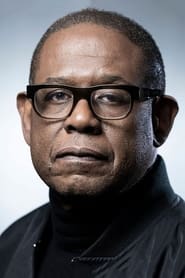
Cecil Gaines, portrayed by Forest Whitaker, serves as a butler in the White House, starting in the 1950s and continuing through several presidential administrations. Initially, he is a humble servant, focused on his job and providing for his family. As the years progress, he becomes more adept at navigating the complexities of the political landscape, gaining respect from the presidents he serves, including Eisenhower, Kennedy, Johnson, Nixon, and Reagan. His position evolves from a mere servant to a trusted confidant, reflecting the changing dynamics of race and power in America.
How does Cecil's relationship with his son Louis change throughout the film?
Cecil's relationship with his son Louis, played by David Oyelowo, is strained due to their differing views on civil rights and activism. While Cecil believes in a more subdued approach to change, focusing on his work in the White House, Louis is passionate about direct action and joins the Black Panther Party. This ideological rift leads to significant tension between them, especially when Louis is arrested during protests. However, as the film progresses, Cecil begins to understand Louis's perspective, and their relationship ultimately evolves into one of mutual respect and understanding.
What significant events does Cecil witness during his time as a butler, and how do they impact him personally?
Throughout his tenure as a butler, Cecil witnesses pivotal moments in American history, including the Civil Rights Movement, the assassination of Martin Luther King Jr., and the Watergate scandal. These events deeply affect him, as he grapples with the injustices faced by his community while serving in a position that symbolizes both privilege and subservience. The emotional weight of these experiences leads him to reflect on his own identity and the sacrifices he has made for his family, ultimately pushing him to confront his beliefs and the legacy he wishes to leave behind.
What is the significance of the character Gloria Gaines in Cecil's life?
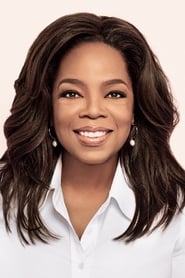
Gloria Gaines, played by Oprah Winfrey, is Cecil's wife and serves as a crucial emotional anchor in his life. Her character represents the struggles of African American women during the era, as she battles her own demons, including alcoholism. Gloria's relationship with Cecil is marked by love, but also by the strain of his dedication to work, which often leaves her feeling neglected. Her eventual breakdown and the impact of her struggles on their family highlight the personal costs of Cecil's commitment to his job, ultimately leading to a poignant reconciliation that underscores the importance of family.
How does the film portray the different presidents Cecil serves, and what do these portrayals reveal about the political climate of their respective eras?
The film presents a nuanced portrayal of the various presidents Cecil serves, each reflecting the political climate of their time. For instance, Eisenhower is depicted as somewhat progressive but hesitant to act on civil rights, while Kennedy is shown as more sympathetic to the movement. Johnson's administration is marked by significant legislative changes, but also personal conflicts with Cecil regarding race. Nixon is portrayed as more self-serving, and Reagan's presidency highlights the complexities of race relations in the 1980s. These portrayals reveal the shifting attitudes towards race and equality in America, as seen through the eyes of a man who is both a witness and a participant in these historical moments.
Is this family friendly?
"The Butler," produced in 2013, is a historical drama that explores significant themes related to race, civil rights, and family dynamics. While it offers a powerful narrative, there are several potentially objectionable or upsetting scenes that may not be suitable for children or sensitive viewers:
-
Racial Violence: The film depicts instances of racial violence, including scenes of lynching and police brutality, which can be disturbing and emotionally intense.
-
Civil Rights Protests: There are scenes showing protests and confrontations between civil rights activists and law enforcement, highlighting the tension and danger faced by those fighting for equality.
-
Family Conflict: The film explores deep family conflicts, particularly between the protagonist, Cecil Gaines, and his son, Louis, who becomes involved in radical activism. Their disagreements can be emotionally charged and may be upsetting.
-
Substance Abuse: There are references to drug use and the impact of addiction on individuals and families, which may be distressing for some viewers.
-
Death and Loss: The film addresses themes of loss, including the death of family members and friends, which can evoke strong emotional responses.
-
Historical Context: The portrayal of historical events, including the struggles of African Americans throughout the decades, may be heavy and thought-provoking, potentially leading to discomfort for some viewers.
Overall, while "The Butler" is a significant film that addresses important social issues, its content may not be suitable for younger audiences or those sensitive to its themes.









