





Should I watch it?
Ask Your Own Question

What is the plot?
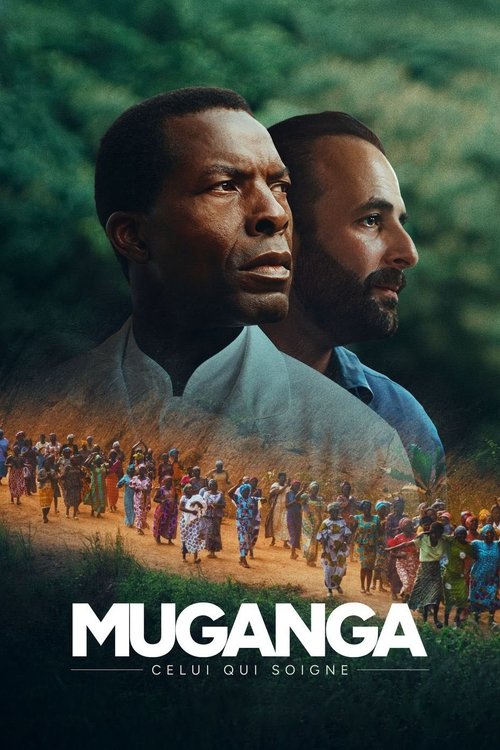
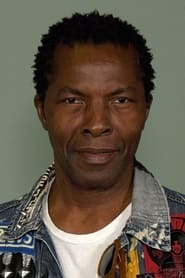
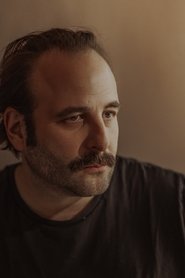
Dr. Denis Mukwege stands tall on the stage in Brussels, his voice steady and resonant as he accepts the King Baudouin International Development Prize. The year is sometime in the early 2010s, though no exact date flashes on screen, and the audience hangs on his every word about the horrors of sexual violence in the Democratic Republic of Congo. A spokesperson leans in close during the ceremony, gripping his arm with earnest intensity. "It's not enough just to do good, Denis. You have to tell people about it," she urges, her eyes fierce with the weight of advocacy. Mukwege nods, the gravity of his lifelong mission etching deeper lines into his face, portrayed with quiet fire by Isaach de Bankolé. In the crowd, Belgian surgeon Guy-Bernard Cadière, played by the wiry, eccentric Vincent Macaigne, shifts in his seat, his adventurous spirit ignited. An atheist laparoscopy expert known for pushing medical boundaries, Cadière feels a pull he can't ignore--something about Mukwege's unyielding faith and purpose stirs him from complacency.
Cut to the sweltering heat of Bukavu in the eastern Democratic Republic of Congo, where Panzi Hospital rises like a fortress amid chaos. Nestled in a secure compound ringed by tense checkpoints, the hospital pulses with life and desperation. Power cuts flicker the lights unpredictably, anonymous threat calls crackle over landlines--"I'm afraid we can't guarantee you or your family's future," one gravelly voice warns Mukwege late one night--and shadowy intruders test the perimeter fences under moonless skies. It's here, in this refuge turned battleground, that Mukwege has dedicated decades since the late 1980s, treating thousands of women ravaged by rape as a weapon of war. Their bodies bear the scars of fists, guns, and worse; communities cast them out as impure, leaving them with AIDS, fistulas, unwanted pregnancies, and shattered souls. Panzi isn't just a hospital--it's holistic salvation: medical reconstruction, moral counseling, legal aid, all under Mukwege's pastoral gaze.
Cadière arrives unannounced, his Belgian bravado clashing with the humid tension. He finds Mukwege in the crowded ward, surrounded by nurses--many former victims themselves, their eyes hardened yet kind as they change dressings and whisper encouragements. "I've come to help," Cadière declares, unpacking his laparoscopy tools with a flourish. Mukwege eyes him skeptically, his pastor's robes a subtle undercurrent to his scrubs. "This is God's work, Doctor. Are you ready for that?" Their partnership begins tentatively, two men from opposite worlds--Mukwege the devout Congolese healer, Cadière the irreverent innovator--united by scalpels and shared exhaustion.
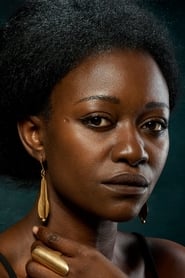
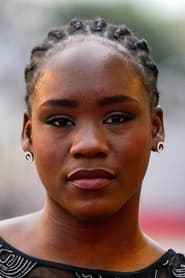
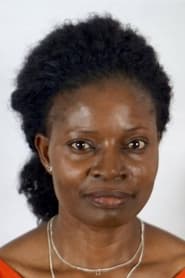
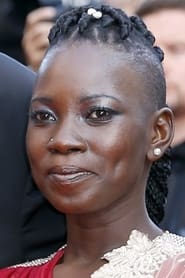
Enter the women who form the heart of Panzi's story: Blanche, Busara, and Maïa, each a vivid testament to survival's ferocity. Blanche, portrayed by Babetida Sadjo with raw, unyielding grace, arrives first, her body a map of brutality from a militia raid in a nearby village. She's 28, her once-vibrant spirit dimmed by rejection from her husband and family. "They said I was cursed," she whispers to a nurse as she's wheeled into intake, her voice trembling under fluorescent lights that buzz like angry hornets. Busara, played by Déborah Lukumuena, follows days later, a fiery 32-year-old mother of three, gang-raped during a market attack, now pregnant against her will and HIV-positive. Her eyes burn with defiance as she clutches a tattered photo of her children. Maïa, the youngest at 22, embodied by Manon Bresch's fragile intensity, stumbles in from the bush, her pelvis shattered by a rifle barrel, abandoned by her fiancé who called her "broken goods." These women, representing tens of thousands, refuse to leave Panzi's walls--too terrified of reprisals, too anchored by the sisterhood forming in the dorms.
Tension simmers from the start. As Mukwege leads morning rounds, a power outage plunges the operating theater into darkness mid-procedure. Generators rumble to life just in time, but the close call underscores the peril. Cadière, adapting quickly, introduces his minimally invasive techniques. "Watch this," he says during Blanche's first surgery, his hands steady as he threads a laparoscope through a tiny incision. Mukwege joins him for their pioneering "four-handed" operations, their fingers dancing in synchronized precision over trembling flesh. Blanche wakes bandaged but alive, her first words a choked "Merci, Muganga"--the Lingala word for healer, now Mukwege's moniker. Emotional bonds form; in the recovery ward, lit by candlelight during another blackout, Blanche shares her testimony with Busara and Maïa. "They held me down in the dirt, laughing," she recounts, tears carving paths through dust on her cheeks. The room falls silent, then Busara grips her hand: "We rise from that dirt."
But cracks emerge in the doctors' alliance. One stormy afternoon in Panzi's sparse conference room, overlooking barbed-wire fences, the abortion debate erupts--the film's rawest confrontation. Busara, her unwanted pregnancy advancing dangerously amid her HIV status, begs for termination, illegal in the DRC. "I can't bring a child of monsters into this world!" she cries, clutching her abdomen as contractions mock her despair. Mukwege refuses, his faith unyielding. "Life is sacred, even in suffering. God has a plan." Cadière explodes, pacing like a caged panther. "God? This is medicine, Denis! Ethics demand we save her life first!" Their voices rise, echoing off concrete walls--Mukwege invoking scripture, Cadière countering with patient autonomy and survival stats. Nurses hover outside, faces taut; the women listen from afar, the argument a mirror to their stolen choices. No blows are landed, no blood spilled, but the rift exposes vulnerabilities. Mukwege retreats to his chapel, kneeling in prayer as rain lashes the windows, while Cadière storms out to the compound, kicking gravel in frustration. Tension peaks when an intruder breaches a checkpoint that night--shadowy figure scaling the fence, caught by guards before reaching the wards. "Rebels," a security officer mutters, dragging him away. Mukwege stares into the darkness, phone ringing with another threat: "Leave, Muganga, or we finish what we started."
Revelations unfold through intimate testimonies, building emotional momentum. Maïa's story breaks first: during a group counseling session under a mango tree, she confesses her attacker's identity--a neighbor she'd trusted, now a militia lieutenant evading justice. "He whispered my name as he did it," she sobs, the group enveloping her in a fierce embrace. No revenge plot ignites; instead, Panzi's legal team files charges, a small victory amid systemic failure. Blanche reveals her secret shame: infected with AIDS post-rape, she'd contemplated suicide before stumbling to Panzi. "I fixed them, but they fix me too," Mukwege confides to Cadière later, wiping sweat from his brow after a grueling shift, the two men sharing whiskey by lantern light. Their friendship deepens here, Cadière admitting his atheism stems from a botched surgery in his youth that killed a patient--"I played God and lost." Mukwege clasps his shoulder: "We don't play. We serve."
Momentum surges as surgeries intensify. Power cuts become rhythmic threats, forcing candlelit improvisations. Blanche's reconstruction succeeds, her fistula repaired via Cadière's laparoscopy; she walks unassisted for the first time in months, tears streaming as she hugs Mukwege. "You're whole again," he says softly. Busara's case twists painfully--her pregnancy ends in natural miscarriage during a blackout, sparing the abortion debate's resolution but scarring all. "It was God's mercy," Mukwege murmurs, though doubt flickers in his eyes. Maïa's pelvic rebuild is the riskiest, requiring the duo's four-handed mastery; alarms blare as she flatlines mid-procedure, Cadière barking, "Paddles! Now!" She revives, gasping, the room erupting in relieved sobs. No deaths claim these women or the staff--Panzi's miracle lies in survival against odds. Threats escalate: a call warns of an assassination plot, checkpoints tighten with armed patrols, intruders probe nightly. Mukwege's exhaustion peaks; he confesses to Cadière in the chapel at dawn, "I fear for my children. Am I selfish for staying?" Cadière, changed, replies, "You're not alone anymore."
The climax builds not in gunfire but in collective resolve. A massive influx hits Panzi--dozens of new victims from a fresh militia sweep, overwhelming wards. Under relentless rain, Mukwege and Cadière operate back-to-back for 48 hours, nurses chaining through blackouts. Blanche, now ambulatory, assists as an aide; Busara counsels arrivals; Maïa, bandaged but fierce, rallies the group in song, their voices rising like thunder. The doctors' final confrontation is internal--Mukwege, post-surgery, collapses from fatigue. Cadière revives him, their debate evolving: "Faith and science aren't enemies," Cadière concedes. "They heal together." No fatal intruder breaches; threats fade into the background as dawn breaks, symbolizing fragile hope.
Revelations culminate in the women's transformations. Blanche reunites virtually with her forgiving sister, a twist of grace amid abandonment. Busara tests negative for mother-to-child transmission post-miscarriage, reclaiming her role as mother. Maïa's case leads to her attacker's arrest via Panzi's legal push--a rare justice win. Mukwege's secret burden lifts: his family's safety is secured through international pressure sparked by his prize speech. No character secrets unravel into betrayal; the twist is subtler--the women's strength revitalizes the men. "How do you cope with all of this?" Cadière asks Mukwege amid the post-flood chaos. "I fix them, but they fix me too," Mukwege replies, the line a poignant anchor.
The film closes on Panzi's sunlit courtyard, no tidy Hollywood finale but a testament to endurance. Blanche, Busara, and Maïa stand tall, arms linked, as new arrivals file in. Mukwege and Cadière scrub out together, sharing a nod of unbreakable camaraderie. "We keep telling the story," Mukwege says, echoing the opening line. The camera pulls back over the compound--checkpoints vigilant, generators humming--conveying hope amid grim perpetuity. No one dies on screen; all key players live, their fight ongoing. Panzi endures as beacon, urging viewers toward peace and justice in the DRC, the screen fading on women's resilient faces. The collaboration persists, a quiet triumph over war's barbarism.







What is the ending?
In the ending of Muganga, Dr. Denis Mukwege and Dr. Guy Cadière continue their tireless work at Panzi Hospital, treating survivors of sexual violence amid ongoing threats, with their friendship strengthening their resolve as women rebuild their lives in the hospital's refuge.
Now, let me take you through the ending scene by scene, as the story builds to its poignant close in the secure compound of Panzi Hospital in Bukavu, eastern Democratic Republic of Congo, where power cuts flicker through operating rooms and nurses--some former victims--assist under tense conditions.
The scene opens in the operating theater during a grueling surgery. Dr. Denis Mukwege (Isaach de Bankolé), the Congolese pastor and surgeon, stands hunched over a patient, his hands steady despite exhaustion, sweat beading on his brow as he repairs severe internal damage from rape. Lights dim from a power outage, but he calls for flashlights. Dr. Guy Cadière (Vincent Macaigne), the Belgian laparoscopy expert and atheist, works beside him, their tools glinting under makeshift light, pioneering non-invasive techniques on the woman's shattered body. Nurses hand instruments silently; one nurse, a survivor with scars visible on her arms, meets Mukwege's eyes with quiet gratitude. The surgery succeeds--the woman stabilizes, her breathing evens out.
Cut to the recovery ward at dawn. Sunlight filters through barred windows onto rows of beds where women like those played by Babetida Sadjo, Déborah Lukumuena, and Manon Bresch lie resting. One woman, bandaged and frail, clutches a survivor's hand, whispering in Lingala about her village's rejection. The hospital has become her home; she refuses to leave, fear etched in her wide eyes. Mukwege enters, Bible in pocket, checking charts. Cadière follows, carrying coffee, their earlier debate on abortion--illegal in DRC and against Mukwege's faith--hanging unspoken but resolved in mutual respect.
Tension rises outside: a tense checkpoint echoes with shouts, anonymous calls buzz on Mukwege's phone warning of intruders, and guards patrol the perimeter. "I'm afraid we can't guarantee you or your family's future," a voice had said earlier. Inside, Mukwege pauses at a window, gazing at the menacing landscape, his face lined with decades of risk. Cadière claps his shoulder: "How do you cope with all of this?" Mukwege replies softly, "I fix them, but they fix me too." They share a look--friendship forged in exhaustion, Cadière's eccentricity lightening Mukwege's burden.
In the next scene, a group of survivors gathers in the hospital courtyard for holistic care. Women sew clothes, children play nearby--Panzi's full support in action. One actress's character, Déborah Lukumuena's survivor, stands tall, her posture straighter post-reconstruction, sharing testimony: "They cast me out as impure, but here I rebuild." Babetida Sadjo's character nods, holding legal papers for justice. Manon Bresch's younger woman, once terrified, now aids a nurse. Mukwege addresses them: "I have received all the medals. What is needed now is change." The women cheer faintly, their voices rising together.
The final operating moment: another procession of women enters, physically and psychologically broken. Mukwege and Cadière dive back in, side by side, amid flickering lights. No resolution to the war's violence--threats persist--but the compound pulses with reconstruction. Fade on Mukwege's determined face, Cadière's grin, nurses' steady hands, and survivors' emerging strength.
Dr. Denis Mukwege carries on at Panzi, risking his life daily to treat thousands more, devoted to his conscience and cause. Dr. Guy Cadière returns strengthened, their partnership enduring through real-life collaboration. The survivors--repaired physically, supported holistically, some aiding others--find refuge and purpose at Panzi, rebuilding lives despite rejection, embodying the hospital's role as home and fight against silence.
Is there a post-credit scene?
No, the movie Muganga (2025) does not have a post-credits scene.
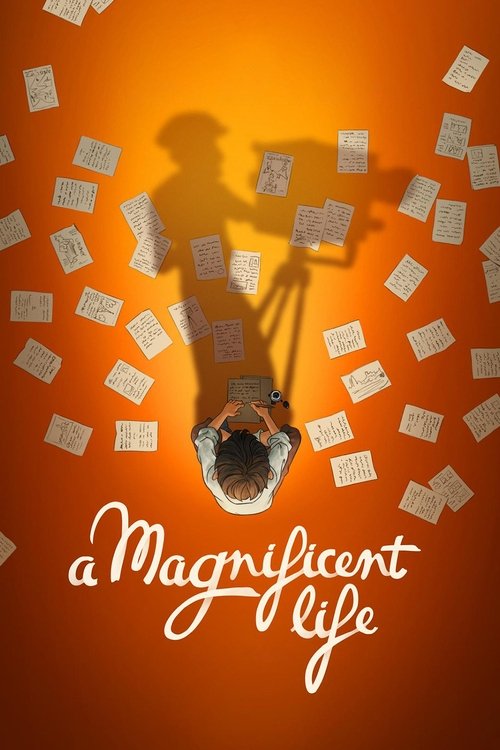
This biographical drama, directed by Marie-Hélène Roux and released in French theaters on September 24, 2025, focuses on the true story of Congolese doctor and Nobel Peace Prize laureate Denis Mukwege partnering with Belgian surgeon Guy Cadière to aid women victimized in the Democratic Republic of Congo's conflicts. Detailed credits, synopses, and production notes from official sources like Unifrance and film music announcements make no mention of post-credits content, which is uncommon in serious biographical films like this one. The runtime is listed as 1 hour 45 minutes with no supplemental scenes noted in any available reviews or breakdowns as of its release.
Is this family friendly?
No, Muganga is not family-friendly due to its focus on sexual violence as a weapon of war in the Democratic Republic of Congo.
Potentially objectionable or upsetting scenes/aspects for children or sensitive viewers include: - Depictions and discussions of rape and sexual assault against women, mothers, and children, presented through survivor testimonies and medical treatment contexts. - Graphic references to physical and psychological trauma from "atrocious" violence, including over 80,000 cases treated at Panzi Hospital. - Tense, menacing atmospheres with threats to safety, checkpoints, intruders, and a climate of fear around the hospital. - Emotional intensity around resilience amid unimaginable suffering and humanitarian crises.









