





















































Popular
What challenges does Jackie Robinson face when he joins the Brooklyn Dodgers?
How does Branch Rickie support Jackie Robinson during his career?
What is the significance of the scene where Jackie Robinson is confronted by a racist player?
How does Jackie Robinson's relationship with his wife, Rachel, evolve throughout the film?
What role does the character Pee Wee Reese play in Jackie Robinson's journey?
Should I watch it?
Ask Your Own Question

What is the plot?
Sorry, we aren't able to watch and write up a full detailed plot yet. Check back in a few days.






What is the ending?
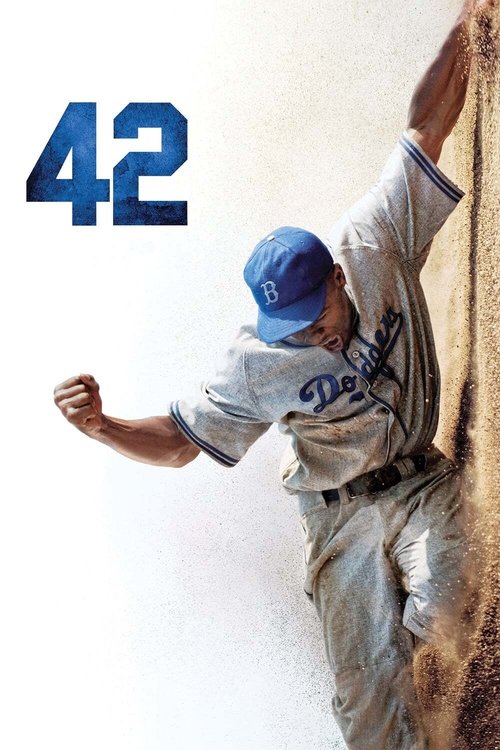
In the ending of the movie "42," Jackie Robinson successfully leads the Brooklyn Dodgers to the National League pennant, breaking the color barrier in Major League Baseball. He faces intense challenges and hostility but ultimately earns the respect of his teammates and fans. The film concludes with a powerful moment where Robinson is celebrated for his achievements, and the impact of his journey is felt across the sport and society.
As the film approaches its conclusion, we see Jackie Robinson, portrayed by Chadwick Boseman, continuing to navigate the complexities of being the first African American player in Major League Baseball. The tension builds as the Dodgers are in a tight race for the pennant. The atmosphere is charged with anticipation, and the stakes are high.
In a pivotal scene, the Dodgers are in the midst of a crucial game against the Philadelphia Phillies. The crowd is electric, and the pressure is palpable. Robinson steps up to the plate, and the camera captures the intensity in his eyes, reflecting both determination and the weight of history on his shoulders. As he hits a crucial home run, the stadium erupts in cheers, a moment that symbolizes not just a victory for the team but a significant step forward in the fight against racial discrimination.
Following the game, the Dodgers celebrate their victory, and Robinson is embraced by his teammates, who have come to respect him not only for his talent but for his resilience in the face of adversity. This moment is significant as it marks a turning point in the relationships between Robinson and his teammates, showcasing the breaking down of racial barriers within the team.
The film then transitions to a scene where Robinson is honored for his achievements. The camera pans over the jubilant crowd, capturing the diverse faces of fans who have come to support him. The emotional weight of the moment is palpable, as Robinson reflects on the struggles he has faced and the sacrifices made by those who came before him. His wife, Rachel Robinson, played by Nicole Beharie, stands by his side, her pride and love evident as she witnesses his triumph.
In the final moments, the film highlights the legacy of Jackie Robinson. A voiceover narrates the impact of his journey, emphasizing how he paved the way for future generations of athletes. The screen fades to black, and the audience is left with a sense of hope and inspiration, knowing that Robinson's courage and determination have changed the landscape of baseball and society.
As the credits roll, we see brief glimpses of Robinson's life after baseball, including his continued advocacy for civil rights and his role as a family man. The film closes with a powerful reminder of the importance of perseverance and the ongoing struggle for equality, leaving viewers with a lasting impression of Jackie Robinson's legacy.
Is there a post-credit scene?
The movie "42," which tells the story of Jackie Robinson and his groundbreaking role in breaking the color barrier in Major League Baseball, does not have a post-credit scene. The film concludes with a powerful depiction of Robinson's impact on the sport and society, emphasizing his legacy and the challenges he faced. After the credits roll, there are no additional scenes or content that extend the narrative or provide further insight into the characters. The film ends on a note that reflects the significance of Robinson's achievements and the ongoing struggle for equality.
What challenges does Jackie Robinson face when he joins the Brooklyn Dodgers?
Jackie Robinson faces significant challenges when he joins the Brooklyn Dodgers, including intense racial discrimination from fans, opposing players, and even some of his own teammates. He endures verbal abuse and threats, particularly during games in the South, where the hostility is palpable. Robinson's internal struggle is evident as he grapples with the pressure to maintain his composure and not retaliate against the hate he receives, which is a crucial part of his journey as he seeks to break the color barrier in Major League Baseball.
How does Branch Rickie support Jackie Robinson during his career?
Branch Rickie, the Dodgers' general manager, plays a pivotal role in supporting Jackie Robinson. He is the one who signs Robinson, believing in his talent and the importance of integrating baseball. Rickie stands by Robinson during the tumultuous times, providing him with guidance and encouragement. He also strategically chooses to have Robinson debut in the major leagues at a time when the Dodgers are ready to face the backlash, ensuring that Robinson has the necessary support from the organization to withstand the challenges ahead.
What is the significance of the scene where Jackie Robinson is confronted by a racist player?
The scene where Jackie Robinson is confronted by a racist player, specifically during a game against the Philadelphia Phillies, is significant as it highlights the overt racism prevalent in baseball at the time. The confrontation escalates when the player, Ben Chapman, hurls racial slurs at Robinson, attempting to provoke him. This moment is crucial as it tests Robinson's resolve and commitment to non-violence, showcasing his internal struggle between anger and the need to remain composed for the sake of his mission to integrate the sport.
How does Jackie Robinson's relationship with his wife, Rachel, evolve throughout the film?
Jackie Robinson's relationship with his wife, Rachel, evolves significantly throughout the film. Initially, Rachel is supportive but also concerned about the immense pressure and racism Jackie faces. As the story progresses, Rachel becomes a source of strength for Jackie, encouraging him to stay true to himself and his values. Their bond deepens as they navigate the challenges together, with Rachel often being the emotional anchor for Jackie, reminding him of the importance of his role in history and the impact of his actions.
What role does the character Pee Wee Reese play in Jackie Robinson's journey?
Pee Wee Reese, the Dodgers' shortstop, plays a crucial role in Jackie Robinson's journey by becoming one of his earliest allies. In a pivotal scene, Reese stands up for Robinson during a game in Cincinnati, putting his arm around Jackie in a show of solidarity against the racial abuse they are facing. This act of support not only helps to bolster Robinson's confidence but also signifies a shift in the attitudes of some players towards integration, highlighting the importance of camaraderie and acceptance in overcoming prejudice.
Is this family friendly?
The movie "42," which tells the story of Jackie Robinson and his groundbreaking integration into Major League Baseball, is generally considered family-friendly, but it does contain some potentially objectionable or upsetting scenes that may affect children or sensitive viewers. Here are a few aspects to be aware of:
-
Racial Slurs: The film depicts the harsh realities of racism during the 1940s, including the use of racial slurs directed at Jackie Robinson. These moments are intense and may be upsetting for younger viewers.
-
Discrimination: There are scenes that illustrate the discrimination and hostility Jackie faces from fans, players, and even some team officials. This can be emotionally charged and may provoke strong feelings.
-
Tension and Conflict: The film includes scenes of conflict and tension, both on and off the field, that highlight the struggles Jackie and his supporters endure. These moments can be intense and may evoke feelings of anger or sadness.
-
Emotional Strain: Jackie Robinson's journey is filled with emotional challenges, including moments of despair and frustration. His internal struggles with the pressure of being a pioneer in a racially divided society may resonate deeply with sensitive viewers.
-
Violence: While not graphic, there are instances of physical confrontations and aggressive behavior that reflect the societal tensions of the time.
Overall, while "42" is an inspiring story of courage and perseverance, parents may want to consider these elements when deciding if it is suitable for younger audiences.