
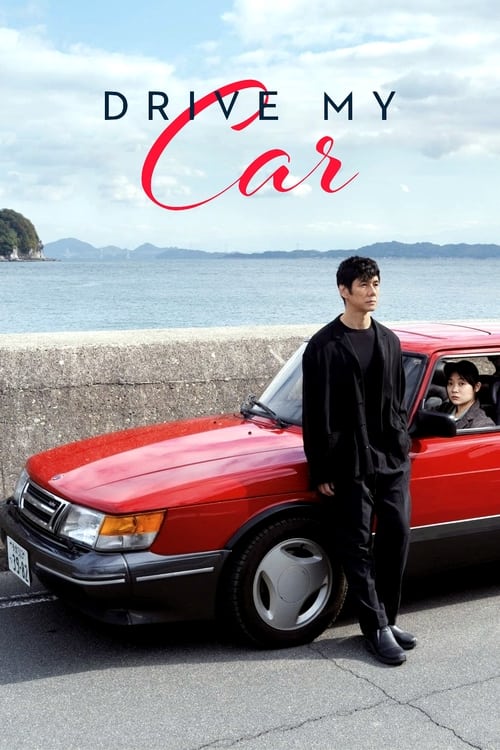
















Popular
What is the significance of the red Saab 900 in the film Drive My Car?
How does Yusuke Kafuku's relationship with his wife Oto influence his character development?
What role does the play 'Uncle Vanya' play in the narrative of Drive My Car?
How does Misaki's character evolve throughout the film?
What is the significance of the conversations between Yusuke and Misaki during their drives?
Should I watch it?
Ask Your Own Question

What is the plot?
Sorry, we aren't able to watch and write up a full detailed plot yet. Check back in a few days.
More Movies Like This
Browse All Movies →







What is the ending?
In the ending of "Drive My Car," Yusuke Kafuku comes to terms with his grief over his late wife, Oto. He finds solace in the connections he has made with others, particularly with Misaki, his driver. The film concludes with Yusuke performing a play that reflects his emotional journey, and he ultimately drives away in his red Saab, symbolizing a new beginning.
As the film approaches its conclusion, we find Yusuke Kafuku in the midst of rehearsals for a production of Chekhov's "Uncle Vanya." The play serves as a backdrop for his emotional exploration and the relationships he has formed throughout the story. Misaki, his driver, has become an integral part of his life, and their bond deepens as they share their personal stories and struggles.
In a pivotal scene, Yusuke is seen in the theater, surrounded by the cast and crew. The atmosphere is charged with anticipation as they prepare for the performance. Yusuke's internal conflict is palpable; he grapples with the memories of his wife, Oto, and the unresolved feelings surrounding her infidelity and their life together. As he steps onto the stage, he channels his grief and experiences into his portrayal of the character, allowing the audience to witness the raw emotion he has been carrying.
After the performance, Yusuke and Misaki share a moment of reflection. They discuss the themes of the play, which resonate deeply with their own lives. Misaki reveals her own struggles with loss and the impact it has had on her life. This exchange highlights the connection they have forged, built on mutual understanding and shared pain.
In the final scenes, Yusuke drives his red Saab through the streets, a symbol of his journey and transformation. The act of driving becomes a metaphor for moving forward, leaving behind the weight of his past while still carrying the memories of Oto with him. As he navigates the roads, there is a sense of liberation in his actions, suggesting that he is ready to embrace the future.
The film concludes with Yusuke's face reflecting a mixture of sorrow and hope. He has come to terms with his grief, and while the memories of Oto will always be a part of him, he is now open to new experiences and connections. Misaki, having played a significant role in his healing process, is left with her own journey ahead, having found a sense of purpose in her work and the relationships she has built.
In summary, the ending of "Drive My Car" encapsulates the themes of grief, connection, and the possibility of moving forward. Yusuke's fate is one of acceptance and renewal, while Misaki's journey continues as she navigates her own path. The film closes on a note of introspection, leaving the audience to ponder the complexities of love, loss, and the human experience.
Is there a post-credit scene?
Drive My Car does not have a post-credit scene. The film concludes with a poignant and reflective ending that encapsulates the themes of grief, connection, and the complexities of human relationships. After the final credits roll, there are no additional scenes or content that follow. The film leaves viewers with a sense of closure, inviting them to ponder the emotional journey of the characters rather than providing further narrative developments.
What is the significance of the red Saab 900 in the film Drive My Car?
The red Saab 900 serves as a crucial symbol throughout the film, representing both the protagonist Yusuke Kafuku's past and his emotional journey. It is a vehicle that connects him to his late wife, Oto, as it was a car they shared. The car becomes a space for Yusuke to confront his grief and memories, as he drives it while rehearsing for a play and reflecting on his relationship with Oto.
How does Yusuke Kafuku's relationship with his wife Oto influence his character development?
Yusuke's relationship with Oto is central to his character arc. Their bond is marked by deep love but also by complexities, including Oto's infidelity. As Yusuke navigates his grief after her death, he grapples with feelings of betrayal and longing. This internal conflict drives his interactions with others, particularly with Misaki, the young driver, as he seeks understanding and connection.
What role does the play 'Uncle Vanya' play in the narrative of Drive My Car?
The play 'Uncle Vanya' serves as a pivotal element in the narrative, mirroring Yusuke's own struggles with love, loss, and regret. As he directs the play, the themes resonate with his personal experiences, allowing him to explore his emotions and relationships. The rehearsal process becomes a means for Yusuke to confront his past and connect with the cast, particularly Misaki, who also has her own burdens.
How does Misaki's character evolve throughout the film?
Misaki, the young driver assigned to Yusuke, initially appears reserved and distant. As the story unfolds, her character reveals layers of complexity, shaped by her own traumatic experiences. Through her interactions with Yusuke, she gradually opens up, sharing her struggles and forming a bond with him. This evolution highlights her journey towards healing and understanding, paralleling Yusuke's own emotional growth.
What is the significance of the conversations between Yusuke and Misaki during their drives?
The conversations between Yusuke and Misaki during their drives are significant as they serve as a vehicle for emotional exchange and introspection. These dialogues allow both characters to share their vulnerabilities, confront their pasts, and develop a deeper understanding of each other. The car becomes a safe space for them to explore their grief, regrets, and hopes, ultimately fostering a connection that aids in their healing processes.
Is this family friendly?
"Drive My Car," produced in 2021, is a film that explores complex themes of grief, loss, and human connection. While it is a beautifully crafted narrative, it is not considered family-friendly due to several potentially objectionable or upsetting aspects.
-
Mature Themes: The film delves into deep emotional issues, including infidelity, the impact of loss, and the struggles of communication in relationships, which may be difficult for younger audiences to understand.
-
Language: There are instances of strong language throughout the film that may not be suitable for children.
-
Sexual Content: The narrative includes discussions and depictions of adult relationships and infidelity, which may be inappropriate for younger viewers.
-
Emotional Intensity: The film portrays characters dealing with profound grief and trauma, which could be upsetting for sensitive individuals.
-
Death and Loss: The themes of death and the emotional aftermath are central to the story, potentially triggering for those who have experienced similar losses.
Overall, "Drive My Car" is a contemplative and mature film that may not be suitable for children or those who are sensitive to heavy emotional content.









