






























Popular
What challenges does Bruce Lee face in his early life that shape his character?
How does Bruce Lee's relationship with Linda evolve throughout the film?
What role does Bruce Lee's philosophy play in his martial arts journey?
How does the film depict Bruce Lee's struggles with his identity as a Chinese-American?
What is the significance of the character of the 'dark spirit' that haunts Bruce Lee?
Should I watch it?
Ask Your Own Question

What is the plot?
Sorry, we aren't able to watch and write up a full detailed plot yet. Check back in a few days.
More Movies Like This
Browse All Movies →



What is the ending?
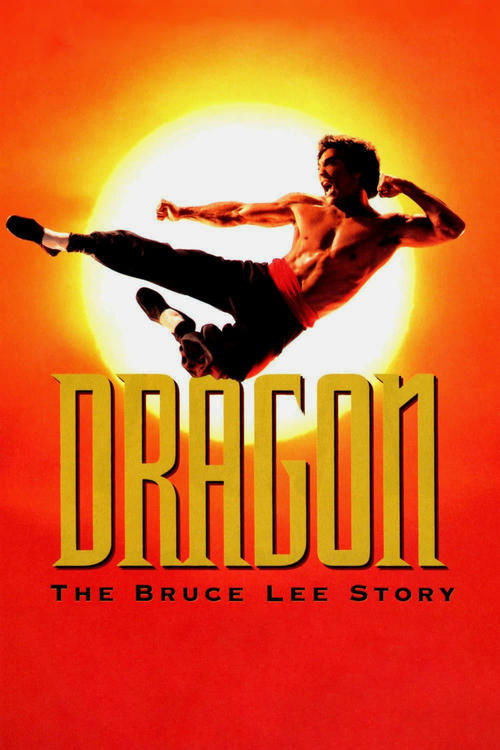
In the ending of "Dragon: The Bruce Lee Story," Bruce Lee faces his greatest challenge as he prepares for the release of his film "Enter the Dragon." He is confronted by the spirit of his past, particularly the trauma surrounding his childhood and the loss of his brother. Ultimately, Bruce overcomes these internal struggles, achieving a sense of peace and fulfillment. The film concludes with Bruce's legacy solidified, as he becomes an iconic figure in martial arts and cinema, inspiring countless individuals.
As the climax of the film approaches, we find Bruce Lee in a state of intense preparation for the release of "Enter the Dragon." The scene opens with Bruce in his home, surrounded by the buzz of excitement and anticipation. His wife, Linda, is supportive yet concerned about the toll that fame and the pressures of the film industry are taking on him. Bruce, however, is determined to succeed, driven by his passion for martial arts and his desire to break down racial barriers in Hollywood.
In a pivotal moment, Bruce is haunted by visions of his deceased brother, who represents the unresolved guilt and trauma from his childhood. This haunting manifests as a series of flashbacks, where Bruce recalls the struggles he faced growing up in a strict household and the expectations placed upon him. The emotional weight of these memories is palpable, as Bruce grapples with feelings of inadequacy and fear of failure.
As the film's release date approaches, Bruce's internal conflict intensifies. He experiences a moment of vulnerability, where he confides in Linda about his fears and the pressure he feels to succeed. Linda, embodying unwavering support, reassures him of his talent and the impact he has already made. This exchange highlights the deep bond between them, showcasing Linda's role as Bruce's anchor amidst the chaos of his life.
The climax reaches its peak during the film's premiere. The atmosphere is electric, filled with anticipation and excitement. Bruce stands before the audience, a mix of nerves and determination coursing through him. As the film plays, we see Bruce's martial arts prowess on display, captivating the audience and solidifying his status as a martial arts icon. The cheers and applause from the crowd serve as a cathartic release for Bruce, allowing him to confront his past and embrace his future.
In the final scenes, Bruce is depicted as a figure of inspiration, not just for martial artists but for anyone facing adversity. The film concludes with a montage of Bruce's achievements, showcasing his influence on martial arts and cinema. The legacy he leaves behind is profound, as he becomes a symbol of resilience and determination.
As the credits roll, we see glimpses of Bruce's family, particularly Linda and their children, who carry on his legacy. Linda, now a strong and independent woman, reflects on Bruce's impact and the love they shared. The film closes with a sense of hope and continuity, emphasizing that Bruce Lee's spirit lives on through his work and the lives he touched.
In summary, the ending of "Dragon: The Bruce Lee Story" encapsulates Bruce's journey of self-discovery, the resolution of his internal conflicts, and the lasting impact of his legacy on future generations. Each character, from Bruce to Linda, emerges with a sense of purpose and strength, underscoring the film's themes of perseverance and the power of love.
Is there a post-credit scene?
In the movie "Dragon: The Bruce Lee Story," there is no post-credit scene. The film concludes with a powerful and emotional ending that encapsulates Bruce Lee's legacy and impact on martial arts and cinema. After the climax of the story, which focuses on Bruce's struggles, triumphs, and the tragic circumstances surrounding his death, the film ends on a reflective note, celebrating his life and contributions. The credits roll without any additional scenes or content following them.
What challenges does Bruce Lee face in his early life that shape his character?
In his early life, Bruce Lee faces significant challenges, including a strict upbringing under his father, who is a traditional opera singer and a martial artist. This creates a conflict between Bruce's desire for freedom and his father's expectations. Additionally, Bruce experiences racial discrimination in America, which fuels his determination to prove himself and succeed in martial arts.
How does Bruce Lee's relationship with Linda evolve throughout the film?
Bruce Lee's relationship with Linda is portrayed as a deep and supportive partnership. Initially, they meet when Bruce is a struggling martial artist, and Linda is captivated by his passion and charisma. As they marry and start a family, their bond strengthens, but they also face challenges, including Bruce's intense dedication to his craft and the pressures of fame. Linda's unwavering support becomes crucial during Bruce's struggles with injuries and personal demons.
What role does Bruce Lee's philosophy play in his martial arts journey?
Bruce Lee's philosophy, particularly his belief in adapting martial arts to the individual rather than adhering strictly to traditional forms, is central to his journey. He develops his own style, Jeet Kune Do, which emphasizes practicality and efficiency. This philosophy not only influences his fighting techniques but also reflects his personal growth and quest for self-identity, as he seeks to break free from cultural constraints.
How does the film depict Bruce Lee's struggles with his identity as a Chinese-American?
The film vividly portrays Bruce Lee's struggles with his identity as a Chinese-American through various scenes that highlight his experiences with racism and cultural alienation. He faces prejudice in Hollywood, where he is often typecast and marginalized. This struggle drives him to assert his identity and prove that he can be a successful martial artist and actor, ultimately leading him to create a new narrative for Asian representation in film.
What is the significance of the character of the 'dark spirit' that haunts Bruce Lee?
The 'dark spirit' in the film symbolizes Bruce Lee's internal fears and insecurities, particularly regarding his mortality and the pressures of his career. This supernatural element manifests during key moments of stress and self-doubt, serving as a representation of the obstacles he must overcome. The spirit's presence challenges Bruce to confront his vulnerabilities and ultimately find strength in his convictions and his love for his family.
Is this family friendly?
"Dragon: The Bruce Lee Story" contains several elements that may be considered objectionable or upsetting for children or sensitive viewers. Here are some aspects to be aware of:
-
Violence and Fighting Scenes: The film features numerous martial arts sequences that include intense fighting, injuries, and physical confrontations. While these scenes are choreographed, they may be distressing for younger viewers.
-
Death and Grief: The film addresses themes of loss and mortality, particularly surrounding Bruce Lee's family and his experiences with death. These moments can evoke strong emotions and may be difficult for some viewers to process.
-
Supernatural Elements: There are scenes that depict Bruce Lee experiencing visions or encounters with spirits, which may be unsettling for some audiences, especially younger children.
-
Cultural Conflict and Racism: The film touches on issues of racism and cultural identity, showcasing the struggles Bruce faced as an Asian man in America. Some scenes may depict prejudice or discrimination that could be upsetting.
-
Personal Struggles: Bruce Lee's journey includes moments of personal doubt, anxiety, and the pressure of expectations, which may resonate deeply and evoke emotional responses.
These elements contribute to the film's overall narrative and character development but may not be suitable for all viewers, particularly younger children or those sensitive to such themes.









