


































Popular
What is the significance of Ashtray's relationship with his father?
How does the character of Loc Dog represent the struggles of young men in the hood?
What role does the character of Dashiki play in Ashtray's life?
How does the film use humor to address serious issues faced by the characters?
What is the significance of the recurring theme of family in the film?
Should I watch it?
Ask Your Own Question

What is the plot?
Sorry, we aren't able to watch and write up a full detailed plot yet. Check back in a few days.



What is the ending?
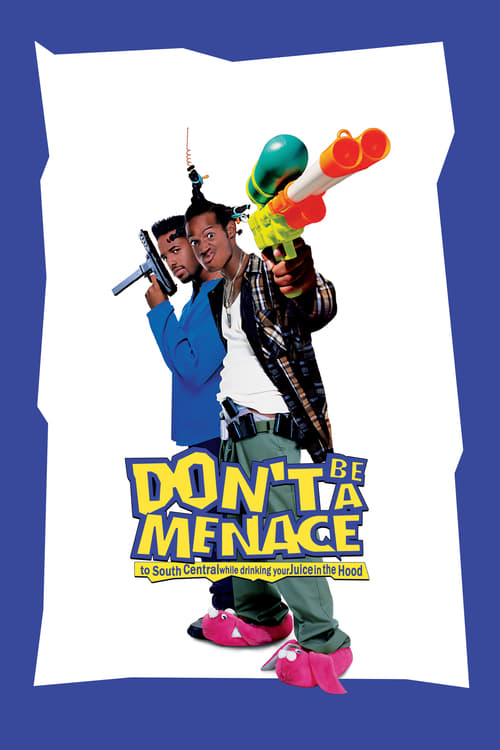
In the ending of "Don't Be a Menace to South Central While Drinking Your Juice in the Hood," the main character, Ashtray, confronts the realities of his environment and the choices he has made. After a series of comedic and chaotic events, he ultimately decides to leave the neighborhood, reflecting on the absurdity of the life he has been living. The film concludes with a montage of various characters, showcasing their fates and the ongoing cycle of life in the hood.
As the film approaches its conclusion, Ashtray finds himself in a series of escalating confrontations. The tension builds as he navigates the streets filled with gang violence, drug deals, and the absurdity of his friends' antics. In a pivotal scene, Ashtray's friend, Loc Dog, is involved in a ridiculous shootout that highlights the dangers of their lifestyle. The chaos around them serves as a backdrop for Ashtray's internal struggle.
In a moment of clarity, Ashtray reflects on his life choices and the influence of his surroundings. He realizes that the cycle of violence and poor decisions is not the path he wants to continue on. This realization is underscored by a heartfelt conversation with his love interest, who represents a potential escape from the madness of the hood. Their interaction is filled with both humor and sincerity, as they discuss their dreams and aspirations beyond the confines of their environment.
As the film wraps up, Ashtray makes the decision to leave South Central. This choice symbolizes a break from the toxic influences that have surrounded him. The final scenes depict Ashtray walking away from the chaos, with a sense of hope for a better future. The montage that follows showcases the fates of other characters: some continue down their destructive paths, while others find moments of redemption or humor in their struggles.
Loc Dog, despite his reckless behavior, remains a comedic figure, embodying the absurdity of their lifestyle. The film ends on a note that emphasizes the cyclical nature of life in the hood, leaving viewers with a mix of laughter and reflection on the characters' journeys. Each character's fate serves as a commentary on the choices they made and the environment they inhabit, reinforcing the film's themes of resilience and the search for a better life amidst adversity.
Is there a post-credit scene?
In "Don't Be a Menace to South Central While Drinking Your Juice in the Hood," there is no post-credit scene. The film concludes without any additional content after the credits roll. The story wraps up with the main characters, including Ashtray and his experiences in the neighborhood, leaving the audience with a comedic yet poignant reflection on the themes of life in South Central Los Angeles. The film's humor and social commentary are encapsulated in the main narrative, and there are no further scenes or revelations after the credits.
What is the significance of Ashtray's relationship with his father?
Ashtray's relationship with his father is central to his character development. Initially, Ashtray is portrayed as a young man seeking approval and guidance from his father, who is largely absent and uninvolved in his life. This absence creates a sense of longing and confusion in Ashtray, as he navigates the challenges of growing up in a tough environment. The moments they do share are often filled with tension and misunderstanding, highlighting Ashtray's desire for connection and the impact of his father's neglect on his self-identity.
How does the character of Loc Dog represent the struggles of young men in the hood?
Loc Dog embodies the struggles of young men in the hood through his experiences and choices. He is depicted as a product of his environment, often caught between the desire for a better life and the pull of gang culture. His humorous yet tragic attempts to navigate relationships, particularly with women, showcase his vulnerability and the societal pressures he faces. Loc Dog's character arc illustrates the conflict between aspiration and reality, as he grapples with the consequences of his actions and the influence of his surroundings.
What role does the character of Dashiki play in Ashtray's life?
Dashiki plays a pivotal role in Ashtray's life as both a love interest and a catalyst for his personal growth. She represents the allure of romance and the complications that come with it in a challenging environment. Their relationship is marked by moments of passion and conflict, reflecting Ashtray's internal struggles with commitment and identity. Dashiki's character challenges Ashtray to confront his feelings and the realities of their situation, ultimately pushing him to make choices that define his path.
How does the film use humor to address serious issues faced by the characters?
The film employs humor as a tool to address serious issues such as violence, poverty, and systemic racism. Through exaggerated situations and comedic dialogue, it highlights the absurdity of the characters' circumstances while also providing commentary on the harsh realities of life in the hood. This blend of comedy and social critique allows the audience to engage with the characters' struggles in a way that is both entertaining and thought-provoking, making the serious themes more accessible.
What is the significance of the recurring theme of family in the film?
The theme of family is significant in the film as it explores the dynamics and dysfunctions within various familial relationships. Characters like Ashtray and Loc Dog grapple with their family backgrounds, which shape their identities and choices. The film portrays family as a source of both support and conflict, illustrating how the characters' experiences with their parents and siblings influence their actions and relationships. This theme underscores the importance of connection and the impact of familial ties in the context of their environment.
Is this family friendly?
"Don't Be a Menace to South Central While Drinking Your Juice in the Hood" is a satirical comedy that contains several elements that may not be suitable for children or sensitive viewers. Here are some potentially objectionable aspects:
-
Strong Language: The film features frequent use of profanity and racial slurs, which may be inappropriate for younger audiences.
-
Violence: There are scenes depicting gun violence, gang confrontations, and other aggressive behavior that could be distressing.
-
Drug Use: The film includes references to drug dealing and consumption, which may not be suitable for children.
-
Sexual Content: There are suggestive themes and sexual innuendos throughout the film, including scenes that may be considered explicit.
-
Stereotypes and Racial Humor: The film employs racial stereotypes and humor that could be offensive or upsetting to some viewers.
-
Alcohol Consumption: Characters are shown drinking alcohol, which may not be appropriate for younger audiences.
These elements contribute to the film's overall tone and humor but may not align with family-friendly viewing standards.









