





































Popular
What motivates Grenouille to start killing young women?
How does Grenouille's childhood influence his actions as an adult?
What role does Baldini play in Grenouille's life?
How does Grenouille acquire the scents of the women he murders?
What is the significance of the final scene where Grenouille returns to Paris?
Should I watch it?
Ask Your Own Question

What is the plot?
Sorry, we aren't able to watch and write up a full detailed plot yet. Check back in a few days.
More Movies Like This
Browse All Movies →





What is the ending?
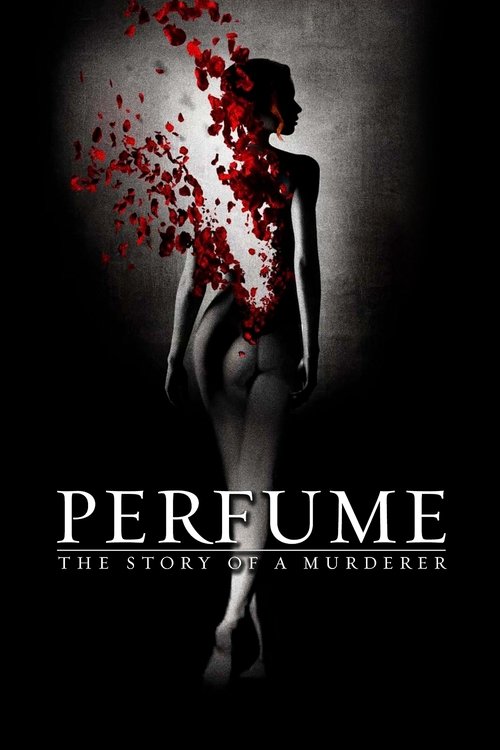
In the ending of "Perfume: The Story of a Murderer," Jean-Baptiste Grenouille, after successfully creating a perfume that allows him to manipulate others, finds himself in a moment of existential despair. He returns to Paris, where he is ultimately confronted by the emptiness of his existence. In a final act of desperation, he pours the perfume over himself in a public square, leading to his own demise at the hands of a mob that is drawn to him by the scent. In the end, Grenouille is consumed by the very world he sought to control, and his life concludes in a tragic and ironic twist.
Now, let's delve into the ending in a more detailed, chronological narrative.
As the film approaches its climax, Jean-Baptiste Grenouille stands in the heart of Paris, clutching the vial of his exquisite perfume, a concoction that embodies the essence of beauty and seduction. He has meticulously crafted this scent from the essence of young women he has murdered, believing that it will grant him the power to be loved and adored. However, as he prepares to unleash his creation upon the world, a profound sense of emptiness washes over him. Despite his extraordinary talent and the intoxicating allure of his perfume, Grenouille realizes that he is still alone, devoid of genuine human connection.
In a pivotal scene, Grenouille walks through the bustling streets of Paris, the vibrant life around him starkly contrasting with his internal desolation. He applies the perfume, and as the scent wafts through the air, people are drawn to him, captivated by the fragrance. They surround him, their faces filled with awe and desire, as if he is a god among men. For a fleeting moment, Grenouille basks in the adoration he has longed for, feeling the warmth of their affection. Yet, this moment is fleeting, as he quickly understands that their love is not for him as a person, but for the illusion he has created.
As the crowd grows larger, the atmosphere shifts. The people, intoxicated by the scent, begin to lose their sense of reason. They become frenzied, caught in a collective ecstasy that spirals into chaos. Grenouille, standing at the center of this maelstrom, is both exhilarated and horrified. He has achieved his goal, but the realization that he is still an outsider, a mere puppet master without strings of his own, gnaws at him.
In a dramatic turn, Grenouille, overwhelmed by the weight of his own existence and the hollowness of his triumph, decides to end it all. He pours the remaining perfume over himself, a final act of surrender to the very essence he sought to control. The crowd, now in a frenzy, is drawn to him with an insatiable hunger. They begin to tear at him, driven by the intoxicating scent that has ensnared their senses. In this moment, Grenouille becomes both the object of their desire and their victim.
As the mob descends upon him, Grenouille's fate is sealed. He is consumed by the very people he sought to manipulate, a tragic irony that underscores the futility of his quest for love and acceptance. In his final moments, he is not just a murderer but a man who has sacrificed everything for a fleeting moment of connection, only to find that it leads to his own destruction.
The film concludes with a haunting image of Grenouille's lifeless body, surrounded by the remnants of his ambition. The camera pulls away, leaving the audience to ponder the tragic consequences of his actions and the emptiness that lies at the heart of his pursuit. In the end, Grenouille's fate serves as a poignant reminder of the dangers of obsession and the profound loneliness that can accompany the quest for greatness.
Is there a post-credit scene?
The movie "Perfume: The Story of a Murderer" does not have a post-credit scene. After the final credits roll, there are no additional scenes or content that follow. The film concludes with the haunting and powerful imagery of Grenouille's demise, leaving the audience to reflect on the themes of obsession, desire, and the nature of humanity that permeate the story. The absence of a post-credit scene reinforces the film's dark and somber tone, allowing the narrative to linger in the viewer's mind without further elaboration.
What motivates Grenouille to start killing young women?
Grenouille is driven by an insatiable desire to create the perfect scent, which he believes can only be achieved by capturing the essence of beautiful young women. His obsession with scent stems from his own lack of identity and the neglect he faced in his early life, leading him to believe that possessing the perfect fragrance will grant him power and acceptance.
How does Grenouille's childhood influence his actions as an adult?
Grenouille's childhood is marked by abandonment and abuse, being born in a fish market and left to fend for himself. His mother, who shows no affection, attempts to kill him, leading to his survival instincts being heightened. This traumatic upbringing instills in him a profound sense of isolation and a desperate need to be loved and recognized, which he seeks to fulfill through his obsession with scent.
What role does Baldini play in Grenouille's life?
Baldini, an aging perfumer, becomes a mentor to Grenouille after recognizing his extraordinary olfactory talents. He initially sees Grenouille as a means to revive his failing business. However, as Grenouille's genius surpasses Baldini's own, Baldini becomes increasingly aware of Grenouille's darker ambitions, ultimately feeling threatened by him.
How does Grenouille acquire the scents of the women he murders?
Grenouille uses a method of extraction that involves killing the women and then using a technique called enfleurage to capture their scent. He meticulously plans each murder, ensuring that he can preserve the essence of each victim, which he believes is essential for creating his ultimate perfume.
What is the significance of the final scene where Grenouille returns to Paris?
In the final scene, Grenouille returns to Paris after creating his perfect perfume, which gives him the power to manipulate and control those around him. However, he ultimately feels empty and unfulfilled, leading him to a moment of self-realization. The scene culminates in his dramatic act of self-destruction, where he uses the perfume to incite a frenzy among a crowd, symbolizing his complete disconnection from humanity and the futility of his quest for love and acceptance.
Is this family friendly?
"Perfume: The Story of a Murderer" is not considered family-friendly due to its mature themes and graphic content. Here are some potentially objectionable or upsetting aspects that may affect children or sensitive viewers:
-
Violence and Murder: The film contains scenes depicting murder, including the protagonist's method of killing, which is graphic and unsettling.
-
Sexual Content: There are scenes that involve nudity and sexual situations, which may be inappropriate for younger audiences.
-
Dark Themes: The overarching themes of obsession, the nature of beauty, and the moral implications of the protagonist's actions can be disturbing.
-
Death and Decay: The film explores the concept of death and features scenes that depict decay and the aftermath of violence, which can be quite graphic.
-
Psychological Distress: The protagonist's troubled psyche and his obsessive quest for perfection can evoke feelings of discomfort and unease.
These elements contribute to the film's mature rating and may not be suitable for children or those sensitive to such content.








