







Popular
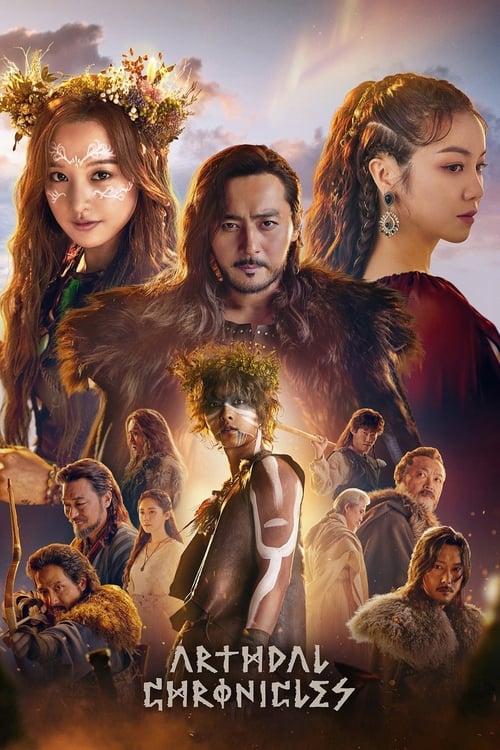
What is the significance of the blue stone in Arthdal Chronicles?
How does Eunseom's identity as a half-blood affect his journey?
What role does Tanya play in the story and how does her character evolve?
What are Tagon's motivations and how do they drive his actions?
How does the relationship between Eunseom and Tanya develop throughout the series?
Should I watch it?
Ask Your Own Question

What is the plot?
In the ancient land of Arth, the story begins with the birth of a child named Eunseom, who is born under a prophecy that he will bring about great change. His mother, a member of the Wahan tribe, is forced to abandon him in the forest to protect him from the invading Saenyeok tribe, who seek to kill all children born with the mark of the prophecy. Eunseom is found and raised by the Wahan tribe, growing up with a strong sense of justice and a desire to protect his people.
As Eunseom matures, he learns about the harsh realities of life in the forest and the ongoing conflict between the tribes. He witnesses the brutality of the Saenyeok tribe, led by the ambitious and ruthless leader, Ta-gon. Ta-gon is determined to unify the tribes under his rule and sees Eunseom as a potential threat due to the prophecy surrounding him. Eunseom's internal struggle intensifies as he grapples with his identity and the expectations placed upon him.
Meanwhile, in the city of Arthdal, Ta-gon is rising to power. He is ambitious and cunning, using manipulation and violence to achieve his goals. He forms an alliance with the powerful and enigmatic woman, Tan-ya, who is the last surviving member of the ancient Wahan tribe. Tan-ya possesses unique abilities and is seen as a key figure in the struggle for power. Ta-gon becomes infatuated with her, but she is torn between her loyalty to her people and her growing feelings for him.
As tensions escalate between the tribes, Eunseom embarks on a journey to find his true purpose. He encounters various characters along the way, including the fierce warrior, Saya, who is revealed to be his twin brother, separated at birth. Saya has been raised in the Saenyeok tribe and has been groomed by Ta-gon to become a weapon for his ambitions. The brothers' reunion is fraught with emotional turmoil as they confront their differing upbringings and the paths they have chosen.
Eunseom and Saya's relationship becomes increasingly complicated as they are drawn into the larger conflict between the tribes. Eunseom seeks to unite the Wahan and Saenyeok tribes against Ta-gon's tyranny, while Saya struggles with his loyalty to Ta-gon and his desire to protect his brother. The brothers' bond is tested as they face betrayal, loss, and the weight of their destinies.
As the story unfolds, Ta-gon's plans to consolidate power lead to a series of brutal confrontations. He orchestrates attacks on the Wahan tribe, leading to devastating losses. Eunseom rallies the remaining members of the Wahan tribe and other allied tribes to fight back against Ta-gon's forces. The battles are intense and filled with emotional stakes, as characters confront their fears and fight for their survival.
In a climactic showdown, Eunseom and Saya face off against Ta-gon. The battle is fierce, with both brothers showcasing their unique skills and abilities. Ta-gon, driven by his ambition, underestimates the bond between the brothers and the strength of their resolve. In a moment of desperation, Eunseom taps into the power of the prophecy, revealing his true potential as a leader and warrior.
The confrontation culminates in a dramatic twist as Ta-gon is ultimately defeated, but not without significant sacrifices. The aftermath of the battle leaves the tribes in disarray, and Eunseom must navigate the complexities of leadership and the responsibilities that come with it. He is faced with the challenge of uniting the tribes and healing the wounds of war.
As the series progresses, the characters continue to evolve, facing new challenges and moral dilemmas. Eunseom's journey is one of self-discovery, as he learns to embrace his identity and the legacy of his people. Tan-ya's role becomes increasingly pivotal as she grapples with her own powers and the implications of her choices.
The story concludes with a sense of hope and uncertainty, as the characters look towards the future. Eunseom, now a leader, must forge a new path for the tribes of Arth, while Saya grapples with his own identity and the consequences of his past decisions. The bonds of family, loyalty, and destiny intertwine, setting the stage for further developments in the world of Arthdal.




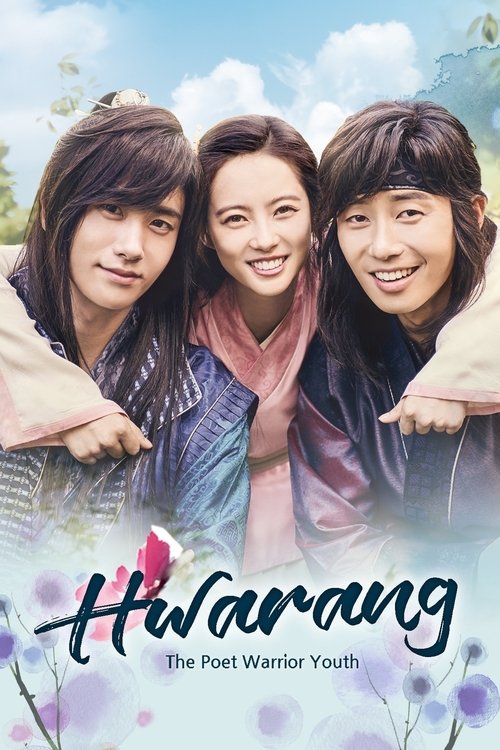


What is the ending?
In the ending of "Arthdal Chronicles," the fates of the main characters are intertwined with the ongoing conflict for power in Arthdal. Eunseom, who has been fighting for his people, faces a critical moment as he confronts Tagon. Tagon, now the ruler of Arthdal, has his own ambitions and desires. The story culminates in a battle for the future of the land, with significant sacrifices made by the characters. Ultimately, Eunseom and Tagon's paths collide, leading to a resolution that sets the stage for future struggles.
As the final episodes unfold, the narrative begins with Eunseom, who has returned to Arthdal after a long journey filled with trials. He is determined to protect his people, the Wahan tribe, and reclaim their dignity. The tension builds as he prepares to confront Tagon, who has solidified his power and is now the leader of Arthdal. Tagon, ambitious and ruthless, is shown to be willing to do whatever it takes to maintain his rule, including manipulating those around him.
In a pivotal scene, Eunseom gathers his allies, including the loyal and fierce Tan-ya, who has her own stake in the conflict. Tan-ya, a powerful figure in her own right, is torn between her love for Eunseom and her responsibilities to her people. The emotional weight of their relationship is palpable as they strategize together, knowing that the stakes are higher than ever.
As the confrontation with Tagon approaches, the atmosphere is charged with tension. The battle is not just physical but also ideological, representing the clash between the old ways of the tribes and the new order that Tagon seeks to impose. The cinematography captures the chaos of the battlefield, with sweeping shots of warriors clashing, the sounds of battle echoing, and the visceral emotions of fear, courage, and desperation etched on the characters' faces.
During the climax, Eunseom and Tagon finally face each other. The confrontation is intense, filled with raw emotion as they exchange words that reveal their motivations and the burdens they carry. Eunseom fights not just for himself but for the future of his people, while Tagon's ambition blinds him to the cost of his actions. The fight is brutal, showcasing their physical prowess and the emotional stakes involved.
As the dust settles, the outcome of their battle leads to significant consequences. Eunseom emerges victorious but at a great cost. He realizes that while he has defeated Tagon, the struggle for peace and unity among the tribes is far from over. Tagon, on the other hand, is left to grapple with his defeat, his ambitions shattered, and his vision for Arthdal crumbling.
In the aftermath, the narrative shifts to the surviving characters. Tan-ya, witnessing the toll of the conflict, is left to ponder her role in the new world that is emerging. Eunseom, now a leader, must navigate the complexities of uniting the tribes and healing the wounds of war. The final scenes hint at the ongoing challenges they will face, emphasizing that while battles may be won, the war for a better future continues.
The series concludes with a sense of unresolved tension, leaving the audience to reflect on the cyclical nature of power, ambition, and the quest for identity in a world fraught with conflict. Each character's journey is marked by growth, sacrifice, and the enduring hope for a more unified Arthdal, setting the stage for potential future stories.
Is there a post-credit scene?
In "Arthdal Chronicles," there is no post-credit scene following the episodes. The series concludes its narrative arcs within the episodes themselves, focusing on the complex relationships and power struggles among the characters in the ancient land of Arth. Each episode wraps up its storylines without additional scenes after the credits, maintaining the focus on the unfolding drama and character development throughout the series.
What is the significance of the blue stone in Arthdal Chronicles?
The blue stone, known as the 'blue blood' or 'blue gem,' is a symbol of power and destiny in Arthdal Chronicles. It is believed to be connected to the lineage of the rulers and is sought after by various characters, including Eunseom and Tagon. The stone represents the connection between the past and the future, and its possession can determine the fate of the tribes.
How does Eunseom's identity as a half-blood affect his journey?
Eunseom's identity as a half-blood, being born of a Wahan mother and a noble father from the Arthdal tribe, creates a deep internal conflict within him. He struggles with feelings of alienation and the desire to belong to either the Wahan tribe or the Arthdal society. This duality drives his motivations, as he seeks to protect his people while also grappling with the expectations placed upon him due to his heritage.
What role does Tanya play in the story and how does her character evolve?
Tanya, the daughter of the Wahan tribe's shaman, plays a crucial role as a healer and a symbol of hope for her people. Throughout the series, her character evolves from a naive girl into a strong leader who embraces her destiny. Her journey is marked by her struggles against the oppressive forces of Arthdal and her determination to unite her people, showcasing her growth in strength and resolve.
What are Tagon's motivations and how do they drive his actions?
Tagon, the ambitious and cunning leader of the Arthdal tribe, is driven by a desire for power and recognition. His motivations stem from a need to prove himself and secure his position as a ruler. Tagon's actions are often ruthless, as he manipulates those around him, including his own family, to achieve his goals. His complex character is marked by moments of vulnerability, revealing his internal struggles with loyalty and ambition.
How does the relationship between Eunseom and Tanya develop throughout the series?
The relationship between Eunseom and Tanya is central to the narrative, evolving from childhood friends to star-crossed lovers. Their bond is tested by the harsh realities of their respective tribes and the societal expectations placed upon them. As they face numerous challenges, including betrayal and conflict, their love deepens, symbolizing hope and unity amidst the chaos of their world.
Is this family friendly?
"Arthdal Chronicles" contains several elements that may not be suitable for children or sensitive viewers. Here are some potentially objectionable aspects:
-
Violence and Warfare: The series features numerous battle scenes, including graphic depictions of combat, bloodshed, and the aftermath of violence. Characters are often shown in perilous situations, which can be intense.
-
Death and Loss: The narrative includes themes of death, betrayal, and the emotional turmoil that follows. Characters experience significant loss, which can be distressing.
-
Mature Themes: The show explores complex themes such as power struggles, ambition, and moral ambiguity. These themes may be difficult for younger audiences to fully grasp.
-
Emotional Turmoil: Characters undergo significant emotional struggles, including feelings of isolation, despair, and conflict. These intense emotional states may be upsetting for some viewers.
-
Cultural Practices: The series portrays various tribal customs and rituals, some of which may be unsettling or difficult to understand for younger viewers.
-
Romantic Relationships: There are elements of romantic tension and relationships that may include mature undertones, which might not be appropriate for all audiences.
Overall, while "Arthdal Chronicles" is a richly woven narrative with deep character development, its mature content may not be suitable for children or sensitive viewers.









