







Popular
What is the significance of the blue stone in Arthdal Chronicles?
How does Eunseom's identity as a half-blood affect his journey?
What role does Tanya play in the story, and how does her character develop?
What are the motivations behind Ta-gon’s actions throughout the series?
How does the relationship between Eunseom and Tanya evolve throughout the season?
Should I watch it?
Ask Your Own Question

What is the plot?
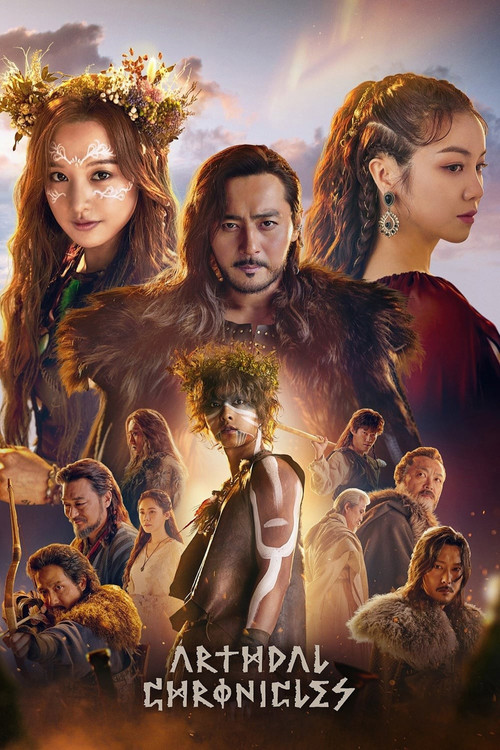
In the ancient land of Arth, the story begins in the city of Arthdal, where the ambitious and cunning warrior, Eunseom, is born. He is the son of a woman from the Wahan tribe, who is killed by the people of Arthdal. Eunseom is raised in the Wahan tribe, where he learns the ways of his people and the importance of their traditions. As he grows, he becomes aware of the harsh realities of the world around him, including the oppression faced by his tribe at the hands of the more powerful Arthdal citizens.
Meanwhile, in Arthdal, the nobleman Ta-gon is introduced as a key figure in the power struggles of the city. He is the son of the current leader, and he harbors ambitions to take control of Arthdal. Ta-gon is a skilled warrior and strategist, and he is willing to do whatever it takes to achieve his goals, including manipulating those around him. His relationship with his father is strained, as he seeks to prove himself worthy of leadership.
As Eunseom grows older, he witnesses the brutality of the Arthdal soldiers against his tribe. This fuels his desire for revenge and justice. He learns about the prophecy that speaks of a hero who will rise to unite the tribes and bring peace to the land. Eunseom believes he is destined to fulfill this prophecy, which drives him to seek out his true identity and purpose.
In a parallel storyline, we meet Tanya, a young woman from the Wahan tribe who possesses a unique ability to communicate with the spirits. She is deeply connected to her tribe's traditions and is seen as a potential leader. Tanya's journey begins when she is captured by the Arthdal soldiers during a raid on her village. She is taken to Arthdal, where she faces the harsh realities of being a prisoner and the struggles of adapting to a new life.
As Eunseom embarks on his quest for revenge, he encounters various challenges and allies. He meets a group of outcasts who share his desire for freedom from Arthdal's oppression. Together, they plan to rescue Tanya and other captives from the city. Eunseom's leadership qualities begin to emerge as he strategizes their escape, showcasing his determination and bravery.
In Arthdal, Ta-gon continues to maneuver politically, forming alliances with influential figures to strengthen his position. He becomes increasingly ruthless, eliminating anyone who poses a threat to his ambitions. His relationship with Tanya becomes complicated as he sees her as a valuable asset in his quest for power, while she views him as a symbol of the oppression her people face.
The tension escalates when Eunseom and his group successfully infiltrate Arthdal to rescue Tanya. They engage in a fierce battle against the guards, showcasing Eunseom's combat skills and the loyalty of his allies. The fight is intense, with close calls and moments of bravery as they navigate through the city. Eunseom's determination to save Tanya drives him forward, even as he faces overwhelming odds.
During the rescue, Eunseom and Tanya finally reunite, and their emotional connection deepens. Tanya, who has been struggling with her identity and purpose, finds strength in Eunseom's resolve. Together, they escape the clutches of Arthdal, but not without consequences. Ta-gon, enraged by their escape, vows to hunt them down and eliminate any threat to his power.
As the story progresses, Eunseom and Tanya's journey leads them to discover more about their heritage and the prophecy that binds them. They encounter other tribes and face various challenges that test their resolve and commitment to their cause. Eunseom's leadership is put to the test as he navigates the complexities of uniting the tribes against the oppressive forces of Arthdal.
The season culminates in a climactic confrontation between Eunseom's growing alliance of tribes and Ta-gon's forces. The battle is fierce, with high stakes as both sides fight for their beliefs and futures. Eunseom's determination to fulfill the prophecy and bring peace to the land is put to the ultimate test as he faces Ta-gon in a final showdown.
In the end, the season concludes with significant developments for all characters involved. Eunseom emerges as a leader, but the cost of his journey weighs heavily on him. Tanya embraces her role as a spiritual guide for her people, while Ta-gon is left to grapple with the consequences of his ambition. The stage is set for further conflict and resolution in the ongoing struggle for power and identity in Arthdal.






What is the ending?
At the end of "Arthdal Chronicles" Season 1, the fates of the main characters are intertwined with the ongoing conflict for power and identity in the land of Arth. Eunseom, having discovered his true heritage, faces a pivotal moment as he confronts the realities of his lineage and the expectations placed upon him. Tanya, who has been on a journey of self-discovery and leadership, finds herself at a crossroads as she grapples with her feelings for Eunseom and her responsibilities to her people. Meanwhile, Ta-gon, driven by ambition and a desire for control, solidifies his position of power but at a great personal cost. The season concludes with unresolved tensions, setting the stage for future conflicts and character developments.
As the final episodes unfold, the narrative begins with Eunseom, who has been captured by Ta-gon's forces. He is brought before Ta-gon, who seeks to use Eunseom's unique heritage as a means to solidify his own power. The tension in the room is palpable, as Eunseom stands defiant, refusing to be a pawn in Ta-gon's game. His internal struggle is evident; he is torn between the desire to protect his people and the weight of his lineage as the son of the legendary figure, the "Arthdal" hero.
In a parallel storyline, Tanya is rallying her people, the Wahan tribe, who have suffered under Ta-gon's oppressive rule. She is portrayed as a fierce leader, embodying the spirit of her ancestors. Her emotional state is one of determination mixed with fear, as she knows the stakes are high. She is driven by a vision of a united future for her people, but the burden of leadership weighs heavily on her shoulders.
As the climax approaches, the narrative shifts back to Ta-gon, who is preparing for a decisive battle. His ambition blinds him to the consequences of his actions, and he is increasingly isolated, even from those closest to him. The audience witnesses his internal conflict as he grapples with the sacrifices he has made in pursuit of power. His character is a study in ambition and the cost of leadership, as he becomes more ruthless in his quest.
The battle erupts, and the scenes are filled with chaos and visceral action. Eunseom, fighting for his people, showcases his strength and resilience. The cinematography captures the brutality of the conflict, with sweeping shots of the battlefield and close-ups of the characters' emotional turmoil. Tanya joins the fray, her resolve shining through as she fights alongside her people, embodying the hope for a better future.
In the heat of battle, Eunseom and Ta-gon finally confront each other. Their clash is not just physical but also ideological, representing the struggle between the old ways and the new order that Ta-gon seeks to impose. The fight is intense, filled with moments of desperation and determination. Eunseom's motivations are clear; he fights not just for himself but for the legacy of his people and the future of Arth.
As the dust settles, the aftermath of the battle reveals the fates of the main characters. Eunseom emerges victorious but is left with the heavy burden of leadership and the knowledge of his true identity. He stands amidst the ruins, contemplating the path ahead, aware that the fight for his people is far from over.
Tanya, having fought valiantly, is recognized as a leader among her people. Her journey of self-discovery culminates in her acceptance of her role, but she is also faced with the emotional fallout of her relationship with Eunseom. Their connection is strong, yet complicated by the realities of their respective destinies.
Ta-gon, on the other hand, is left to grapple with the consequences of his ambition. Though he retains his power, the cost has been high, and he is increasingly isolated. The final scenes depict him in a moment of reflection, hinting at the loneliness that accompanies his quest for dominance.
The season concludes with a sense of unresolved tension, as the characters are left to navigate the complexities of their identities and the future of Arth. The narrative leaves viewers with a powerful sense of anticipation for what lies ahead, as the characters' journeys are far from complete, and the conflicts that define their lives continue to evolve.
Is there a post-credit scene?
In "Arthdal Chronicles," Season 1, there is no post-credit scene. The series concludes its episodes without any additional scenes after the credits roll. The focus remains on the main narrative and character arcs throughout the episodes, leaving viewers with a sense of closure regarding the events that transpired in the storyline. The final moments of the last episode encapsulate the fates of the main characters and set the stage for potential developments in future seasons, but there are no extra scenes to further elaborate on the plot or characters after the credits.
What is the significance of the blue stone in Arthdal Chronicles?
The blue stone, known as the 'sacred stone,' is a powerful symbol in Arthdal Chronicles. It represents the connection between the people of Arthdal and their gods, believed to hold immense power and influence over the fate of the tribes. The stone is sought after by various characters, including Eunseom, who believes it can help him fulfill his destiny and protect his people.
How does Eunseom's identity as a half-blood affect his journey?
Eunseom's identity as a half-blood, being born of a Wahan mother and a noble father from Arthdal, shapes his entire journey. He faces prejudice and discrimination from both the Wahan tribe and the people of Arthdal. This internal conflict drives his motivations, as he seeks acceptance and a place where he belongs, while also grappling with the expectations placed upon him due to his lineage.
What role does Tanya play in the story, and how does her character develop?
Tanya, a member of the Wahan tribe, is a central character whose journey of self-discovery and empowerment is pivotal to the narrative. Initially portrayed as a healer with a strong connection to her tribe, she evolves into a leader who challenges the status quo. Her relationship with Eunseom deepens as they both navigate their identities and the challenges posed by their respective tribes, ultimately leading her to embrace her role in the larger conflict.
What are the motivations behind Ta-gon’s actions throughout the series?
Ta-gon, the ambitious and cunning leader of the Arthdal tribe, is driven by a desire for power and control. His motivations stem from a need to secure his position and legacy, often leading him to make ruthless decisions. His complex character is marked by a blend of charisma and manipulation, as he seeks to unify the tribes under his rule while battling his own insecurities and the threat posed by Eunseom.
How does the relationship between Eunseom and Tanya evolve throughout the season?
The relationship between Eunseom and Tanya is central to the emotional core of the series. Initially, they are united by their shared struggles and the harsh realities of their world. As they face external threats and personal challenges, their bond deepens, evolving from friendship to a romantic connection. Their love is tested by the societal divisions and conflicts between their tribes, ultimately highlighting themes of loyalty, sacrifice, and the quest for identity.
Is this family friendly?
"Arthdal Chronicles" is a fantasy drama that contains several elements that may not be suitable for children or sensitive viewers. Here are some potentially objectionable or upsetting aspects:
-
Violence and Warfare: The series features battles and conflicts between tribes, showcasing graphic violence, bloodshed, and the harsh realities of war.
-
Death and Loss: Characters experience significant loss, including the deaths of loved ones, which can be emotionally intense and distressing.
-
Sacrifice and Betrayal: Themes of betrayal and sacrifice are prevalent, leading to emotional turmoil for characters, which may be upsetting for younger viewers.
-
Cultural Practices: The show depicts various cultural rituals and practices that may be considered harsh or unsettling, including those related to power struggles and societal hierarchies.
-
Complex Relationships: The series explores complicated relationships, including themes of manipulation, ambition, and moral ambiguity, which may be difficult for younger audiences to understand.
-
Emotional Turmoil: Characters often face deep emotional struggles, including feelings of isolation, revenge, and existential crises, which can be heavy and thought-provoking.
These elements contribute to a mature narrative that may not be appropriate for all viewers, particularly children.









