






Popular
What challenges does Sora face in trying to join the basketball team?
How does Sora's relationship with his teammates evolve throughout the series?
What role does Sora's mother play in his motivation to play basketball?
How does the character of Chiaki influence Sora's development as a player?
What is the significance of the basketball matches in Sora's journey?
Should I watch it?
Ask Your Own Question

What is the plot?
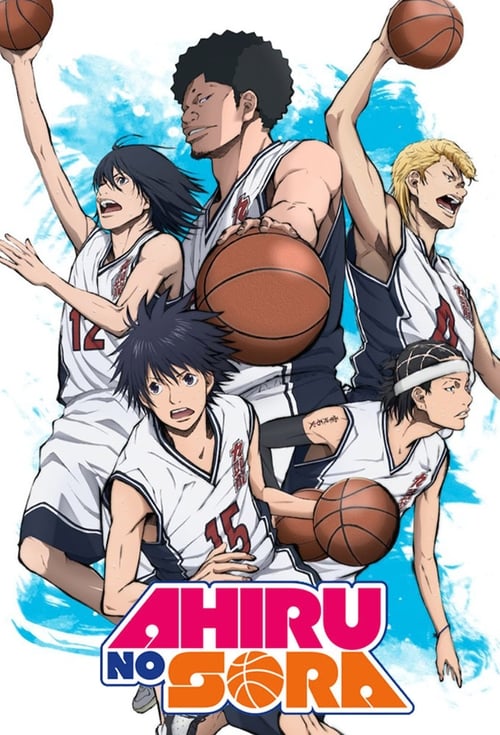
Ahiru No Sora begins with the introduction of the protagonist, Sora Kurumatani, a high school freshman who is passionate about basketball. Sora, who is short in stature, has a deep love for the game, inspired by his mother, who was a former basketball player. He dreams of joining the basketball club at Kuranosuke High School, where he hopes to make a name for himself and prove that height is not the only factor in being a great player.
Upon arriving at Kuranosuke High, Sora is excited to join the basketball club, but he quickly discovers that the team is in disarray. The club is filled with delinquents who have little interest in basketball, led by the intimidating and skilled player, Kōsuke Shimizu. Sora's enthusiasm is met with skepticism and ridicule from the team members, who are more focused on their own issues than on the sport itself. Despite this, Sora remains determined to change the team's culture and bring them together.
Sora's first major challenge comes when he tries to convince the team to practice seriously. He faces resistance from Kōsuke and the other members, who mock his passion and commitment. However, Sora's persistence begins to wear on them, and he manages to impress them with his skills during a practice match. This sparks a glimmer of interest in basketball among the team members, particularly in Kōsuke, who starts to see Sora as a worthy opponent.
As the story progresses, Sora learns more about the backgrounds of his teammates. He discovers that Kōsuke has a troubled past, including a history of violence and a strained relationship with his family. Sora's empathy towards Kōsuke and his desire to help him find a better path becomes a driving force in the narrative. Sora's unwavering belief in the power of teamwork and friendship begins to influence the other players, slowly transforming the team's dynamics.
The team faces various challenges, including internal conflicts and external pressures from rival schools. Sora's determination to improve himself and the team leads to intense training sessions, where he pushes his teammates to their limits. The emotional stakes rise as Sora's bond with Kōsuke deepens, and they begin to understand each other's struggles. This culminates in a pivotal moment where Kōsuke decides to take basketball seriously, inspired by Sora's unwavering spirit.
As the season progresses, the team starts to gain momentum, winning matches and building camaraderie. However, they also face setbacks, including injuries and personal issues that threaten to derail their progress. Sora's leadership is tested as he navigates these challenges, striving to keep the team united and focused on their goals.
The climax of the series occurs during the regional tournament, where Kuranosuke High faces off against a formidable opponent. The match is intense, showcasing the growth of the team and the individual players. Sora's skills shine as he leads the team, but they also face moments of doubt and fear. Kōsuke, now fully committed to the sport, steps up as a key player, demonstrating his growth and the impact of Sora's friendship.
In the final moments of the tournament, the game reaches a nail-biting conclusion. Sora's determination and strategic thinking come into play as he makes crucial decisions on the court. The team rallies together, showcasing their newfound teamwork and resilience. The match ends with a dramatic finish, leaving the outcome uncertain until the very last second.
Ultimately, Kuranosuke High's basketball team does not win the tournament, but they emerge as a stronger unit, having forged deep bonds and personal growth. Sora's journey from an outsider to a leader is complete, and he has successfully transformed the team into a group that values friendship, hard work, and the love of the game. The series concludes with a sense of hope and the promise of future challenges, as Sora and his teammates look forward to continuing their basketball journey together.

What is the ending?
In the ending of "Ahiru no Sora," the basketball team faces a crucial match against a strong rival, culminating in a hard-fought game that tests their growth and determination. Sora, the protagonist, showcases his skills and leadership, while the team members confront their personal struggles and insecurities. Ultimately, they learn the value of teamwork and friendship, leading to a bittersweet but hopeful conclusion.
As the final episodes unfold, the atmosphere is charged with anticipation. The scene opens in the gym, where the team is preparing for the decisive match against the formidable Kisaragi High School. The air is thick with tension, and the players are visibly nervous, each grappling with their own fears and doubts. Sora, with his unwavering spirit, rallies his teammates, reminding them of how far they have come together. His passion for basketball shines through, igniting a spark of determination in the others.
The game begins, and the camera captures the intensity of the court. Kisaragi's players are skilled and aggressive, quickly establishing a lead. Sora, however, remains undeterred. He pushes himself to the limit, weaving through defenders with agility and precision. The animation highlights his determination, showcasing his signature moves as he scores points, igniting cheers from the crowd.
As the match progresses, the focus shifts to the other team members, each facing their own challenges. Chiaki, who has struggled with self-doubt, finds his confidence as he makes crucial plays, while the once-rebellious players, like the hot-headed Kō and the laid-back Nao, begin to understand the importance of working together. Their growth is palpable, and the audience can feel the emotional weight of their journey.
Midway through the game, the tide turns as Kisaragi's lead begins to dwindle. The team's synergy improves, and they start to play as a cohesive unit. Sora's leadership becomes more pronounced, as he encourages his teammates, reminding them of their shared dreams and the bonds they have forged. The scenes are filled with close-ups of their faces, revealing a mix of determination, fear, and hope.
As the final quarter approaches, the score is neck and neck. The tension is palpable, and the stakes are higher than ever. Sora, now fully in his element, makes a daring play that leads to a crucial basket, putting them ahead for the first time. The crowd erupts in cheers, and the team's spirits soar. However, Kisaragi responds fiercely, and the game becomes a back-and-forth battle, with both teams refusing to back down.
In the final moments of the game, with only seconds left on the clock, Sora finds himself with the ball. The weight of the moment hangs heavy as he recalls the struggles and sacrifices of his teammates. He takes a deep breath, channeling all his emotions into one final shot. The scene slows down, capturing the tension as he releases the ball, and time seems to stand still. The shot arcs beautifully through the air, and the gym holds its breath.
The ball swishes through the net, and the gym erupts in jubilation. The team has won, but the victory is bittersweet. As the players embrace, tears of joy and relief flow. They have not only won a game but have also grown as individuals and as a team. Each character reflects on their journey, realizing that the true victory lies in their newfound camaraderie and resilience.
In the aftermath, the team celebrates their hard-earned victory, but the narrative does not shy away from the challenges that lie ahead. Sora, now more confident than ever, looks forward to the future, knowing that this is just the beginning of their journey. The final scenes show the team practicing together, laughing, and supporting one another, solidifying their bond.
As the credits roll, viewers are left with a sense of hope and anticipation for what lies ahead for Sora and his friends. Each character has faced their demons and emerged stronger, embodying the spirit of perseverance and teamwork that defines "Ahiru no Sora."
Is there a post-credit scene?
In the 2019 anime "Ahiru no Sora," there is no post-credit scene. The series concludes without any additional scenes after the credits roll. The final episodes focus on the culmination of the characters' growth and the resolution of their basketball journey, particularly highlighting Sora's development and the team's dynamics. The absence of a post-credit scene allows the emotional weight of the finale to resonate without any further distractions, leaving viewers with a sense of closure regarding the characters' arcs and their future in basketball.
What challenges does Sora face in trying to join the basketball team?
Sora, a short and determined high school freshman, faces numerous challenges in his quest to join the basketball team at Kuzuryuu High School. Initially, he is met with skepticism and ridicule from the existing team members, particularly from the intimidating and skilled players who doubt his abilities due to his height. Sora's passion for basketball drives him to confront these obstacles head-on, showcasing his resilience and unwavering spirit. He struggles with feelings of inadequacy but is motivated by his desire to honor his mother's legacy and prove himself. As he navigates the harsh dynamics of the team, he also grapples with the emotional weight of his past experiences, including the bullying he faced in middle school.
How does Sora's relationship with his teammates evolve throughout the series?
Sora's relationship with his teammates evolves significantly throughout the series. Initially, he is seen as an outsider, facing hostility and mockery from players like the hot-headed and talented Chiaki. However, as Sora demonstrates his dedication and skill, particularly through his unique playing style and determination, he begins to earn their respect. Key moments, such as his willingness to stand up for his teammates and his ability to inspire them during tough practices, help to break down barriers. Over time, bonds form, especially with characters like the laid-back and supportive Kuroda, who becomes a mentor figure. The team gradually transforms from a group of individuals into a cohesive unit, united by their shared love for basketball and their growing camaraderie.
What role does Sora's mother play in his motivation to play basketball?
Sora's mother plays a pivotal role in his motivation to play basketball, serving as both an inspiration and a source of emotional strength. Throughout the series, Sora reflects on the sacrifices she made to support his passion for the sport, instilling in him a deep sense of gratitude and responsibility. Her unwavering belief in his potential fuels his determination to succeed, even when faced with adversity. Flashbacks reveal their close bond, highlighting moments where she encouraged him to pursue his dreams despite his height. This emotional connection drives Sora to push beyond his limits, as he strives not only to prove himself but also to honor her legacy by becoming the player she always believed he could be.
How does the character of Chiaki influence Sora's development as a player?
Chiaki, a talented and initially antagonistic player on the Kuzuryuu basketball team, significantly influences Sora's development as a player. At first, Chiaki's aggressive demeanor and dismissive attitude towards Sora serve as a major hurdle for him. However, as the story progresses, Chiaki's competitive nature pushes Sora to elevate his game. Their rivalry becomes a catalyst for Sora's growth, as he learns to adapt and refine his skills in response to Chiaki's challenges. Key moments, such as intense practice sessions and confrontations during games, force Sora to confront his weaknesses and develop a stronger mental fortitude. Ultimately, Chiaki's influence transforms from one of hostility to a begrudging respect, as both players recognize each other's dedication and passion for basketball.
What is the significance of the basketball matches in Sora's journey?
The basketball matches in Sora's journey serve as crucial turning points that highlight his growth, resilience, and the evolving dynamics within the team. Each match is not just a test of skill but also an emotional battleground where Sora confronts his fears and insecurities. The intensity of the games showcases the stakes involved, as Sora battles not only rival teams but also his own self-doubt. Key matches reveal the development of teamwork and strategy, as Sora learns to trust his teammates and play to their strengths. The outcomes of these matches often reflect Sora's internal struggles, with victories symbolizing personal triumphs and losses serving as lessons in humility and perseverance. Ultimately, these basketball matches are integral to Sora's journey, shaping him into a more confident and capable player.
Is this family friendly?
"Ahiru no Sora" is generally considered suitable for a family audience, but it does contain some themes and scenes that may be objectionable or upsetting for children or sensitive viewers. Here are a few aspects to be aware of:
-
Bullying and Violence: The series depicts instances of bullying among students, which can be distressing. Characters face physical confrontations and emotional intimidation, reflecting the harsh realities of school life.
-
Emotional Struggles: Characters deal with personal issues such as self-doubt, depression, and the pressure to succeed in sports. These themes may resonate deeply and could be upsetting for some viewers.
-
Family Issues: There are moments that explore family dynamics, including strained relationships and the impact of parental expectations, which may evoke strong emotions.
-
Physical Altercations: Basketball games can become intense, leading to rough play and injuries, which might be concerning for younger viewers.
-
Mature Themes: The show touches on themes of friendship, rivalry, and personal growth, which may include moments of emotional intensity that could be challenging for sensitive viewers.
Overall, while "Ahiru no Sora" is centered around sports and personal development, it does address serious themes that may require parental guidance for younger audiences.