














Popular
What is the significance of the shadows in Summer Time Rendering?
How does Shinpei Ajiro's relationship with Ushio affect the story?
What role does Mio Ajiro play in the narrative?
What are the implications of the time loop for Shinpei's character development?
How does the setting of the island influence the events of the story?
Should I watch it?
Ask Your Own Question

What is the plot?
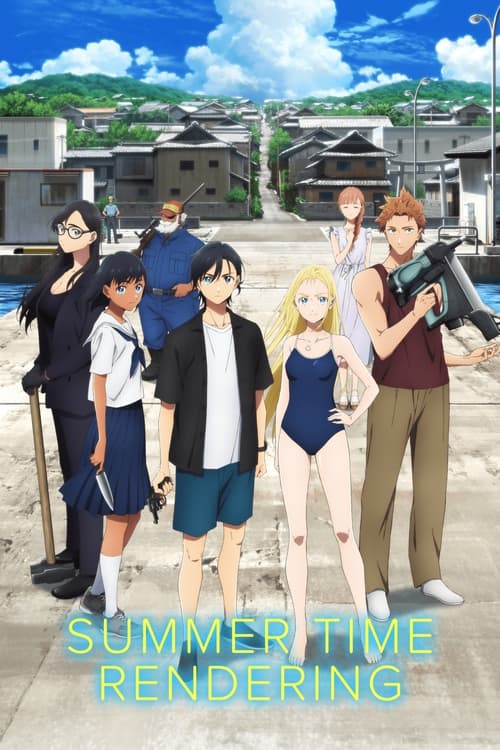
Shinpei Ajiro returns to his hometown of Hitogashima for the funeral of his childhood friend, Ushio Kofune, who drowned under mysterious circumstances. As he arrives, he is greeted by his childhood friends, including Mio, Ushio's younger sister, and the local residents. The atmosphere is heavy with grief, and Shinpei feels a sense of unease as he recalls his memories of Ushio. He learns that Ushio had been investigating strange occurrences on the island before her death, which adds to his concern.
During the funeral, Shinpei is approached by Mio, who expresses her sorrow and confusion over Ushio's death. Shinpei comforts her, but he is haunted by the feeling that something is off about the situation. Later that night, he is visited by Ushio's spirit, who warns him that he is in danger and that he must uncover the truth behind her death. She tells him to be careful of the shadows, which are connected to the island's dark history.
The next day, Shinpei begins to investigate Ushio's death further. He visits the beach where she drowned and discovers a strange mark in the sand that resembles a shadow. He also encounters a mysterious girl named Shide, who seems to know more about the shadows than she lets on. Shinpei's curiosity deepens, and he starts to piece together the connection between the shadows and the island's past.
As Shinpei continues his investigation, he learns about the concept of "shadow clones," which are doppelgängers that can replace people. He realizes that Ushio's death may not have been an accident but rather a result of these shadow clones. This revelation leads him to confront Shide, who reveals that the shadows are a manifestation of people's fears and desires. Shinpei is determined to protect Mio and uncover the truth, but he feels increasingly overwhelmed by the shadows' influence.
In a pivotal moment, Shinpei decides to confront the shadows directly. He gathers his friends, including Mio and other locals, to discuss the situation. They devise a plan to investigate the shadows further and protect themselves from potential attacks. As they prepare, Shinpei feels a growing sense of responsibility for his friends' safety, especially Mio's.
The group sets out to explore the island's hidden locations, including an abandoned shrine that is rumored to be connected to the shadows. As they delve deeper, they encounter various shadow clones that attack them. In a tense confrontation, Shinpei and his friends fight back, using their wits and teamwork to fend off the shadows. The battle is chaotic, with each character showcasing their strengths and vulnerabilities.
After the confrontation, Shinpei discovers that the shadows are not just mindless creatures; they have their own motivations and desires. This realization complicates his understanding of the situation, as he grapples with the moral implications of fighting against beings that may have once been human. He becomes more determined to find a way to coexist with the shadows rather than simply destroy them.
As the story progresses, Shinpei learns that Ushio's death is intricately tied to the shadows and the island's history. He uncovers a dark secret involving a ritual that was performed long ago, which led to the creation of the shadows. This revelation forces him to confront the island's past and the consequences of the actions taken by its inhabitants.
In a climactic moment, Shinpei faces off against the main antagonist, who has been manipulating the shadows for their own gain. The confrontation is intense, with Shinpei using everything he has learned to combat the antagonist's powers. The battle is filled with emotional stakes, as Shinpei fights not only for his own life but for the lives of his friends and the future of the island.
Ultimately, Shinpei manages to defeat the antagonist, but not without significant sacrifices. The victory comes at a cost, as some of his friends are lost in the process. In the aftermath, Shinpei reflects on the events that transpired and the impact they had on him and the island. He vows to honor Ushio's memory and ensure that the truth about the shadows is known, hoping to prevent future tragedies.
The series concludes with Shinpei and Mio standing together, looking out over the ocean. They share a moment of understanding and resolve, knowing that while the shadows may always be a part of their lives, they have the strength to face whatever comes next. The final scene hints at the lingering presence of the shadows, leaving the door open for future challenges.
More TV Shows Like This
Browse All TV Shows →




What is the ending?
In the ending of "Summer Time Rendering," Shinpei Ajiro confronts the truth about the shadows and the cycle of death and rebirth on the island. He ultimately sacrifices himself to save his friends and break the cycle, allowing them to live. The series concludes with a sense of hope as the remaining characters move forward, free from the shadows' curse.
As the final episodes unfold, Shinpei Ajiro stands at the precipice of the truth he has been chasing throughout the series. The atmosphere is thick with tension as he prepares for the ultimate confrontation with the shadows that have plagued his island home. The sun hangs low in the sky, casting long shadows that seem to whisper of the past and the horrors that have unfolded.
Scene 1: The Confrontation Shinpei gathers his friends, including Mio and Ushio, in a secluded area where they can strategize. The air is heavy with anxiety, each character grappling with their fears and the weight of their past experiences. Shinpei's determination shines through, but he is also haunted by the memories of those he has lost. He explains the cycle of death and rebirth that the shadows have created, revealing that he has been caught in a loop, dying repeatedly to uncover the truth. His friends listen intently, their expressions a mix of fear and hope.
Scene 2: The Plan With a plan in place, they set out to confront the shadow of Haine, the source of the chaos. The group moves through the island, the familiar landscapes now tinged with a sense of dread. Each character reflects on their personal stakes in this battle. Mio, filled with a fierce resolve, recalls her sister's sacrifice, while Ushio, ever the protector, is determined to keep Shinpei safe. The camaraderie among them is palpable, underscoring their shared history and the bonds that have formed through their trials.
Scene 3: The Final Battle The climactic battle takes place at the heart of the island, where the shadows gather. The scene is chaotic, filled with flashes of light and dark as Shinpei and his friends fight against the relentless onslaught of the shadows. Shinpei's internal struggle is evident; he knows that to truly end the cycle, he must make the ultimate sacrifice. As he fights, he recalls the faces of those he has lost, fueling his resolve. The emotional weight of his decision hangs heavily in the air, and the stakes have never been higher.
Scene 4: The Sacrifice In a moment of clarity, Shinpei realizes that the only way to break the cycle is to confront his own death. He makes the heart-wrenching decision to sacrifice himself, using his remaining strength to protect his friends. As he falls, time seems to slow, and he shares a final, poignant moment with Ushio and Mio, expressing his love and gratitude for their friendship. The scene is filled with a bittersweet beauty, as the sun sets behind them, symbolizing both an end and a new beginning.
Scene 5: The Aftermath With Shinpei's sacrifice, the shadows begin to dissipate, and the cycle is finally broken. Mio and Ushio, along with the other survivors, stand in the aftermath, the weight of their loss palpable. They mourn Shinpei but also feel a sense of liberation. The island, once shrouded in darkness, begins to heal. The remaining characters reflect on their journey, their faces illuminated by the dawn of a new day. They vow to honor Shinpei's memory by living their lives fully, free from the shadows that once haunted them.
Scene 6: A New Beginning In the final moments, the camera pans over the island, now bathed in sunlight. The characters are seen moving forward, each taking steps toward their futures. Mio, with a newfound strength, decides to carry on her sister's legacy, while Ushio embraces the life ahead of her, cherishing the memories of Shinpei. The series closes with a sense of hope, emphasizing the themes of friendship, sacrifice, and the resilience of the human spirit in the face of darkness. The cycle may have ended, but the bonds formed through their struggles will last a lifetime.
Is there a post-credit scene?
In the anime series "Summer Time Rendering," there is indeed a post-credit scene that adds an intriguing layer to the story. After the main credits roll, the scene opens with a serene view of the island, bathed in the soft light of dawn. The atmosphere is calm, but there is an underlying tension that hints at unresolved mysteries.
The scene shifts to a close-up of Shinpei Ajiro, the protagonist, who appears contemplative as he stands on the beach, gazing out at the ocean. His expression is a mix of relief and lingering concern, reflecting the emotional turmoil he has experienced throughout the series. The waves gently lap at the shore, creating a rhythmic sound that contrasts with the weight of his thoughts.
As he turns away from the water, the camera pans to reveal a figure in the distance. It's Ushio, his childhood friend, who seems to be waiting for him. The sight of her brings a flicker of hope to Shinpei's face, but there's also a hint of uncertainty in his eyes, suggesting that the challenges they faced may not be entirely behind them.
The scene concludes with a lingering shot of the two characters, emphasizing their bond and the unresolved nature of their journey. The screen fades to black, leaving viewers with a sense of anticipation and the feeling that their story is far from over. This post-credit moment encapsulates the themes of connection and the cyclical nature of time that permeate the series, inviting speculation about what lies ahead for Shinpei and Ushio.
What is the significance of the shadows in Summer Time Rendering?
The shadows in Summer Time Rendering are central to the plot, representing doppelgängers that can mimic and replace individuals. They embody the fears and hidden aspects of the characters, particularly the protagonist, Shinpei Ajiro, who must confront these manifestations to uncover the truth behind the mysterious deaths on the island.
How does Shinpei Ajiro's relationship with Ushio affect the story?
Shinpei's relationship with Ushio is pivotal as it drives his motivations throughout the series. Their bond is deepened by shared childhood memories and a sense of duty to protect her. When Ushio is killed, Shinpei's grief propels him into a time loop, where he desperately seeks to save her, highlighting themes of love, loss, and the lengths one will go to for those they care about.
What role does Mio Ajiro play in the narrative?
Mio Ajiro, Shinpei's childhood friend and Ushio's sister, plays a crucial role as she becomes embroiled in the mystery surrounding the shadows. Her character evolves from a supportive figure to one who must confront her own fears and the reality of the shadows, ultimately becoming a key ally in Shinpei's quest to unravel the truth and protect her family.
What are the implications of the time loop for Shinpei's character development?
The time loop serves as a narrative device that forces Shinpei to confront his past, his relationships, and the consequences of his actions. Each iteration of the loop reveals more about his character, showcasing his growth from a passive observer to an active participant who learns to strategize and make sacrifices for the greater good, ultimately shaping his identity and resolve.
How does the setting of the island influence the events of the story?
The island setting is integral to the story, creating an isolated environment that heightens the tension and mystery. Its unique geography, with cliffs and dense forests, serves as both a backdrop for the unfolding drama and a character in itself, as the island's history and secrets are intertwined with the shadows and the fate of its inhabitants, amplifying the sense of dread and urgency in Shinpei's quest.
Is this family friendly?
"Summer Time Rendering" contains several elements that may not be suitable for children or sensitive viewers. Here are some potentially objectionable or upsetting aspects:
-
Death and Violence: The series features scenes of death, including graphic depictions of characters being killed or injured. This can be distressing for younger audiences.
-
Supernatural Horror Elements: The presence of shadowy figures and the concept of doppelgängers can create a tense and frightening atmosphere, which may be unsettling for some viewers.
-
Psychological Tension: The narrative explores themes of loss, grief, and the psychological impact of trauma, which may resonate deeply and evoke strong emotions.
-
Mature Themes: The story delves into complex relationships, including themes of betrayal and revenge, which may be difficult for younger viewers to fully understand.
-
Emotional Distress: Characters experience significant emotional turmoil, including fear, despair, and anxiety, which could be overwhelming for sensitive individuals.
Overall, while the series has a compelling narrative, its darker themes and intense scenes may not be appropriate for all audiences.