














Popular
What is the significance of the shadows in Summer Time Rendering?
How does Shinpei's relationship with Ushio evolve throughout the series?
What role does the island setting play in the story?
Who are the key characters involved in the time loop, and what are their motivations?
What is the connection between Shinpei and the mysterious events surrounding Ushio's death?
Should I watch it?
Ask Your Own Question

What is the plot?
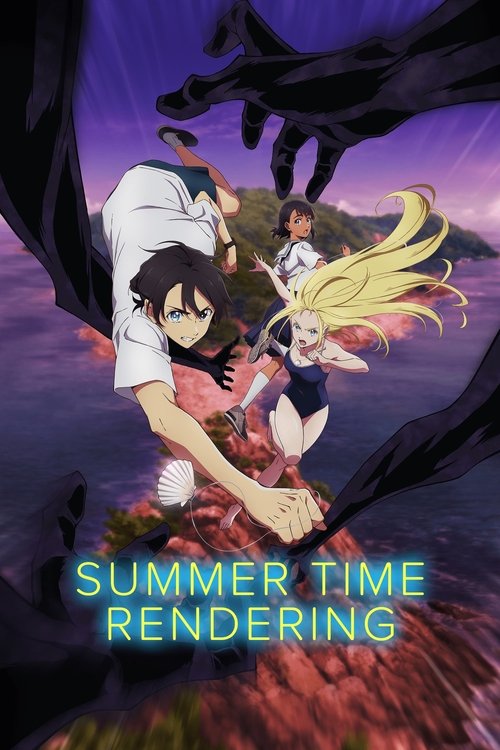
Shinpei Ajiro returns to his hometown of Hitogashima Island for the funeral of his childhood friend, Ushio Kofune, who drowned while saving a girl. As he arrives, he is greeted by his childhood friends, including Mio, Ushio's younger sister. The atmosphere is somber, and Shinpei feels a deep sense of loss. He reminisces about his past with Ushio and the bond they shared. During the funeral, Shinpei notices strange occurrences, including a mysterious figure watching him from a distance.
After the funeral, Shinpei stays at Ushio's family home, where he begins to experience unsettling dreams. In these dreams, he sees Ushio alive and learns that she had been investigating a series of mysterious deaths on the island. He wakes up confused and troubled, questioning the nature of his dreams. As he interacts with Mio and other locals, he learns more about the island's dark history, including the legend of the "Shadows," entities that can take on the appearance of people.
Shinpei discovers that Ushio had been trying to uncover the truth behind these Shadows before her death. He finds a hidden message from Ushio, urging him to be careful and to look for the truth. This revelation drives him to dig deeper into the mystery surrounding her death. He begins to suspect that Ushio's death was not an accident but rather connected to the Shadows.
As Shinpei investigates, he encounters a series of strange events, including people acting out of character and the appearance of doppelgängers. He learns that the Shadows can replicate individuals, and he becomes increasingly paranoid about who he can trust. His interactions with Mio become more intense as they both grapple with their grief and the looming threat of the Shadows.
One night, Shinpei is attacked by a Shadow that takes the form of Ushio. In a desperate struggle, he manages to escape, but the encounter leaves him shaken. He confides in Mio about his experiences, and they decide to work together to uncover the truth. They begin to gather information from other residents, piecing together the history of the Shadows and their connection to the island.
As Shinpei and Mio delve deeper, they discover that the Shadows are linked to a ritual that involves sacrificing individuals to maintain the balance of the island. They learn that Ushio had been trying to stop this ritual, which puts them in grave danger. The tension escalates as they realize that the Shadows are aware of their investigation and are actively trying to eliminate them.
In a pivotal moment, Shinpei confronts the Shadow of Ushio again, leading to a fierce battle. He uses his knowledge of the Shadows' weaknesses to gain the upper hand, but the fight takes a toll on him emotionally. He is haunted by the fact that he is fighting against a version of his friend. After a harrowing struggle, he manages to defeat the Shadow, but the victory is bittersweet as he mourns the loss of Ushio.
As the story progresses, Shinpei discovers that he has the ability to "reset" time, allowing him to relive moments and make different choices. This power becomes crucial as he attempts to save Ushio and prevent the cycle of death and sacrifice from continuing. Each reset reveals new information and perspectives, deepening the mystery and the stakes.
With each iteration, Shinpei grows more determined to protect Mio and uncover the truth about the Shadows. He faces moral dilemmas as he grapples with the consequences of his actions and the impact on those around him. The emotional weight of his choices becomes increasingly apparent as he navigates the complexities of friendship, loss, and the fight against the Shadows.
In the climax, Shinpei confronts the source of the Shadows, leading to a dramatic showdown that tests his resolve and the bonds he has formed. The battle is intense, filled with twists and turns as Shinpei utilizes everything he has learned. The stakes are higher than ever as he fights not only for his life but for the lives of those he cares about.
Ultimately, Shinpei's journey culminates in a heart-wrenching decision that will determine the fate of the island and its inhabitants. He must confront the reality of his powers and the sacrifices required to protect those he loves. The resolution of the conflict leaves a lasting impact on Shinpei, Mio, and the community, as they grapple with the aftermath of the events and the lingering presence of the Shadows.


What is the ending?
In the ending of "Summer Time Rendering," Shinpei Ajiro confronts the truth about the shadows and their connection to the island. After a series of intense battles and emotional revelations, he ultimately sacrifices himself to save his friends and break the cycle of death caused by the shadows. The story concludes with a sense of hope as the remaining characters begin to heal and move forward, free from the shadows' curse.
As the final episodes unfold, the tension escalates on the island, where Shinpei Ajiro has been caught in a time loop, repeatedly reliving the same events. The stakes are higher than ever as he realizes that the shadows, which have been terrorizing the island, are manifestations of the deceased, particularly the shadow of his childhood friend, Ushio.
In the penultimate scenes, Shinpei gathers his friends, including Mio and Sou, to devise a plan to confront the shadow of Ushio. They understand that to defeat the shadows, they must confront the truth of their existence and the pain that binds them. The atmosphere is thick with urgency and fear, as they prepare for the final confrontation. Each character is driven by their own motivations: Shinpei is fueled by his desire to protect his friends and honor Ushio's memory, while Mio grapples with her feelings of loss and determination to save her sister.
The climax occurs at the shrine, where the shadows converge. Shinpei, armed with the knowledge he has gained from his repeated loops, faces Ushio's shadow. The emotional weight of the moment is palpable as he pleads with her, trying to reach the part of her that is still his friend. The battle is fierce, with Shinpei using all his strength and the support of his friends to fight against the shadows. The animation captures the intensity of their struggle, with vibrant colors contrasting the dark, ominous presence of the shadows.
In a heart-wrenching moment, Shinpei realizes that to truly save everyone, he must sacrifice himself. He understands that his death is the key to breaking the cycle of the shadows. With tears in his eyes, he bids farewell to his friends, expressing his love and gratitude for their companionship. The scene is filled with emotional resonance as he embraces his fate, knowing that his sacrifice will allow them to live free from the shadows' curse.
As Shinpei fades away, the remaining characters are left in shock, but they soon feel a shift in the atmosphere. The shadows begin to dissipate, and the island is bathed in light. Mio and Sou, along with the other survivors, realize that they are finally free. The emotional release is profound, as they come to terms with their grief and loss, but also with the hope that Shinpei's sacrifice has brought them.
In the final moments, the surviving characters stand together, looking out over the ocean. They reflect on their journey, the bonds they have formed, and the memories of those they have lost. The scene is serene, filled with a sense of closure and the promise of new beginnings. The camera pans out, showing the island in its natural beauty, symbolizing the peace that has been restored.
The fate of each main character is sealed in this moment of reflection. Shinpei, having sacrificed himself, becomes a hero in the eyes of his friends. Mio and Sou, now free from the shadows, are left to carry on his legacy, cherishing the memories of their time together. The story concludes with a sense of hope, emphasizing the themes of friendship, sacrifice, and the enduring power of love, even in the face of death.
Is there a post-credit scene?
In "Summer Time Rendering," Season 1, there is indeed a post-credit scene that adds an intriguing layer to the narrative. After the main credits roll, the scene opens with a serene view of the island, bathed in the soft glow of twilight. The atmosphere is calm, but there's an underlying tension that hints at the unresolved mysteries of the story.
The camera pans to a secluded area near the shore, where we see a figure standing alone, gazing out at the ocean. As the waves crash gently against the rocks, the figure is revealed to be Shinpei, the protagonist. His expression is contemplative, filled with a mix of determination and uncertainty. He seems to be reflecting on the events that have transpired, the losses he has faced, and the weight of the choices he must make moving forward.
Suddenly, the tranquility is disrupted by a faint sound, almost like a whisper carried by the wind. Shinpei's eyes widen, and he turns his head slightly, as if sensing something ominous approaching. The scene cuts to a close-up of his face, showcasing the conflict within him--his resolve to protect his friends and the fear of the unknown that looms ahead.
The screen then fades to black, leaving viewers with a lingering sense of suspense and anticipation for what is to come in the next chapter of the story. This post-credit scene effectively encapsulates the themes of time, fate, and the struggle against unseen forces, setting the stage for the unfolding drama in future episodes.
What is the significance of the shadows in Summer Time Rendering?
The shadows in Summer Time Rendering are central to the plot, representing doppelgängers that can mimic and replace individuals. They embody the fears and secrets of the characters, creating a sense of paranoia and urgency as the protagonist, Shinpei, tries to uncover the truth behind their existence and the mystery of his childhood friend, Ushio.
How does Shinpei's relationship with Ushio evolve throughout the series?
Shinpei's relationship with Ushio is deeply emotional and complex. Initially, he is haunted by her death, which propels him into a time loop where he seeks to save her. As he relives the same events, he grapples with his feelings of guilt, love, and determination, ultimately leading to a profound bond that transcends life and death.
What role does the island setting play in the story?
The island serves as a claustrophobic and mysterious backdrop that amplifies the tension and isolation felt by the characters. Its unique geography, with hidden caves and dense forests, becomes a character in itself, influencing the plot as Shinpei navigates its secrets and confronts the shadows that threaten his friends and family.
Who are the key characters involved in the time loop, and what are their motivations?
Key characters involved in the time loop include Shinpei, who is motivated by his desire to save Ushio; Mio, Ushio's sister, who seeks to protect her family; and the various shadows, which have their own agendas. Each character's motivations intertwine, creating a web of alliances and betrayals that drive the narrative forward.
What is the connection between Shinpei and the mysterious events surrounding Ushio's death?
Shinpei's connection to Ushio's death is deeply personal; he feels responsible for not being able to save her. As he investigates the circumstances of her death, he uncovers layers of deception and the existence of the shadows, which are tied to Ushio's fate. This connection fuels his determination to alter the past and protect those he loves.
Is this family friendly?
"Summer Time Rendering" contains several elements that may not be suitable for children or sensitive viewers. Here are some potentially objectionable or upsetting aspects:
-
Death and Violence: The series features scenes of death, including graphic depictions of violence and characters being harmed. This can be distressing for younger audiences.
-
Supernatural Horror Elements: The show includes horror themes, such as eerie atmospheres, unsettling imagery, and supernatural occurrences that may be frightening.
-
Psychological Tension: There are moments of intense psychological stress and emotional turmoil experienced by characters, which could be overwhelming for sensitive viewers.
-
Themes of Grief and Loss: The narrative explores heavy themes related to loss, mourning, and the impact of death on relationships, which may resonate deeply and evoke strong emotions.
-
Mature Themes: The story delves into complex adult themes, including existential dread and the consequences of one's actions, which may not be easily understood by younger audiences.
These elements contribute to a darker tone that may not be appropriate for all viewers, particularly children.