



















Popular
Should I watch it?
Ask Your Own Question

What is the plot?
Sorry, we aren't able to watch and write up a full detailed plot yet. Check back in a few days.







What is the ending?
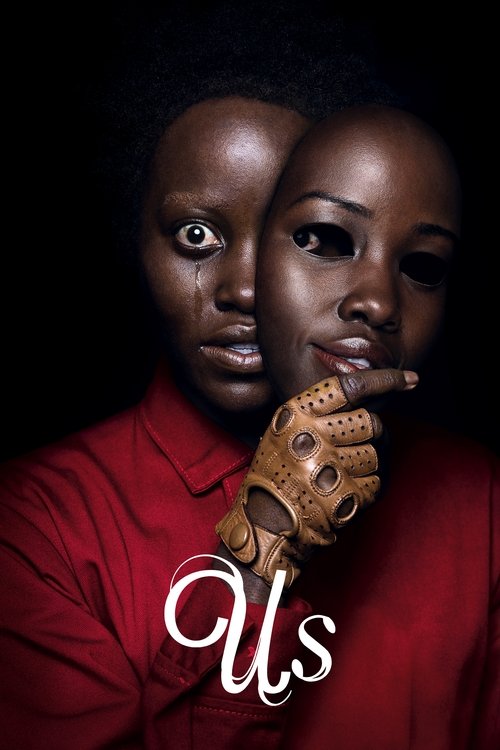
In the ending of "Us," Adelaide fights against her doppelgänger, Red, in a tense confrontation. After a harrowing struggle, Adelaide manages to kill Red and reunites with her son, Jason. They escape the underground tunnels and find their family car. As they drive away, they see the chaos unfolding across the country, with countless tethered attacking their counterparts. The film concludes with a haunting image of Adelaide's expression, suggesting a deeper connection to the events that transpired.
Now, let's delve into the ending in a more detailed narrative fashion:
As the climax of "Us" unfolds, the tension reaches its peak in the underground tunnels where Adelaide faces off against her doppelgänger, Red. The dimly lit space is filled with the echoes of their struggle, a visceral representation of the internal and external conflicts that have been brewing throughout the film. Adelaide, fueled by desperation and the instinct to protect her family, engages in a fierce battle with Red, who embodies the darker aspects of her own identity.
The fight is brutal and raw, showcasing Adelaide's determination to survive. Red, with her haunting presence and articulate rage, reveals the pain and suffering of the tethered, the oppressed versions of the privileged. As they grapple, the camera captures the visceral nature of their confrontation, highlighting the physicality of their struggle. Adelaide's emotional state is a mix of fear, anger, and a fierce maternal instinct, driving her to fight for her son, Jason, and her husband, Gabe.
In a pivotal moment, Adelaide gains the upper hand. With a surge of adrenaline, she manages to overpower Red, ultimately stabbing her. The moment is both cathartic and tragic, as Adelaide realizes that she has not only defeated her doppelgänger but has also confronted a part of herself that she has long suppressed. Red's death is not just a victory; it symbolizes the end of a cycle of pain and the acknowledgment of the darker aspects of one's identity.
After the confrontation, Adelaide reunites with Jason, who has been hiding in fear. Their bond is palpable, filled with relief and a shared understanding of the horrors they have just faced. They quickly make their way back to the surface, where the chaos of the outside world awaits them. The camera captures the devastation as they emerge from the tunnels, revealing a world in turmoil, with the tethered attacking their counterparts across the country.
As they reach their family car, the urgency of their escape is palpable. Gabe, who has also survived, joins them, and they drive away from the scene of horror. However, the film does not end on a note of simple relief. As they drive, the camera pans out to show the widespread chaos, with countless families being attacked by their tethered counterparts. The haunting score underscores the gravity of the situation, leaving the audience with a sense of unease.
The final moments focus on Adelaide's expression as she looks out at the chaos. Her face is a mixture of relief and something darker, hinting at the complexity of her character and the implications of her survival. The film closes with a lingering question about identity, privilege, and the hidden darkness within us all, leaving viewers to ponder the true nature of the conflict they have witnessed.
In summary, Adelaide survives the encounter with Red, but the ending leaves a chilling impression of the world outside, where the tethered have risen against their counterparts, suggesting that the struggle between the two sides is far from over. Jason and Gabe are left to navigate this new reality alongside her, but the emotional weight of what they have experienced hangs heavily in the air, marking a profound transformation for each character.
Is there a post-credit scene?
In the movie "Us," there is no post-credit scene. The film concludes with a powerful and unsettling ending that leaves viewers with lingering questions about identity, duality, and the nature of the self. After the intense climax where Adelaide and her family confront their doppelgängers, the film ends on a haunting note as Adelaide drives away with her son, Jason, while the camera pans out to reveal the vast network of tunnels beneath the surface, hinting at the existence of the tethered and the ongoing implications of their existence. The absence of a post-credit scene reinforces the film's themes and leaves the audience to ponder the implications of the story long after the credits roll.
What role does the character of Red play in the story?
Red is the tethered version of Adelaide, who has developed her own identity and motivations after years of living in the underground. She serves as the primary antagonist, embodying the pain and anger of the tethered, and her confrontation with Adelaide reveals the deep psychological conflict between the two characters.
What is the significance of the tethered in Us?
The tethered are doppelgängers of the main characters, representing their suppressed fears, desires, and the darker aspects of their identities. They live underground, mirroring the lives of their above-ground counterparts, which symbolizes the duality of human nature and the consequences of societal neglect.
How does Adelaide's past influence her actions in the film?
Adelaide's traumatic experience as a child, when she encountered her tethered self in the funhouse, shapes her fear and paranoia throughout the film. This past trauma drives her to protect her family at all costs, leading to her fierce determination when the tethered invade their home.
Why do the tethered use scissors as their weapon of choice?
The scissors symbolize the severing of ties and the division between the tethered and their counterparts. They are a tool of both violence and a means of cutting away the false identities that the tethered have been forced to adopt, representing their desire to reclaim their lives.
What is the significance of the 'Hands Across America' theme in Us?
The 'Hands Across America' theme serves as a haunting backdrop to the film, representing a failed attempt at unity and social connection. It highlights the disparity between the privileged and the marginalized, mirroring the struggle of the tethered to be recognized and to break free from their oppressive existence.
Is this family friendly?
"Us," produced in 2019, is not considered family-friendly due to its intense themes and graphic content. Here are some potentially objectionable or upsetting aspects that may affect children or sensitive viewers:
-
Violence: The film contains several scenes of graphic violence, including physical confrontations and bloodshed, which may be disturbing.
-
Horror Elements: There are intense and suspenseful moments designed to evoke fear, including jump scares and unsettling imagery.
-
Death: The film addresses themes of death and loss, with characters facing life-threatening situations and the emotional fallout from these events.
-
Psychological Tension: The narrative explores deep psychological themes, including identity and duality, which may be confusing or distressing for younger viewers.
-
Parental Figures in Distress: Scenes depicting parents in peril or struggling to protect their children can be particularly upsetting.
-
Dark Themes: The film delves into themes of societal division and personal trauma, which may be heavy for younger audiences to process.
Overall, "Us" is best suited for mature audiences due to its complex themes and intense content.








