























Popular
What are the main motivations of Kei Nagai in Season 2?
How does the relationship between Kei Nagai and Satou evolve in Season 2?
What role does the government play in the events of Season 2?
How does the character of Eriko Nagai influence Kei's decisions in Season 2?
What are the consequences of Kei's actions in the final episodes of Season 2?
Should I watch it?
Ask Your Own Question

What is the plot?
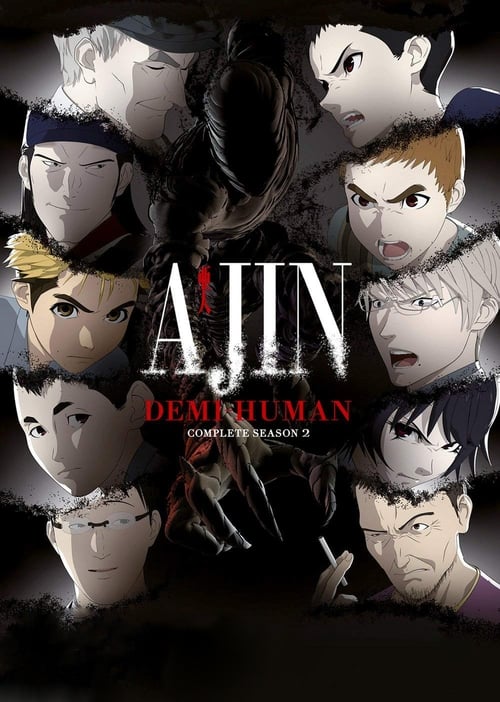
The second season of "Ajin" begins with Kei Nagai, who is now on the run after being exposed as an Ajin. He is haunted by the fear of being captured by the government and the implications of being an immortal being. The season opens with Kei hiding in a remote location, trying to come to terms with his new identity and the powers that come with it. He is conflicted, feeling both the weight of his situation and the desire to live a normal life.
Meanwhile, the government is intensifying its efforts to capture Ajin, particularly focusing on Kei. They employ various tactics, including surveillance and the use of specialized units trained to deal with Ajin. The tension escalates as the public becomes increasingly aware of Ajin and their abilities, leading to a mix of fear and fascination. The government's propaganda paints Ajin as dangerous, further isolating Kei and others like him.
Kei's former classmate, Kaito, is determined to help him. Kaito believes in Kei's innocence and wants to protect him from the government's clutches. He begins to gather information about Ajin and their abilities, trying to find a way to assist Kei. Kaito's loyalty is tested as he faces the dangers of being associated with an Ajin, but his determination to save Kei drives him forward.
As the story progresses, we are introduced to Sato, a ruthless Ajin who has his own agenda. Sato is a formidable antagonist, using his powers to instill fear and chaos. He orchestrates a series of violent attacks against the government, showcasing his ability to regenerate and his willingness to kill. Sato's motivations are rooted in a desire for freedom for Ajin, but his methods are brutal and indiscriminate.
Kei eventually crosses paths with Sato, leading to a tense confrontation. Sato attempts to recruit Kei, believing that together they can lead a revolution for Ajin rights. Kei, however, is repulsed by Sato's violent methods and refuses to join him. This decision puts Kei in direct conflict with Sato, escalating the stakes for both characters.
The government, recognizing the threat posed by Sato, begins to mobilize its forces. They deploy specialized units equipped with weapons designed to combat Ajin. The tension culminates in a series of battles between Sato's forces and the government, with Kei caught in the middle. Kei struggles with his own powers, trying to harness them effectively while also grappling with the moral implications of using them.
During one intense sequence, Sato launches an attack on a government facility, showcasing his strategic mind and combat skills. He uses his Ajin abilities to create chaos, leading to a high-stakes battle where both sides suffer casualties. Kei witnesses the brutality of Sato's actions and is forced to confront the reality of what it means to be an Ajin in a world that fears them.
As the season progresses, Kei's internal conflict deepens. He grapples with his identity as an Ajin and the responsibilities that come with it. He begins to form a bond with other Ajin, including a girl named Eriko, who shares her own struggles and experiences. This connection helps Kei to understand that he is not alone in his fight, but it also complicates his feelings about the violent world around him.
The climax of the season occurs when Kei and Sato face off in a final confrontation. The battle is intense, with both characters using their abilities to their fullest extent. Kei's determination to protect those he cares about drives him to push beyond his limits. The fight is brutal, with moments of desperation and revelation as Kei learns more about his powers and the potential consequences of their use.
In the aftermath of the confrontation, Kei is left to deal with the fallout of the battle. The government continues its pursuit of Ajin, and the public's perception of them remains fraught with tension. Kei's journey is far from over, as he must navigate a world that sees him as both a monster and a victim. The season ends on a cliffhanger, leaving viewers eager to see how Kei will continue to fight for his place in a society that fears him.







What is the ending?
In the ending of Ajin: Season 2, the conflict between the Ajin and the government reaches a climax. Kei Nagai confronts Sato, who has been orchestrating a violent uprising against humanity. The final battle leads to significant losses on both sides, and ultimately, Kei makes a pivotal decision that impacts his future and the fate of the Ajin.
As the story unfolds, the tension escalates. Kei Nagai, having grown more confident in his abilities as an Ajin, faces Sato, who has become increasingly ruthless in his quest for freedom and revenge against humans. The final confrontation occurs in a desolate area where Sato has gathered his forces, and Kei, along with his allies, prepares to stop him.
The battle is intense, showcasing the unique abilities of the Ajin. Kei's internal struggle is palpable; he grapples with his identity as an Ajin and the moral implications of his actions. Sato, on the other hand, is driven by a desire for recognition and power, believing that the Ajin should rise above humanity.
As the fight progresses, Kei's friends, including Kaito, play crucial roles in supporting him. Kaito's loyalty and bravery shine through, but he ultimately sacrifices himself in a moment of heroism to protect Kei. This loss deeply affects Kei, fueling his determination to end the conflict.
In a climactic moment, Kei confronts Sato directly. The battle is fierce, with both characters showcasing their abilities. Kei's resolve strengthens as he realizes that he must not only fight for his own survival but also for the future of all Ajin. The emotional weight of his choices becomes evident as he reflects on the lives lost and the friendships forged.
In the end, Kei manages to outsmart Sato, using his intelligence and strategic thinking to gain the upper hand. Sato, realizing he has been defeated, is left with no choice but to retreat. The aftermath of the battle leaves Kei standing amidst the ruins, contemplating the cost of their conflict.
As the dust settles, Kei's fate is uncertain. He is left to navigate a world that still fears and misunderstands Ajin. The series concludes with Kei looking towards the future, aware of the challenges that lie ahead but determined to find a way for Ajin and humans to coexist.
Kaito's sacrifice weighs heavily on Kei, serving as a reminder of the price of their struggle. Sato, though defeated, remains a looming threat, hinting at the ongoing conflict between Ajin and humanity. The ending leaves viewers with a sense of unresolved tension, emphasizing the complexities of identity, loyalty, and the struggle for acceptance in a divided world.
Is there a post-credit scene?
In "Ajin: Season 2," there is indeed a post-credit scene that adds depth to the narrative. After the main events of the season conclude, the scene shifts to a dark, secluded area where a group of Ajin are gathered. The atmosphere is tense, filled with a sense of foreboding as they discuss their situation and the ongoing conflict with humans.
One of the Ajin, visibly anxious, expresses concern about the increasing hostility from society and the government's relentless pursuit of their kind. The leader of the group, calm yet authoritative, reassures them that they must remain united and vigilant. He emphasizes the importance of their survival and the need to fight back against the oppression they face.
As the conversation unfolds, the camera pans to a shadowy figure lurking in the background, hinting at a potential new player in the ongoing struggle between Ajin and humans. This figure's identity remains ambiguous, leaving viewers with a sense of intrigue and anticipation for future developments.
The scene closes with a lingering shot of the group, their expressions a mix of determination and fear, underscoring the precarious position of Ajin in a world that sees them as threats. This post-credit moment effectively sets the stage for further conflict and character development, leaving fans eager for what lies ahead.
What are the main motivations of Kei Nagai in Season 2?
In Season 2 of Ajin, Kei Nagai's motivations are deeply rooted in his struggle for survival and his desire to understand his identity as an Ajin. After the events of Season 1, where he learns about his immortality, Kei grapples with the fear of being hunted by humans and the moral implications of his powers. He seeks to protect himself and his friends while also trying to find a way to coexist with humans, which leads him to make difficult decisions that often put him at odds with both the government and other Ajin.
How does the relationship between Kei Nagai and Satou evolve in Season 2?
In Season 2, the relationship between Kei Nagai and Satou becomes increasingly antagonistic. Satou, a charismatic and ruthless Ajin, sees Kei as a potential ally but also as a threat. Kei's refusal to join Satou's cause, which involves a violent uprising against humans, leads to a series of confrontations. Satou's manipulative nature and his desire to use Kei's abilities for his own ends create a tense dynamic, showcasing Kei's internal conflict as he struggles to maintain his humanity while facing Satou's relentless pursuit.
What role does the government play in the events of Season 2?
The government plays a significant role in Season 2 as they intensify their efforts to capture and control Ajin. They employ various tactics, including the use of advanced technology and mercenaries, to hunt down Kei and other Ajin. The government's actions reflect their fear and misunderstanding of Ajin, leading to ethical dilemmas and moral questions about the treatment of these beings. This creates a backdrop of tension and conflict, as Kei and his allies must navigate a world where they are seen as threats rather than individuals.
How does the character of Eriko Nagai influence Kei's decisions in Season 2?
Eriko Nagai, Kei's mother, serves as a pivotal emotional anchor for Kei in Season 2. Her unwavering support and love provide Kei with a sense of purpose and humanity amidst the chaos of being hunted. Her presence reminds Kei of the stakes involved in his actions, pushing him to consider the consequences of his choices not just for himself, but for his family and friends. This maternal bond influences Kei's decisions, often leading him to prioritize the safety of those he cares about over his own survival.
What are the consequences of Kei's actions in the final episodes of Season 2?
In the final episodes of Season 2, Kei's actions lead to significant consequences that affect both his life and the lives of those around him. His choices to confront Satou and the government result in intense battles that showcase his growth as an Ajin. However, these confrontations also lead to tragic losses and moral dilemmas, forcing Kei to confront the darker aspects of his powers and the impact of his decisions on his relationships. The culmination of these events leaves Kei at a crossroads, grappling with the weight of his actions and the future of his existence as an Ajin.
Is this family friendly?
"Ajin: Season 2" contains several elements that may not be suitable for children or sensitive viewers. Here are some potentially objectionable aspects:
-
Violence and Gore: The series features graphic depictions of violence, including intense battles and injuries. Characters often experience severe harm, and there are scenes of bloodshed that may be distressing.
-
Death and Suffering: The theme of mortality is prevalent, with characters facing death and the emotional weight of loss. The portrayal of suffering can be quite heavy and may evoke strong feelings.
-
Psychological Tension: The show delves into themes of fear, betrayal, and moral ambiguity, which can create a tense atmosphere. Characters often grapple with their own humanity and the consequences of their actions.
-
Existential Themes: The narrative explores complex ideas about identity, what it means to be human, and the implications of immortality, which may be difficult for younger viewers to fully comprehend.
-
Dark Tone: The overall tone of the series is dark and serious, with moments that can be unsettling or disturbing, particularly for those who are sensitive to such themes.
These elements contribute to a mature viewing experience, making it less suitable for a family-friendly audience.









