

















Popular
What is the significance of Haruto's ability to enter dreams?
How does the character of Kokoro influence Haruto's journey?
What are the main conflicts faced by the characters in their dreams?
How does the relationship between Haruto and the other dreamers evolve throughout the series?
What role does the concept of 'dreams' play in the character development of Haruto?
Should I watch it?
Ask Your Own Question

What is the plot?
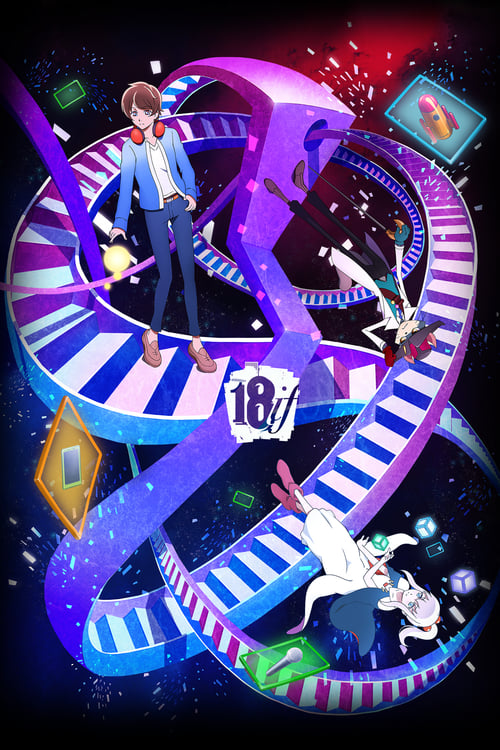
The story begins with Haruto Tsukishiro, a high school student who finds himself in a dream world after falling asleep in class. He wakes up in a fantastical realm where he meets a girl named Tsubasa, who is a manifestation of a dream. Tsubasa explains that she is a "dreamer" and that Haruto has entered the world of dreams, where he can interact with various dreamers and their unique worlds.
As Haruto navigates this dream world, he encounters different dreamers, each with their own struggles and desires. One of the first dreamers he meets is a girl named Kyouko, who is trapped in a cycle of her own nightmares. Haruto learns that Kyouko is haunted by her past and is unable to escape her fears. He decides to help her confront her nightmares, leading to a series of emotional confrontations where Kyouko faces her inner demons.
After helping Kyouko, Haruto continues his journey and meets another dreamer, a boy named Kaito, who is obsessed with becoming a hero. Kaito's dream world is filled with heroic battles and challenges, but Haruto realizes that Kaito is using his dreams to escape from the reality of his own insecurities. Haruto encourages Kaito to face his fears and embrace his true self, leading to a climactic battle where Kaito must confront a monstrous version of himself.
As Haruto helps each dreamer, he begins to uncover a deeper mystery about the dream world. He learns that there is a powerful entity known as the "Dream Eater" that feeds on the dreams of others, causing chaos and despair. This revelation drives Haruto to seek out the Dream Eater, determined to put an end to its reign of terror.
In his quest, Haruto encounters a girl named Rin, who is deeply connected to the Dream Eater. Rin reveals that she has been trapped in a cycle of dreams, unable to escape the influence of the Dream Eater. Haruto feels a strong connection to Rin and vows to save her, even as he grapples with his own feelings of helplessness.
The confrontation with the Dream Eater is intense and filled with emotional stakes. Haruto, along with the dreamers he has helped, bands together to face the entity. They engage in a series of battles that test their resolve and strength. Each dreamer must confront their own fears and insecurities, drawing on the lessons they have learned from Haruto.
As the final battle unfolds, Haruto faces the Dream Eater directly. The entity manifests as a dark, swirling mass that embodies the fears and regrets of all the dreamers. Haruto, fueled by his determination to protect Rin and the other dreamers, confronts the Dream Eater with a newfound sense of purpose. He realizes that the key to defeating it lies in the power of hope and connection.
In a climactic moment, Haruto and the dreamers combine their strengths, channeling their positive emotions to weaken the Dream Eater. The battle is fierce, with moments of despair as the Dream Eater retaliates. However, Haruto's unwavering belief in the dreamers' potential ultimately leads to a breakthrough. They manage to shatter the Dream Eater's form, freeing Rin and restoring balance to the dream world.
With the Dream Eater defeated, the dreamers begin to awaken from their slumber, each carrying the lessons they learned during their time in the dream world. Haruto shares a heartfelt goodbye with Rin, promising to remember her and the journey they shared. As he wakes up in the real world, Haruto reflects on the experiences he had and the connections he made, feeling a sense of growth and understanding.
The series concludes with Haruto back in his classroom, but he carries the memories of the dream world with him. He looks out the window, contemplating the nature of dreams and reality, and the impact of the connections he formed with the dreamers. The final scene leaves viewers with a sense of hope and the idea that dreams can shape one's reality in profound ways.





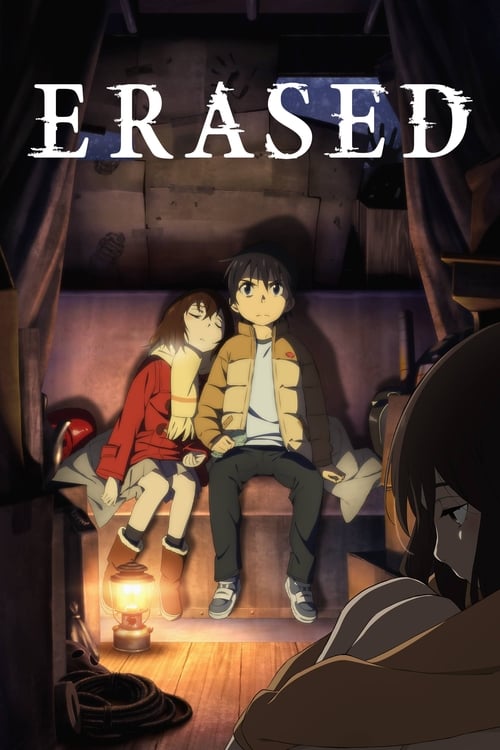
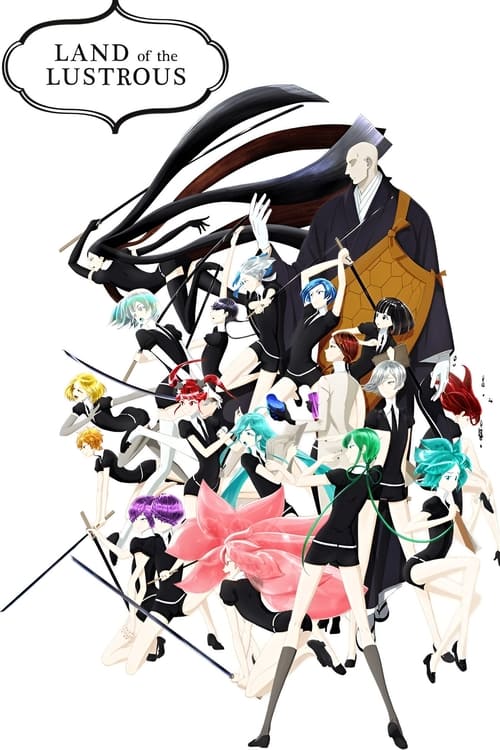
What is the ending?
In the ending of "18if," Haruto, the protagonist, confronts the final challenge of the dream world, where he faces the ultimate manifestation of the dreams and desires of the girls he has helped throughout the series. He learns the importance of accepting oneself and the power of dreams. The series concludes with Haruto realizing that he must let go of his own desires to help others find their true selves. The final scenes depict a resolution for the characters he has encountered, emphasizing their growth and the impact of their experiences.
As the final episode unfolds, we find Haruto in a surreal dreamscape, a culmination of all the dreams he has navigated throughout the series. The atmosphere is thick with tension, as he stands at the edge of a vast, swirling void, representing the collective unconscious of the girls he has helped. Each girl's dream has been a reflection of their struggles, desires, and fears, and now they converge into a singular, chaotic entity.
Scene 1: Haruto stands alone, the weight of his journey pressing down on him. He recalls the faces of the girls he has encountered--each one a testament to the struggles of youth and the search for identity. As he takes a deep breath, he feels a surge of determination. He knows that to help them, he must confront the core of their dreams.
Scene 2: Suddenly, the void begins to take shape, morphing into a giant figure that embodies the fears and insecurities of the girls. This figure, a monstrous amalgamation of their doubts, looms over Haruto, challenging him to confront not only their fears but his own. Haruto's heart races as he realizes that this is not just a battle for the girls, but a battle for himself as well.
Scene 3: As the confrontation escalates, Haruto recalls the lessons he learned from each girl. He remembers their laughter, their tears, and the moments of vulnerability they shared. With each memory, he gains strength, understanding that the key to overcoming this entity lies in acceptance and compassion. He begins to speak to the figure, not with anger, but with empathy, urging it to reveal its true form.
Scene 4: The monstrous figure begins to dissolve, revealing the individual girls within it, each one trapped in their own fears. Haruto reaches out to them, encouraging them to embrace their true selves. One by one, they step forward, shedding their insecurities and reclaiming their identities. The dreamscape transforms, becoming brighter and more vibrant as they find their voices.
Scene 5: In a climactic moment, Haruto realizes that he must let go of his own desires to save them. He understands that true support comes from allowing others to find their own paths. With this revelation, he releases his hold on the dream world, and the girls, now empowered, begin to awaken from their dreams.
Scene 6: The final scenes depict Haruto waking up in the real world, a sense of peace washing over him. He looks around, feeling a profound connection to the girls he has helped. Each of them is shown in their own lives, moving forward with newfound confidence and clarity. The series closes with Haruto smiling, knowing that he has played a part in their journeys, and that they will continue to grow and thrive.
In the end, Haruto's journey is one of self-discovery and the realization that helping others often means stepping back and allowing them to find their own way. The fates of the main characters reflect their growth, as they emerge from their dreams transformed, ready to face the world with courage and authenticity.
Is there a post-credit scene?
In the anime series "18if," there is indeed a post-credit scene that adds an intriguing layer to the narrative. After the main story concludes, the scene shifts to a serene, dreamlike setting. The visuals are soft and ethereal, with a gentle color palette that evokes a sense of calm and introspection.
In this scene, we see Haruto, the protagonist, standing alone in a vast, open space that resembles a dream world. He appears contemplative, reflecting on his journey through the various dreams and the challenges he faced. The atmosphere is filled with a sense of nostalgia and unresolved emotions, as he recalls the different girls he encountered and the lessons learned from each of their stories.
As he gazes into the distance, a familiar figure appears--one of the dreamers he helped, who had a significant impact on his character development. Their interaction is brief but poignant, filled with unspoken words and shared understanding. This moment encapsulates the essence of the series, highlighting themes of connection, empathy, and the complexities of human emotions.
The scene concludes with Haruto smiling softly, suggesting a sense of hope and growth. The screen fades to black, leaving viewers with a lingering feeling of curiosity about the nature of dreams and the connections we forge within them. This post-credit moment serves as a reflective capstone to the series, inviting audiences to ponder the deeper meanings behind their own dreams and relationships.
What is the significance of Haruto's ability to enter dreams?
Haruto's ability to enter dreams serves as a crucial plot device that allows him to confront various characters' inner struggles and traumas. Each dream he enters reveals deeper layers of the characters' psyches, showcasing their fears, desires, and unresolved issues. This ability not only drives the narrative forward but also highlights Haruto's growth as he learns to empathize with others and understand the complexities of their emotions.
How does the character of Kokoro influence Haruto's journey?
Kokoro, as a dream character, plays a pivotal role in guiding Haruto through his experiences in the dream world. Her enigmatic nature and the emotional depth she brings to the story challenge Haruto to confront his own feelings and motivations. As he interacts with her, he begins to understand the importance of connection and the impact of one's choices, ultimately shaping his character development throughout the series.
What are the main conflicts faced by the characters in their dreams?
The characters face various conflicts in their dreams that often mirror their real-life struggles. For instance, one character may confront their fear of failure, while another grapples with feelings of isolation or guilt. These conflicts are not only personal but also serve to illustrate broader themes of mental health and the pressures of societal expectations, making each dream sequence a poignant exploration of the characters' inner turmoil.
How does the relationship between Haruto and the other dreamers evolve throughout the series?
Haruto's relationships with the other dreamers evolve significantly as he learns more about their backgrounds and the reasons behind their dreams. Initially, he may approach them with a sense of detachment, but as he becomes more invested in their stories, he forms deeper connections. This evolution is marked by moments of vulnerability, shared experiences, and ultimately, a sense of camaraderie as they support each other in overcoming their respective challenges.
What role does the concept of 'dreams' play in the character development of Haruto?
The concept of dreams is central to Haruto's character development, as each dream he enters serves as a catalyst for self-discovery. Through his interactions with various dreamers, he confronts his own insecurities and learns valuable lessons about empathy, responsibility, and the consequences of one's actions. This journey through the dream world forces Haruto to reflect on his own life choices, ultimately leading to significant personal growth and a deeper understanding of himself and others.
Is this family friendly?
"18if" is a fantasy anime series that explores themes of dreams, reality, and the struggles of young adults. While it has a unique and imaginative premise, there are several aspects that may be considered objectionable or upsetting for children or sensitive viewers:
-
Mature Themes: The show delves into complex issues such as identity, mental health, and the pressures of adulthood, which may be difficult for younger audiences to fully grasp.
-
Nightmare Sequences: Some episodes feature intense and surreal nightmare scenarios that can be unsettling, including imagery that may evoke fear or anxiety.
-
Suggestive Content: There are moments of suggestive themes and innuendos that may not be appropriate for younger viewers, as they touch on adult relationships and desires.
-
Emotional Distress: Characters often face emotional turmoil, including feelings of loneliness, despair, and existential crises, which could be distressing for sensitive viewers.
-
Violence and Conflict: While not graphic, there are scenes that involve conflict and tension, which may include mild violence or threatening situations.
Overall, while "18if" has artistic and narrative depth, its themes and content may not be suitable for all audiences, particularly children or those who are sensitive to such topics.