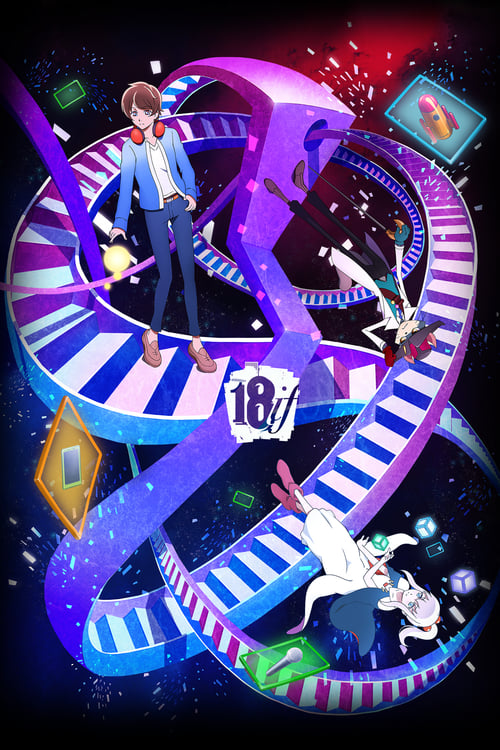


















Popular
What is the significance of Haruto's ability to enter dreams?
How does the character of Kokoro influence Haruto's journey?
What role does the antagonist, the Dream Demon, play in the story?
How does Haruto's relationship with his mentor, the mysterious man, evolve throughout the series?
What are the emotional stakes for the character of Shinjirou in his dream?
Should I watch it?
Ask Your Own Question

What is the plot?
The story begins with Haruto Tsukishiro, a young man who wakes up in a strange dream world. He finds himself in a surreal landscape filled with vibrant colors and odd characters. Confused and disoriented, he soon encounters a girl named Rin, who reveals that she is a "dreamer" and that he is in a dream world where people can manipulate their dreams. Haruto learns that he has the ability to enter the dreams of others, which is a unique power that he must learn to control.
As Haruto navigates this dream world, he discovers that there are various dreamers, each with their own unique dreams and struggles. He meets a girl named Kyouko, who is trapped in a nightmare where she is constantly pursued by a monstrous figure. Haruto decides to help her escape this nightmare, and together they confront the monster. In a tense confrontation, Haruto uses his newfound abilities to fight the creature, ultimately freeing Kyouko from her fears.
After rescuing Kyouko, Haruto is introduced to the concept of "witches," individuals who manipulate dreams for their own purposes. He learns that these witches can create elaborate dreamscapes that can trap others. Haruto's mission becomes clear: he must help those who are trapped in their dreams and confront the witches who control them. His determination to help others drives him forward, despite the dangers that lie ahead.
In the next sequence, Haruto encounters a witch named Kuro, who has a dark and twisted dream world. Kuro's dream is filled with despair and hopelessness, and she uses her powers to manipulate the emotions of those trapped within. Haruto, feeling the weight of Kuro's despair, tries to reach out to her, hoping to understand her pain. However, Kuro is resistant and attacks him with her powers, creating a chaotic battle within her dream.
During the confrontation, Haruto struggles to maintain his composure as Kuro unleashes her dark magic. He realizes that he must confront not only Kuro's powers but also the emotional turmoil that drives her actions. In a moment of vulnerability, Haruto shares his own fears and insecurities, which momentarily disarms Kuro. This emotional connection allows him to break through her defenses, leading to a pivotal moment where Kuro begins to question her own motivations.
As the battle continues, Haruto manages to weaken Kuro's hold on her dream world. He uses his abilities to create a safe space for those trapped within, allowing them to escape the nightmare. Kuro, faced with the consequences of her actions, begins to reflect on her choices. In a moment of clarity, she decides to relinquish her powers, allowing Haruto and the others to leave her dream.
Following this encounter, Haruto meets another dreamer named Yume, who is plagued by a recurring dream of loss and abandonment. Yume's dream is filled with haunting imagery of her past, and she struggles to confront the emotions tied to her memories. Haruto, empathetic to her plight, enters her dream to help her face her fears. Together, they navigate through the painful memories, and Haruto encourages Yume to confront the source of her pain.
In a climactic moment, Yume faces the embodiment of her past, a figure representing her lost loved ones. The confrontation is emotionally charged, as Yume must come to terms with her grief. Haruto stands by her side, providing support and encouragement. As Yume confronts her past, she begins to find closure, allowing her to break free from the cycle of her recurring dream.
As the series progresses, Haruto continues to encounter various dreamers and witches, each with their own unique struggles. He learns more about the nature of dreams and the impact they have on people's lives. Each encounter deepens his understanding of the emotional weight carried by those trapped in their dreams, and he becomes more determined to help them find peace.
In the final episodes, Haruto faces a powerful witch named Aoi, who has the ability to manipulate reality itself. Aoi's dream world is a reflection of her own desires and fears, and she uses her powers to create a labyrinthine landscape filled with illusions. Haruto must navigate this complex dream, facing various challenges and obstacles that test his resolve.
During the confrontation with Aoi, Haruto realizes that he must confront not only her powers but also the underlying emotions that drive her actions. As they battle, Aoi reveals her own vulnerabilities, and Haruto uses this moment to connect with her on a deeper level. He encourages her to embrace her true self, leading to a transformative moment where Aoi begins to let go of her need for control.
In the climax of the series, Haruto and Aoi engage in a final showdown, where the boundaries between dreams and reality blur. The battle is intense, filled with stunning visuals and emotional stakes. Ultimately, Haruto's compassion and understanding allow him to reach Aoi, leading to her redemption and the dissolution of her dream world.
The series concludes with Haruto reflecting on his journey and the connections he has made with the dreamers he has helped. He understands the importance of facing one's fears and the power of empathy in overcoming personal struggles. As he prepares to leave the dream world, he carries with him the lessons learned from each encounter, ready to face whatever challenges lie ahead in the waking world.



What is the ending?
In the ending of "18if," Haruto and his friends confront the final challenges posed by the dream world. They face off against the powerful witch, who embodies the struggles and fears of the dreamers. Ultimately, Haruto's determination and the bonds he has formed with others allow him to overcome the witch's influence. The series concludes with Haruto awakening from the dream world, having grown from his experiences, while the other characters find resolution in their own personal journeys.
As the final episodes unfold, the narrative begins with Haruto, who has been navigating the surreal and often perilous dream worlds of various girls. Each dream has revealed deeper layers of their struggles, fears, and desires. In the penultimate episode, Haruto learns that the ultimate antagonist is a witch who has been manipulating the dreams, feeding off the despair of the dreamers. This witch represents the culmination of the fears that have plagued the girls throughout the series.
In a climactic scene, Haruto gathers his friends, including the girls he has helped, to confront the witch. The atmosphere is tense, filled with a sense of urgency and determination. The dream world shifts around them, reflecting the chaos and emotional turmoil they have faced. Haruto's resolve is palpable; he understands that the only way to defeat the witch is to confront their own fears and insecurities head-on.
As they engage with the witch, each character faces their personal demons. The visuals are striking, with vibrant colors and surreal landscapes that shift in response to their emotions. Haruto's friends, who have been deeply affected by their experiences, find strength in their shared bonds. They support one another, showcasing the importance of friendship and solidarity in overcoming adversity.
The battle against the witch is intense, filled with moments of doubt and despair. However, Haruto's unwavering belief in his friends and their potential to overcome their struggles becomes a beacon of hope. He encourages them to embrace their true selves, to acknowledge their fears rather than be consumed by them. This pivotal moment is marked by a powerful visual transformation, as the dream world begins to stabilize, reflecting their newfound strength.
In the final confrontation, Haruto faces the witch directly. The emotional stakes are high, as he channels the collective strength of his friends. The witch, realizing that her power is waning, attempts to manipulate Haruto's fears, but he stands firm. With a surge of determination, he breaks free from her grasp, symbolizing the triumph of hope over despair.
As the witch is defeated, the dream world begins to dissolve, and Haruto awakens in the real world. The transition is marked by a serene visual of light breaking through darkness, symbolizing a new beginning. Haruto's friends also awaken, each having found resolution in their personal journeys. They emerge with a sense of clarity and purpose, ready to face their realities with renewed strength.
In the closing scenes, Haruto reflects on his experiences, understanding that the journey through the dream worlds has changed him. He has grown more empathetic and aware of the struggles others face. The series ends on a hopeful note, emphasizing the importance of connection, understanding, and the courage to confront one's fears. Each character's fate is intertwined with the lessons they have learned, leaving them poised for a brighter future.
Is there a post-credit scene?
In the anime series "18if," there is no post-credit scene at the end of Season 1. The episodes conclude without any additional scenes or content after the credits roll. Each episode wraps up its narrative within the main storyline, focusing on the dream worlds and the challenges faced by the protagonist, Haruto Tsukishiro, as he navigates through the dreams of various girls. The series emphasizes themes of dreams, desires, and the struggles of the characters, but it does not include any extra scenes that would typically be found in a post-credit format.
What is the significance of Haruto's ability to enter dreams?
Haruto's ability to enter dreams serves as a crucial plot device that allows him to interact with various characters who are trapped in their own dream worlds. This ability reflects his internal struggle to understand his own reality and the realities of others, as he seeks to help those suffering from their dreams. Each dream he enters reveals deeper layers of the characters' psyches and their emotional states, showcasing their fears, desires, and traumas.
How does the character of Kokoro influence Haruto's journey?
Kokoro, a dreamer who is deeply affected by her own emotional turmoil, plays a pivotal role in Haruto's journey. Her struggles with her identity and the pressures of her life resonate with Haruto, pushing him to confront his own feelings of helplessness. Kokoro's character embodies the theme of self-discovery, and her interactions with Haruto challenge him to grow and understand the importance of empathy and connection.
What role does the antagonist, the Dream Demon, play in the story?
The Dream Demon serves as a formidable antagonist who embodies the fears and insecurities of the dreamers. This character manipulates dreams to trap individuals in their worst nightmares, representing the darker aspects of the subconscious. The Dream Demon challenges Haruto, forcing him to confront not only the external threat but also his own internal conflicts, ultimately driving the narrative tension and character development.
How does Haruto's relationship with his mentor, the mysterious man, evolve throughout the series?
Haruto's relationship with his mentor evolves from one of confusion and skepticism to a deeper understanding and trust. Initially, Haruto is unsure of the mentor's intentions and guidance, but as he navigates the complexities of the dream world, he begins to appreciate the mentor's wisdom and experience. This evolution highlights Haruto's growth as he learns to rely on others and accept help in his quest to save the dreamers.
What are the emotional stakes for the character of Shinjirou in his dream?
Shinjirou's emotional stakes in his dream are tied to his feelings of isolation and regret. As Haruto enters Shinjirou's dream, he discovers that Shinjirou is haunted by past mistakes and the burden of unfulfilled expectations. This emotional turmoil manifests in the dream as a chaotic landscape, reflecting Shinjirou's inner conflict. Haruto's efforts to help Shinjirou confront these feelings become a pivotal moment in the narrative, emphasizing the importance of facing one's past to move forward.
Is this family friendly?
"18if" is an anime series that explores themes of dreams, reality, and the struggles of young women dealing with their inner demons. While it has a unique and visually engaging style, there are several aspects that may be considered objectionable or upsetting for children or sensitive viewers:
-
Mature Themes: The series delves into psychological issues, including depression, anxiety, and the pressures of societal expectations, which may be heavy for younger audiences.
-
Nightmare Sequences: Many episodes feature surreal and sometimes disturbing dream sequences that can evoke feelings of fear or discomfort. These scenes often depict characters facing their fears or traumas in visually intense ways.
-
Suggestive Content: There are instances of suggestive imagery and themes related to sexuality, which may not be appropriate for younger viewers.
-
Emotional Distress: Characters often experience significant emotional turmoil, including feelings of isolation, despair, and conflict, which could be upsetting for sensitive viewers.
-
Violence and Threats: Some scenes may include implied violence or threats, as characters confront their fears and the antagonistic forces within their dreams.
Overall, while "18if" has artistic merit and explores important themes, its content may not be suitable for all audiences, particularly children or those who are sensitive to psychological and emotional distress. Viewer discretion is advised.