














Popular
What is the significance of the witch battles in this episode?
How does Haruto's relationship with the witches evolve in this episode?
What role does the character of the Witch of the West play in the episode?
How do the characters' wishes manifest in the battles?
What emotional challenges do the characters face during the witch battles?
Should I watch it?
Ask Your Own Question

What is the plot?
The episode begins with Haruto and his companions, including the witch Kayo, in a tense situation as they prepare for the Witch Wars. The atmosphere is charged with anticipation and anxiety, as they know that the outcome of the battles will determine the fate of the witches and their dreams. Haruto is determined to protect Kayo and the other witches, feeling a strong sense of responsibility for their well-being.
As the Witch Wars commence, Haruto and Kayo find themselves in a dream world where they must confront various adversaries. The first battle takes place against a powerful witch named Kuro, who has a dark and menacing presence. Kuro uses her abilities to manipulate the dream environment, creating illusions that challenge Haruto and Kayo. Haruto struggles to maintain his focus, feeling the weight of the situation pressing down on him. Kayo, on the other hand, shows her determination to fight back, channeling her powers to counter Kuro's attacks.
During the confrontation, Kuro reveals her motivations, explaining that she seeks to dominate the dream world and eliminate any threats to her power. This revelation deepens the conflict, as Haruto realizes that the stakes are higher than he initially thought. He must not only protect Kayo but also prevent Kuro from achieving her goals. The battle escalates, with Kuro summoning shadowy creatures to attack Haruto and Kayo. Haruto's resolve strengthens as he fights alongside Kayo, showcasing their growing bond and teamwork.
As the fight progresses, Haruto taps into his own latent abilities, discovering new strengths within himself. He begins to understand the importance of believing in himself and his friends. This newfound confidence allows him to push back against Kuro's forces, creating a turning point in the battle. Kayo, inspired by Haruto's determination, unleashes her own powers, and together they manage to weaken Kuro significantly.
After a fierce struggle, Haruto and Kayo finally confront Kuro directly. In a climactic moment, they combine their powers in a spectacular display of light and energy, overwhelming Kuro and forcing her to retreat. The victory is bittersweet, as Haruto and Kayo realize that the Witch Wars are far from over, and more challenges await them.
Following the battle, Haruto reflects on the experience, feeling a mix of relief and concern. He understands that the fight for the witches' freedom is ongoing, and he must continue to support Kayo and the others. Kayo expresses her gratitude to Haruto, acknowledging the strength they found in each other during the battle. Their bond deepens, and they share a moment of connection, reinforcing their commitment to face whatever comes next together.
The episode concludes with a sense of uncertainty looming over the dream world. Haruto and Kayo prepare for the next phase of the Witch Wars, knowing that they will need to gather allies and strengthen their resolve. The stakes are higher than ever, and the journey ahead promises to be filled with challenges that will test their limits and their friendship.



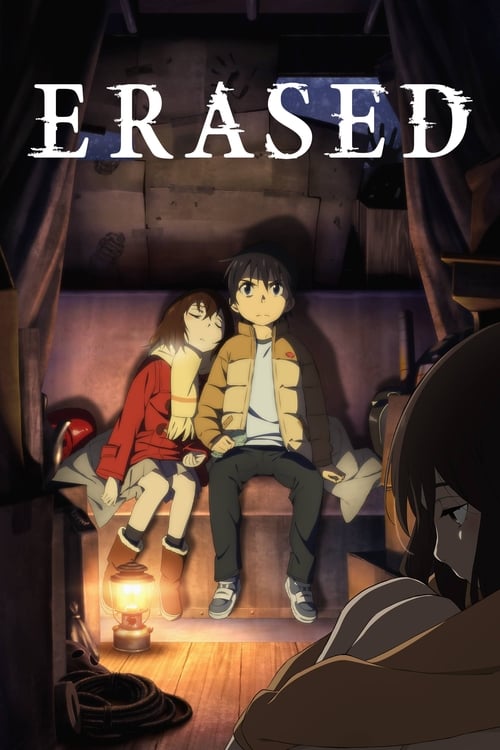
What is the ending?
In the ending of "The Witch Wars," Haruto and his friends confront the powerful witch, who has been manipulating the dreams of others. They engage in a battle that tests their resolve and the strength of their bonds. Ultimately, Haruto manages to defeat the witch, freeing the trapped souls and restoring peace. The episode concludes with Haruto reflecting on the experiences and the importance of friendship, while the characters move forward with a renewed sense of purpose.
As the episode unfolds, the tension escalates when Haruto, along with his companions, finds themselves in a dream world dominated by the malevolent witch. The atmosphere is thick with an eerie mist, and the landscape shifts unpredictably, reflecting the chaotic nature of the witch's power. Haruto's determination is palpable; he knows that the stakes are high, not just for himself but for all those affected by the witch's dark influence.
Scene by scene, the group strategizes on how to confront the witch. They gather their courage, each character revealing their fears and motivations. Haruto, driven by a desire to protect his friends and those trapped in the witch's grasp, takes the lead. His internal struggle is evident as he grapples with self-doubt but ultimately resolves to fight for what is right.
As they enter the witch's lair, the atmosphere shifts dramatically. The walls pulse with a dark energy, and the witch appears, a figure cloaked in shadows, her voice dripping with malice. The confrontation is intense, filled with magical duels and emotional stakes. Haruto's friends rally around him, showcasing their growth and the strength of their bonds. Each character plays a crucial role, using their unique abilities to counter the witch's attacks.
The battle reaches its climax when Haruto taps into the power of his friends' belief in him. In a moment of clarity, he realizes that the true strength lies not just in individual power but in their unity. With a surge of energy, he confronts the witch directly, channeling the collective will of his friends. The witch, taken aback by this unexpected force, falters, and Haruto seizes the moment to deliver the final blow.
As the witch is defeated, the dream world begins to collapse, and the trapped souls are freed. The characters experience a moment of relief and triumph, but it is tinged with the understanding of the battles they have faced. Haruto, now more confident and self-assured, reflects on the journey they have taken together. The bonds forged in adversity shine brightly as they emerge from the dream world, forever changed by their experiences.
In the aftermath, each character finds a sense of closure. Haruto, having faced his fears and emerged victorious, looks forward to the future with hope. His friends, too, have grown, each carrying the lessons learned from their encounter with the witch. The episode closes on a note of camaraderie, emphasizing the importance of friendship and the strength found in unity, leaving the audience with a sense of resolution and optimism for what lies ahead.
Is there a post-credit scene?
In the episode "The Witch Wars" from the series 18if, there is indeed a post-credit scene. After the main events of the episode conclude, the scene shifts to a serene setting where Haruto, the protagonist, is seen in a tranquil environment. He reflects on the experiences he has had throughout the episode, particularly the battles against the witches and the emotional turmoil that ensued.
As he contemplates the nature of dreams and reality, the atmosphere is filled with a sense of calm, yet there is an underlying tension as he acknowledges the ongoing struggles that lie ahead. The scene serves as a moment of introspection for Haruto, highlighting his growth and the weight of his responsibilities. The visuals are soft and dreamlike, with gentle lighting that enhances the reflective mood.
This post-credit moment encapsulates the themes of the series, emphasizing the connection between dreams and the real world, while also hinting at future challenges that Haruto will face in his journey. It leaves viewers with a sense of anticipation and curiosity about what is to come.
What is the significance of the witch battles in this episode?
In 'The Witch Wars', the witch battles serve as a metaphor for the internal struggles of the characters, particularly focusing on their desires and fears. Each witch represents different aspects of the characters' psyches, and the battles highlight their emotional conflicts and the consequences of their wishes.
How does Haruto's relationship with the witches evolve in this episode?
Throughout 'The Witch Wars', Haruto's relationship with the witches deepens as he learns to empathize with their struggles. He moves from merely being a bystander to actively participating in their battles, showcasing his growth and understanding of their emotional turmoil.
What role does the character of the Witch of the West play in the episode?
The Witch of the West acts as a pivotal antagonist in 'The Witch Wars', embodying the darker aspects of desire and ambition. Her motivations are rooted in a desire for power, and her confrontations with Haruto and the other witches reveal the dangers of unchecked wishes.
How do the characters' wishes manifest in the battles?
In 'The Witch Wars', the characters' wishes manifest as physical manifestations in the battles, creating surreal and often chaotic environments. Each wish brings forth unique challenges that the characters must confront, reflecting their innermost desires and fears.
What emotional challenges do the characters face during the witch battles?
During the witch battles in 'The Witch Wars', characters face significant emotional challenges, including confronting their insecurities, regrets, and the consequences of their wishes. These battles force them to reflect on their true selves and the impact of their desires on their lives.
Is this family friendly?
In "The Witch Wars," episode 12 of 18if, there are several elements that may be considered objectionable or upsetting for children or sensitive viewers.
-
Themes of Conflict and Rivalry: The episode revolves around intense competition between witches, which may include aggressive confrontations and emotional turmoil.
-
Supernatural Elements: The portrayal of witches and their powers can be unsettling for some, especially if they are sensitive to themes involving magic or the supernatural.
-
Emotional Struggles: Characters experience significant emotional distress, including feelings of jealousy, betrayal, and fear, which may resonate deeply with viewers.
-
Visual Imagery: There may be scenes that depict dark or eerie settings, which could be frightening for younger audiences.
-
Mature Themes: The episode touches on themes of manipulation and the consequences of one's actions, which may be complex for younger viewers to fully understand.
These aspects may require parental guidance for younger audiences to navigate the emotional and thematic content presented in the episode.