
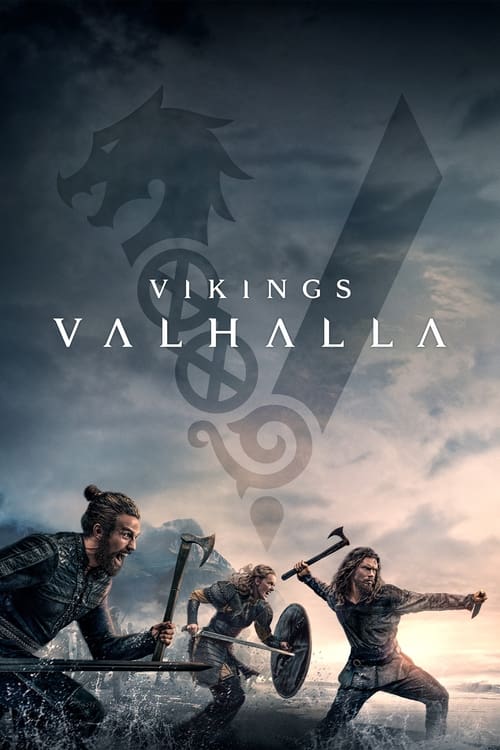








Popular
What motivates Leif Erikson to seek adventure and exploration in Season 1?
How does Freydis' character evolve throughout Season 1?
What role does the conflict between the Christians and the pagans play in the story?
What is the significance of the journey to Vinland for Leif and his companions?
How does the character of Harald Sigurdsson impact the dynamics among the Vikings?
Should I watch it?
Ask Your Own Question

What is the plot?
In the year 1002, the series opens in Kattegat, where the Viking world is changing. The Norsemen are facing the encroachment of Christianity and the growing power of the English kingdoms. The protagonist, Leif Eriksson, is introduced as a skilled and adventurous young man, deeply connected to his heritage. He is accompanied by his sister, Freydis, who is fiercely independent and has a strong belief in the old gods. Their father, Erik the Red, has passed away, and Leif feels the weight of his legacy.
Leif and Freydis are drawn into a conflict when they learn that their friend, a fellow Viking named Harald Sigurdsson, is planning to raid England. Leif is initially hesitant about the raid, feeling a sense of loyalty to his family and the old ways, while Freydis is eager for adventure and glory. They decide to join Harald, motivated by the promise of riches and the chance to prove themselves.
As they prepare for the journey, tensions rise in Kattegat. The local chieftain, who is a staunch supporter of Christianity, opposes the raid and seeks to maintain peace with the English. This creates a rift among the Vikings, with some supporting the old ways and others embracing the new religion. Leif struggles with his identity, torn between his loyalty to his people and the changing world around him.
The Viking fleet sets sail for England, and the atmosphere is filled with excitement and anticipation. The journey is fraught with challenges, including rough seas and internal conflicts among the crew. Leif begins to bond with Harald, who is charismatic and ambitious, while Freydis becomes increasingly drawn to the thrill of battle. Their camaraderie is tested as they face the realities of Viking life at sea.
Upon reaching England, the Vikings launch a surprise attack on a small village. The scene is brutal and chaotic, with Leif and Freydis fighting side by side. Leif's internal conflict intensifies as he witnesses the violence and destruction, questioning the morality of their actions. Freydis, however, revels in the chaos, feeling empowered by the fight. The raid yields significant loot, but it also draws the attention of the English forces.
As the Vikings retreat, they encounter a formidable English army led by King Canute. A fierce battle ensues, showcasing the tactical prowess of both sides. Leif fights valiantly but is haunted by the consequences of their actions. The Vikings suffer heavy losses, and the once-unified group begins to fracture under the weight of their decisions. Freydis, emboldened by the fight, pushes for further raids, while Leif becomes increasingly disillusioned.
In the aftermath of the battle, the surviving Vikings regroup and face the reality of their situation. They must navigate the political landscape of England, where alliances are shifting, and the threat of retribution looms large. Leif's relationship with Freydis becomes strained as they grapple with their differing views on their Viking identity and the future of their people.
As they return to Kattegat, the Vikings are met with mixed reactions. Some celebrate their bravery, while others condemn their actions. The chieftain's influence grows, and he seeks to solidify the Christian faith among the people. Leif feels a deep sense of loss for the old ways and struggles to find his place in this new world.
The season culminates in a climactic confrontation between the Vikings and the English forces. Leif, Freydis, and Harald must make critical decisions that will determine the fate of their people. The battle is intense, with personal stakes for each character. Leif's internal struggle reaches a peak as he must choose between loyalty to his sister and his own moral compass.
In the final moments, the outcome of the battle leaves the Vikings in a precarious position. The season ends with Leif and Freydis standing at a crossroads, their futures uncertain as they face the consequences of their choices and the changing tides of their world. The themes of identity, loyalty, and the clash of cultures resonate as they prepare for the challenges ahead.



What is the ending?
In the ending of "Vikings: Valhalla" Season 1, the main characters face significant challenges and confrontations that lead to a climactic battle. The season concludes with the characters grappling with their identities, loyalties, and the harsh realities of their world, setting the stage for future conflicts.
As the final episodes unfold, we see Leif Eriksson, Freydis Eiríksdóttir, and Harald Sigurdsson navigating the treacherous political landscape of 11th-century Europe. The tension escalates as they confront the forces of the Christian king, Olaf Haraldsson, who seeks to impose his beliefs on the Norse people. The season culminates in a fierce battle, where alliances are tested, and the characters must make life-altering decisions.
Leif, driven by his desire to honor his family's legacy and protect his people, finds himself in a pivotal moment where he must choose between loyalty to his friends and the greater good. Freydis, fueled by her fierce independence and connection to the old ways, faces her own trials as she stands against the encroaching influence of Christianity. Harald, caught between his ambitions and the realities of war, must confront his own motivations and the cost of his aspirations.
In the end, the characters are left with a sense of uncertainty about their futures, as the battle's outcome reshapes their destinies and the world around them.
As the final episodes of "Vikings: Valhalla" unfold, the atmosphere is thick with tension and anticipation. The camera pans over the rugged landscape of Kattegat, where the Norsemen prepare for the impending conflict against King Olaf's forces. The air is charged with the sounds of clanging metal and the shouts of warriors, each one steeling themselves for the battle ahead.
Leif Eriksson stands at the forefront, his expression a mix of determination and anxiety. He knows that this fight is not just for survival but for the very essence of their way of life. His internal struggle is palpable; he feels the weight of his family's legacy pressing down on him. As he rallies his fellow warriors, he speaks passionately about their freedom and the importance of honoring their ancestors. The camera captures the fire in his eyes, reflecting his resolve to protect his people.
Freydis Eiríksdóttir, meanwhile, is preparing for battle in her own way. She is a fierce warrior, embodying the spirit of the old gods. As she sharpens her weapons, her mind races with thoughts of the future. She is determined to fight not only for her people but also for her own beliefs and identity. The scene shifts to her interactions with other women warriors, showcasing their camaraderie and shared purpose. Freydis's fierce independence shines through as she declares her intent to stand against the Christian king's encroachment.
Harald Sigurdsson, caught in the middle of the brewing storm, grapples with his ambitions. He is torn between his desire for power and the loyalty he feels towards his friends. As he prepares for battle, he reflects on the choices he has made and the path he wishes to forge. The camera lingers on his face, revealing a man who is both ambitious and conflicted, aware that the outcome of this battle could change everything.
The battle itself is a chaotic and visceral affair. The clash of swords, the cries of warriors, and the chaos of war are depicted in vivid detail. Leif leads his men with courage, fighting fiercely against the onslaught of Olaf's forces. The cinematography captures the brutality of the conflict, with close-ups of the characters' faces reflecting their fear, anger, and determination. Freydis fights alongside Leif, her movements fluid and powerful, embodying the warrior spirit of the Norse.
As the battle rages on, the tide begins to turn. Leif faces Olaf in a climactic confrontation, their swords clashing in a fierce duel. The stakes are high, and both men are driven by their convictions. The scene is intense, filled with the sounds of battle around them, but the focus remains on their struggle. Leif's resolve is tested as he fights not just for victory but for the very soul of his people.
In the aftermath of the battle, the consequences of their choices become clear. The camera captures the devastation left in the wake of the conflict, with fallen warriors and the remnants of the fight scattered across the battlefield. Leif, Freydis, and Harald stand together, their expressions a mix of relief and sorrow. They have survived, but at a great cost.
Leif's fate is one of newfound leadership; he emerges as a figure of hope for his people, ready to guide them through the challenges ahead. Freydis, having proven her strength, embraces her identity as a warrior and a protector of the old ways. Harald, however, faces a more uncertain future. His ambitions have led him down a path of conflict, and he must now reckon with the choices he has made and the alliances he has forged.
As the season concludes, the characters are left standing amidst the ruins of battle, their futures uncertain but intertwined. The camera pulls back, revealing the vast landscape before them, symbolizing the journey that lies ahead. The season ends on a note of anticipation, hinting at the challenges and conflicts that will continue to shape their destinies in the episodes to come.
Is there a post-credit scene?
In "Vikings: Valhalla," Season 1, there is no post-credit scene. The season concludes with a dramatic finale that wraps up the main story arcs without any additional scenes after the credits. The focus remains on the characters' journeys and the conflicts they face, leaving viewers with a sense of closure regarding the events of the season. The absence of a post-credit scene emphasizes the culmination of the characters' struggles and the significant changes in their lives as they navigate the challenges of their world.
What motivates Leif Erikson to seek adventure and exploration in Season 1?
Leif Erikson is driven by a deep desire to prove himself and to honor his family's legacy. He feels the weight of expectation as the son of Erik the Red, and this compels him to seek out new lands and opportunities. His adventurous spirit is also fueled by a longing for freedom and a quest for identity, as he grapples with the constraints of his Viking upbringing.
How does Freydis' character evolve throughout Season 1?
Freydis starts as a strong-willed and determined woman, fiercely loyal to her brother Leif. As the season progresses, her character reveals layers of complexity, including her struggles with faith and her connection to the gods. Her experiences in the face of betrayal and violence lead her to embrace a more ruthless side, showcasing her resilience and adaptability in a male-dominated world.
What role does the conflict between the Christians and the pagans play in the story?
The conflict between Christians and pagans serves as a backdrop for much of the tension in Season 1. It highlights the cultural and religious divides that shape the characters' motivations and actions. This clash is particularly evident in the interactions between Freydis, who is deeply connected to her pagan beliefs, and the Christian settlers, leading to pivotal moments that challenge their identities and loyalties.
What is the significance of the journey to Vinland for Leif and his companions?
The journey to Vinland represents not only a physical expedition but also a quest for self-discovery and destiny for Leif and his companions. It symbolizes hope for new beginnings and the promise of a better life away from the conflicts of their homeland. The challenges they face during this journey test their bonds, resolve, and beliefs, ultimately shaping their futures.
How does the character of Harald Sigurdsson impact the dynamics among the Vikings?
Harald Sigurdsson is portrayed as a charismatic and ambitious leader whose aspirations for power create tension among the Viking factions. His desire to unite the Vikings under his rule leads to both alliances and rivalries, influencing the decisions of key characters like Leif and Freydis. Harald's complex motivations, driven by a mix of honor and ambition, add layers to the political landscape of the Viking world.
Is this family friendly?
"Vikings: Valhalla" is not considered family-friendly due to its mature themes and graphic content. Here are some potentially objectionable or upsetting aspects that may occur:
-
Violence and Gore: The series features intense battle scenes with graphic depictions of combat, including bloodshed and injuries.
-
Death and Loss: Characters experience significant loss, including the deaths of loved ones, which can be emotionally heavy.
-
Sexual Content: There are scenes that include sexual situations and nudity, which may not be suitable for younger viewers.
-
Strong Language: The dialogue includes frequent use of profanity and harsh language.
-
Religious Themes: The show explores themes of paganism and Christianity, which may be sensitive for some viewers.
-
Emotional Turmoil: Characters often face moral dilemmas, betrayal, and personal struggles that can be distressing.
These elements contribute to the overall tone of the series, making it more appropriate for mature audiences.








