






























Popular
What motivates Joe Tanto to return to racing after his initial retirement?
How does the relationship between Joe Tanto and Jimmy Bly evolve throughout the film?
What role does the character of Beau Brandenburg play in the story?
How does the film depict the impact of fame and pressure on young drivers like Jimmy Bly?
What is the significance of the racing scenes in Driven, and how do they contribute to character development?
Should I watch it?
Ask Your Own Question

What is the plot?
Sorry, we aren't able to watch and write up a full detailed plot yet. Check back in a few days.
More Movies Like This
Browse All Movies →

What is the ending?
In the ending of "Driven," the main character, Jimmy Bly, wins the final race, overcoming his fears and doubts. He reconciles with his mentor, Joe Tanto, and the two find a renewed sense of purpose. Meanwhile, the antagonist, Beau Brandenburg, faces defeat and struggles with his own demons. The film concludes with a sense of triumph and redemption for Jimmy, while Joe finds peace in his role as a mentor.
As the final race approaches, the atmosphere is charged with tension and anticipation. The scene opens at the racetrack, where the roar of engines fills the air, and the crowd buzzes with excitement. Jimmy Bly, once a promising young driver, has faced a series of setbacks that have shaken his confidence. He stands in the pit, his heart racing, as he prepares for the race that could define his career. The camera captures the sweat on his brow and the determination in his eyes, reflecting his internal struggle.
Joe Tanto, a seasoned driver and Jimmy's mentor, watches from the sidelines. He has been a guiding force for Jimmy, but their relationship has been strained due to Jimmy's recent failures and his reliance on Joe's experience. Joe's own past as a champion weighs heavily on him, and he grapples with feelings of inadequacy and the fear of being overshadowed by the younger driver. As the race begins, Joe's concern for Jimmy is palpable; he knows that this race is not just about winning but about overcoming personal demons.
The race unfolds with breathtaking speed and intensity. The camera captures the sleek cars zipping around the track, the sound of tires screeching, and the cheers of the crowd. Jimmy starts strong, but as the laps progress, he faces fierce competition from Beau Brandenburg, the reigning champion who has been a thorn in his side. Beau's aggressive driving style and psychological games push Jimmy to his limits. The tension escalates as Beau attempts to intimidate Jimmy, reminding him of his past failures.
In a pivotal moment, Jimmy recalls Joe's advice about trusting himself and finding his own rhythm. This flashback serves as a turning point for him. The camera zooms in on Jimmy's face, revealing a newfound resolve. He begins to drive with confidence, maneuvering his car with precision and skill. The audience can feel the shift in his emotional state as he embraces the challenge ahead.
As the final laps approach, the race becomes a battle not just for victory but for self-acceptance. Jimmy and Beau are neck and neck, each pushing their limits. The stakes are high, and the tension is palpable. Joe watches anxiously, his heart racing as he realizes that Jimmy is finally finding his stride. The cinematography captures the adrenaline of the moment, with close-ups of the drivers' faces, the sweat glistening under the sun, and the roaring crowd.
In the climactic final lap, Jimmy makes a daring move, overtaking Beau in a breathtaking display of skill and bravery. The crowd erupts in cheers as he crosses the finish line first, a look of disbelief and joy washing over his face. This victory is not just about the race; it symbolizes his triumph over self-doubt and the reclaiming of his identity as a driver.
As the dust settles, the camera shifts to Joe, who is filled with pride and relief. He approaches Jimmy, and their relationship is mended in this moment of shared victory. They embrace, a silent acknowledgment of their journey together and the growth they have both experienced. Joe's fate is one of redemption; he finds peace in his role as a mentor, knowing he has helped guide Jimmy back to success.
Meanwhile, Beau Brandenburg, who has been a formidable opponent throughout the film, is left to confront his own failures. The camera lingers on his face, capturing the mix of anger and disappointment as he realizes he has lost not just the race but also the respect he once commanded. His journey ends in isolation, a stark contrast to Jimmy's triumphant return.
The film concludes with a sense of hope and renewal. Jimmy stands on the winner's podium, the trophy gleaming in his hands, surrounded by the cheers of fans and the support of his team. The final shot captures the bond between him and Joe, a testament to the power of mentorship and the importance of believing in oneself. The screen fades to black, leaving the audience with a lingering sense of triumph and the promise of new beginnings.
Is there a post-credit scene?
The movie "Driven," produced in 2001, does not have a post-credit scene. The film concludes with the final race and the resolution of the main characters' arcs, leaving no additional scenes or content after the credits roll. The focus remains on the intense world of racing and the relationships between the characters throughout the film.
What motivates Joe Tanto to return to racing after his initial retirement?
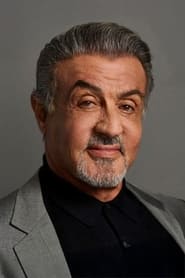
Joe Tanto, played by Sylvester Stallone, is initially reluctant to return to racing after a traumatic experience that left him disillusioned. However, his motivation to return is reignited when he sees the struggles of young driver Jimmy Bly, who is under immense pressure to succeed. Joe feels a sense of responsibility to mentor Jimmy and help him navigate the challenges of the racing world, which ultimately pulls him back into the sport.
How does the relationship between Joe Tanto and Jimmy Bly evolve throughout the film?
The relationship between Joe Tanto and Jimmy Bly starts off as one of mentor and mentee, with Joe initially being skeptical of Jimmy's abilities and the pressures he faces. As the story progresses, Joe becomes more invested in Jimmy's success, offering guidance and support. Their bond deepens as they face challenges together, including the intense competition and personal struggles, leading to a mutual respect and understanding that transcends their initial dynamic.
What role does the character of Beau Brandenburg play in the story?
Beau Brandenburg, portrayed by Kip Pardue, is a rising star in the racing world and serves as a primary rival to Jimmy Bly. His character embodies the pressures and rivalries of professional racing, often pushing Jimmy to his limits. Beau's aggressive driving style and confidence create tension, particularly as he seeks to prove himself against the backdrop of Joe Tanto's legacy. His interactions with both Joe and Jimmy highlight the competitive nature of the sport and the personal stakes involved.
How does the film depict the impact of fame and pressure on young drivers like Jimmy Bly?
The film vividly illustrates the intense pressure that young drivers like Jimmy Bly face as they navigate fame and expectations. Jimmy is portrayed as a talented but vulnerable character, struggling with the weight of his newfound success and the demands of sponsors and fans. This pressure manifests in moments of self-doubt and anxiety, particularly as he competes against seasoned drivers. The film captures his emotional turmoil through scenes of isolation, public scrutiny, and the toll that racing takes on his personal life.
What is the significance of the racing scenes in Driven, and how do they contribute to character development?
The racing scenes in Driven are not just thrilling spectacles; they serve as critical moments for character development. Each race reflects the internal struggles of the characters, particularly Joe and Jimmy. The high-speed action and intense competition force them to confront their fears, ambitions, and relationships. For Joe, racing becomes a way to reclaim his identity and mentor Jimmy, while for Jimmy, each race is a test of his resolve and growth as a driver. The cinematography captures the adrenaline and danger of racing, enhancing the emotional stakes for the characters involved.
Is this family friendly?
"Driven," produced in 2001, is primarily a racing drama that features intense competition and high-stakes situations. While it may appeal to fans of motorsports, there are several aspects that could be considered objectionable or upsetting for children or sensitive viewers:
-
Language: The film contains strong language, including profanity, which may not be suitable for younger audiences.
-
Violence: There are scenes depicting car crashes and accidents that can be intense and may evoke feelings of danger or fear. The portrayal of injuries resulting from these crashes can be graphic.
-
Adult Themes: The film explores themes of ambition, rivalry, and personal struggles, which may include moments of emotional distress and conflict among characters.
-
Substance Use: There are instances of characters consuming alcohol, which may not be appropriate for younger viewers.
-
Romantic Content: The film includes romantic relationships that may involve suggestive situations or discussions, which could be uncomfortable for some audiences.
Overall, while "Driven" focuses on the excitement of racing, its mature themes and content may not make it suitable for a family-friendly viewing experience.







