









Popular
What adventures do Jack and Annie embark on in the Magic Tree House?
How do Jack and Annie discover the Magic Tree House?
What is the significance of the books in the Magic Tree House?
Who are the main antagonists that Jack and Annie face during their adventures?
What lessons do Jack and Annie learn from their adventures in the Magic Tree House?
Should I watch it?
Ask Your Own Question

What is the plot?
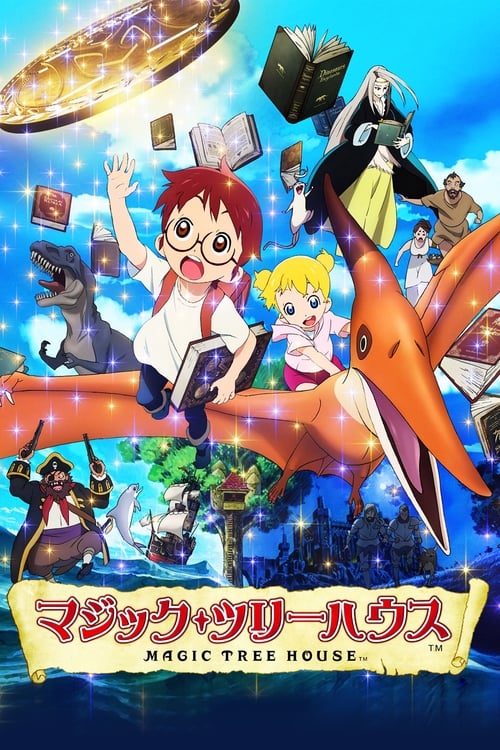
Jack and Annie live in Frog Creek, Pennsylvania, where their personalities already clash in the way that will define the whole adventure: Jack is cautious, bookish, and happiest when he can read a plan into existence, while Annie is fearless, impulsive, and always ready to leap before looking. One ordinary day, after the two are playing together and chasing a weasel into the woods, the chase leads them to a hidden wooden tree house that feels less like a shelter and more like a secret waiting to be spoken aloud. Inside, they find books that are not just books at all, but magical gateways. When Jack and Annie engage with them and make the wish to go there, the tree house answers, and the world around them begins to bend.
The first time the magic truly reveals itself, Jack's fascination with the books and Annie's impatience collide into wonder. The tree house carries them away from Frog Creek and drops them into a different time and place, with the film quickly establishing that this is no dream but a mechanism for travel across history. The structure of the adventure becomes clear almost immediately: the children are not simply sightseeing. They are being pulled into a mission tied to a mysterious sorceress, Morgan le Fay, and to the strange, urgent problem of how she has been cursed into the body of a mouse named Peanut. Merlin is revealed as the cause of that transformation, and the spell is not presented as a random cruelty but as a magical punishment that has gone wrong, forcing Jack and Annie into the role of rescuers. From the start, the story has the feeling of a test they did not ask for but cannot ignore.
The quest begins in earnest when Jack discovers that the medallions are the key to undoing the spell. There are four of them, each hidden in a different era, and each one must be found if Morgan is ever to be restored. That revelation changes the story from a simple magical accident into a race through time. The tree house becomes their vessel, and the books become their map. Annie throws herself into the adventure with barely contained excitement, while Jack keeps trying to understand the rules, the danger, and the logic behind the impossible. Their bond is what keeps the journey from breaking apart; every time Annie rushes forward and Jack hesitates, they drag each other into balance.
Their first destination is the late Cretaceous period, where the world is raw, immense, and filled with towering predators. The landscape is a fever dream of green heat and prehistoric silence, and the children are immediately dwarfed by the scale of it. The tension in this portion comes from the vulnerability of being small in a world that has no concern for them. The film uses the dinosaur setting as both spectacle and threat, and it is here that Jack's fear becomes tangible. He wants to survive, to observe, to think. Annie wants to explore, to keep moving, to trust that the adventure will reward courage. As they search for the medallion, they must keep themselves from being seen by creatures that can kill them in an instant. The danger presses in from every direction, and the quest feels less like a puzzle and more like a narrow escape from extinction. They survive by improvising, by following instinct, and by relying on each other when the situation turns too dangerous to control. The first medallion is recovered, and with it the children learn that each object is not just a token but proof that the mission is real.
The next stop carries them into a medieval castle, and the mood shifts from primal fear to old stone menace. The castle is heavy with shadows, narrow corridors, and the sense that they are trespassing in a world governed by rules they do not know. Here the adventure becomes more like a scavenger hunt inside a fortress of secrets. The children have to navigate the castle's interior, where every hallway can conceal danger and every room can hide a clue. The setting deepens the story's fantasy, but it also tightens the suspense, because the castle is less openly hostile than the dinosaur world and therefore more deceptive. Jack is drawn to the clues and the structure of the search, while Annie's boldness keeps them from becoming trapped by hesitation. They move through the stone chambers, find another medallion, and realize that the quest is more layered than it first appeared. The castle sequence reinforces the idea that the tree house is sending them not simply to places, but to tests designed to measure their courage, intelligence, and trust.
From there, the adventure becomes darker and more urgent as they are taken to Pompeii. The setting is one of looming catastrophe, and the film uses the historical backdrop to create a sense that time itself is on the brink of disaster. The children arrive in a city that is alive, bustling, and unaware of the destruction about to strike. That knowledge hangs over every moment. Even before the eruption becomes unavoidable, the air feels charged with the dread of a place standing directly in the path of a coming end. Jack and Annie must search in the middle of a civilization that is about to be buried by violence from the earth, and this makes their mission feel nearly impossible. The medallion is there, but so is the terror of being trapped when Mount Vesuvius erupts. The sequence builds a grim kind of suspense because the danger is not something they can fight or outwit in a simple way. It is historical inevitability, and the children are tiny against it. They push through the panic, recover what they need, and escape the collapsing world of Pompeii before the destruction swallows everything. The experience leaves them shaken and more determined, because now they understand that these trips are not safely packaged lessons. They are near-death journeys.
The final destination is a pirate ship, and the tone shifts again into swashbuckling peril. The sea opens the story outward, but the ship itself is a floating trap filled with rough voices, threat, and the suggestion of lawlessness. Pirates bring a different kind of tension: not the silent menace of dinosaurs, not the architectural maze of a castle, not the apocalyptic dread of Pompeii, but human danger sharpened into greed and violence. Jack and Annie must maneuver through a world where trust is almost nonexistent and where the medallion is hidden amid people who would not hesitate to exploit or endanger them. The pirate setting gives the quest its last burst of energy, and the children's growing confidence becomes visible. Jack is no longer just a nervous observer; he is learning how to act under pressure. Annie's bravery remains the engine of the whole journey, but now it is joined by experience. Together they survive the pirate threat, secure the last medallion, and complete the set.
Only then does the deeper truth of the adventure fully surface. The four medallions are not just collectible magical items; they are the pieces needed to reverse the spell on Morgan le Fay. The revelation that Morgan has been trapped in the form of Peanut changes the emotional center of the story. She is not merely a quest-giver but the very person the children are trying to save, and the film turns what could have been a simple fantasy errand into a rescue of identity itself. The children finally confront the full consequence of Merlin's magic: Morgan's tiny mouse body has hidden her true nature, and the mischief of the spell has become the burden they must carry through time. Merlin, who had cast or triggered the transformation, is revealed as the authority behind the whole ordeal. The story presents him less as a straightforward villain than as a magical force whose actions set the conflict in motion. That twist reframes everything the children have done. Every dinosaur they fled, every corridor they crossed, every ash-choked street they escaped, and every pirate they outmaneuvered has been part of restoring someone they could not even properly see at the start.
When the children bring together all four medallions, the spell finally breaks. The transformation is reversed, and Peanut becomes Morgan le Fay again. The moment has the feeling of a release after sustained pressure, like a deep breath after hours underwater. What had been a tiny, almost comical mouse becomes a restored sorceress, and the magic of the tree house resolves into its original purpose: not just transportation, but service to a larger enchanted order. The ending does not linger on triumph for its own sake. Instead, it closes by confirming that the children's journey mattered because it repaired the damage done at the beginning. Morgan is saved, the medallions have fulfilled their purpose, and the central mystery of Peanut's identity is finally explained in full.
No deaths occur in the film. The dinosaurs, the eruption at Pompeii, and the pirate threat all create constant risk, but the story keeps its focus on survival rather than loss. Morgan is transformed, not killed, and Merlin's magic operates as a curse and a lesson rather than a lethal blow. That matters because the emotional climax of the film is about restoration, not mourning. Jack and Annie have been tested by danger, but the adventure ends with life preserved and order renewed.
The final scenes return to the feeling that the tree house is an ongoing magical threshold rather than a one-time escape. The children have completed their mission, but the wonder of the tree house remains intact, and the story leaves them changed by what they have endured. Jack is still the careful reader, but he is less trapped by fear. Annie is still the daring spark, but now her boldness has been proven useful in the face of real danger. Together they have learned that curiosity and courage can move history itself when the magic demands it. The quest across time is complete, Morgan le Fay is restored, and the children stand at the end of the adventure with the knowledge that the tree house has made them part of something far larger than Frog Creek, Pennsylvania.
More Movies Like This
Browse All Movies →



What is the ending?
In the ending of the movie "Magic Tree House," Jack and Annie successfully return home after their adventures. They have learned valuable lessons about bravery, friendship, and the importance of knowledge. The story concludes with them reflecting on their journey and the magic of the tree house.
As the final scenes unfold, Jack and Annie find themselves back in their familiar tree house, surrounded by the comforting presence of the books that had transported them through time and space. They share a moment of relief and joy, realizing that they have not only completed their quest but have also grown as individuals. Jack, who had been cautious and hesitant at the beginning of their journey, now feels a sense of confidence and accomplishment. Annie, ever the adventurous spirit, is filled with excitement about the possibilities that lie ahead.
The tree house begins to spin, and they are whisked back to their home in the present day. As they step out of the tree house, they are greeted by the familiar sights and sounds of their backyard. The sun is shining, and the world feels vibrant and full of potential. They exchange smiles, knowing that their bond has deepened through their shared experiences.
In the final moments, Jack and Annie look at each other, their eyes sparkling with the magic of their adventure. They understand that the tree house will always be there for them, ready to take them on new adventures whenever they are ready. The film closes with a sense of hope and wonder, emphasizing the importance of curiosity and the power of imagination.
Now, let's delve into the ending in a more detailed, chronological narrative.
As the climax of their adventure approaches, Jack and Annie find themselves in a tense situation, facing the final challenge that will determine their success. They have been on a quest to retrieve a special item that holds the key to saving a magical creature. The stakes are high, and both characters feel the weight of their responsibility. Jack, who has always been the more cautious of the two, grapples with his fears, while Annie's adventurous spirit drives her forward.
In the midst of their challenge, they encounter obstacles that test their resolve. Jack's initial hesitation is palpable; he worries about the consequences of failure. However, Annie's unwavering belief in their mission inspires him to push through his doubts. Together, they navigate through a series of trials, showcasing their teamwork and the strength of their friendship. Each challenge they face brings them closer, reinforcing their bond and highlighting their individual strengths.
As they finally retrieve the magical item, a sense of triumph washes over them. They realize that their journey has not only been about the quest but also about the growth they have experienced along the way. Jack feels a newfound confidence, while Annie's excitement is infectious. They share a moment of celebration, acknowledging the importance of their partnership.
With the item secured, they make their way back to the tree house. The familiar surroundings of the tree house evoke a sense of comfort and safety. As they climb inside, they feel a rush of nostalgia, reflecting on the adventures they have had. The tree house begins to spin, and they are transported back to their backyard.
Emerging from the tree house, Jack and Annie are greeted by the warmth of the sun and the familiar sounds of their home. They take a moment to absorb their surroundings, feeling a deep sense of gratitude for their experiences. Jack looks at Annie, and they share a knowing smile, understanding that they have changed for the better.
In the final scene, they sit together in the grass, discussing their next adventure. The tree house stands tall behind them, a symbol of endless possibilities. Jack expresses his excitement about what lies ahead, while Annie's eyes sparkle with anticipation. They realize that the magic of the tree house is not just in the adventures it offers but in the lessons they have learned and the bond they have forged.
As the camera pulls away, the scene fades to a close, leaving viewers with a sense of wonder and the belief that every adventure is just the beginning of something new. Jack and Annie's journey has come to a satisfying conclusion, but the door to future adventures remains wide open, emphasizing the themes of curiosity, friendship, and the magic of imagination.
Is there a post-credit scene?
The movie "Magic Tree House," produced in 2012, does not feature a post-credit scene. The film concludes its narrative without any additional scenes or content after the credits roll. The story wraps up with the main characters, Jack and Annie, having completed their adventure, reflecting on their experiences and the lessons learned throughout their journey. The absence of a post-credit scene allows the audience to leave with the sense of closure that the characters have found in their quest.
What adventures do Jack and Annie embark on in the Magic Tree House?
In the movie 'Magic Tree House,' Jack and Annie, siblings who discover a magical tree house, embark on various adventures that take them to different historical periods and locations. They travel to ancient Egypt to find a lost treasure, explore the time of dinosaurs, and even visit the Arctic to help a polar bear. Each adventure is filled with challenges that test their bravery and intelligence.
How do Jack and Annie discover the Magic Tree House?
Jack and Annie discover the Magic Tree House while exploring the woods near their home. They stumble upon the tree house, which is filled with books. When they open a book about dinosaurs, they are magically transported back in time to the age of dinosaurs, marking the beginning of their incredible adventures.
What is the significance of the books in the Magic Tree House?
The books in the Magic Tree House serve as portals to different times and places. Each book contains information about the specific era or location they are about to visit, providing Jack and Annie with knowledge that helps them navigate their adventures. The books also symbolize the power of knowledge and imagination.
Who are the main antagonists that Jack and Annie face during their adventures?
Throughout their adventures, Jack and Annie encounter various antagonists, including a menacing sorceress in one of their journeys who tries to thwart their quest. They also face natural challenges, such as dangerous dinosaurs and treacherous weather conditions, which test their resolve and teamwork.
What lessons do Jack and Annie learn from their adventures in the Magic Tree House?
Jack and Annie learn valuable lessons about courage, friendship, and the importance of working together. Each adventure teaches them to face their fears, think critically, and rely on each other's strengths to overcome obstacles, ultimately growing as individuals and as siblings.
Is this family friendly?
The movie "Magic Tree House," produced in 2012, is generally considered family-friendly, aimed primarily at children and young audiences. However, there are a few scenes and aspects that might be potentially objectionable or upsetting for some children or sensitive viewers:
-
Mild Peril: The protagonists, Jack and Annie, face various challenges and dangers during their adventures, which may include encounters with wild animals or treacherous situations that could evoke feelings of fear or anxiety.
-
Emotional Moments: There are scenes that explore themes of loss, separation, or the fear of failure, which may resonate deeply with sensitive viewers, potentially leading to emotional distress.
-
Conflict: The characters may experience conflicts with antagonistic forces or characters, which could include moments of tension or confrontation that might be unsettling for younger children.
-
Dark Imagery: Some scenes may feature darker settings or elements that could be visually intense, such as stormy weather or eerie landscapes, which might be frightening for very young viewers.
Overall, while the film is designed to be entertaining and educational, parents may want to consider these elements when deciding if it is suitable for their children.









