




Popular
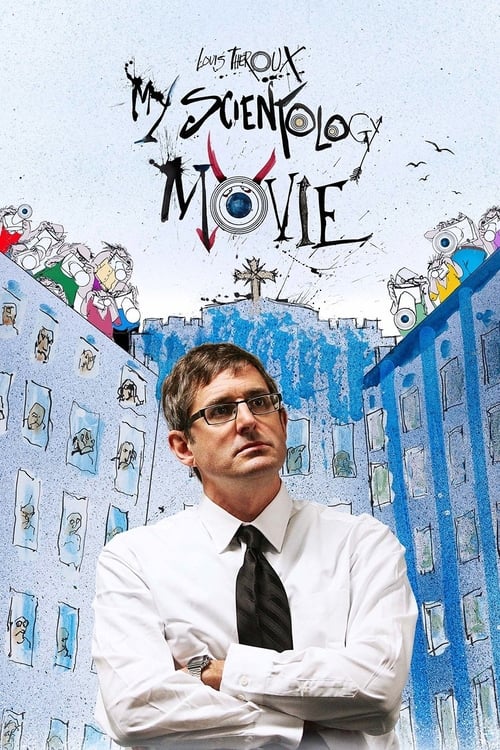
Who is Louis Theroux and what role does he play in the film?
What is the significance of the reenactments in the film?
How does the Church of Scientology respond to Louis Theroux's investigation?
What role do former Scientology members play in the film?
What is the impact of the film's exploration of the concept of 'disconnection'?
Should I watch it?
Ask Your Own Question

What is the plot?
Sorry, we aren't able to watch and write up a full detailed plot yet. Check back in a few days.
More Movies Like This
Browse All Movies →


What is the ending?
In the ending of "My Scientology Movie," Louis Theroux confronts the Church of Scientology and its practices, culminating in a tense standoff outside the church's headquarters. The film concludes with a sense of unresolved tension, as Theroux reflects on the experience and the challenges of exposing the church's inner workings.
As the film approaches its conclusion, Louis Theroux, the filmmaker, has been deeply immersed in the world of Scientology, attempting to understand its inner workings and the experiences of former members. He has conducted interviews with ex-Scientologists, including those who have shared harrowing stories of their time within the church. These interviews have painted a vivid picture of the emotional and psychological toll that the organization can take on individuals.
In the final scenes, Theroux and his team decide to confront the Church of Scientology directly. They set up a series of reenactments based on the testimonies of former members, which serve to illustrate the church's controversial practices. The reenactments are both dramatic and unsettling, showcasing the fear and control that many ex-members describe. As they film these scenes, the tension builds, and the church's representatives become increasingly aware of Theroux's activities.
The climax occurs when Theroux and his crew attempt to film outside the Scientology headquarters in Los Angeles. They are met with a heavy security presence, and the atmosphere becomes charged with confrontation. Theroux, determined to capture the reality of the situation, engages with the church's security personnel, who are instructed to keep him at bay. The standoff is palpable, with Theroux's frustration evident as he tries to gain access to the church and its members.
As the confrontation escalates, Theroux reflects on the nature of his pursuit. He grapples with the realization that the church operates in a realm of secrecy and intimidation, making it difficult to uncover the truth. The film captures his emotional state, revealing a mix of determination and vulnerability as he faces the powerful organization.
In the final moments, Theroux is left standing outside the church, contemplating the challenges he has faced in his quest for understanding. The film closes with a sense of ambiguity, leaving viewers to ponder the complexities of Scientology and the impact it has on those involved. The fate of the main characters, including Theroux and the ex-Scientologists, remains unresolved, highlighting the ongoing struggle against the church's influence and the personal battles that each individual continues to face.
Is there a post-credit scene?
In "My Scientology Movie," there is no post-credit scene. The film concludes without any additional footage or scenes after the credits roll. The documentary wraps up its exploration of the Church of Scientology and its practices, leaving viewers with the insights and revelations presented throughout the film. The focus remains on the main narrative and the experiences of those involved, rather than extending the story further in a post-credit sequence.
Who is Louis Theroux and what role does he play in the film?
Louis Theroux is the filmmaker and narrator of 'My Scientology Movie.' He embarks on a journey to explore the Church of Scientology, using his unique style of documentary filmmaking to investigate the organization's practices and beliefs. Throughout the film, he interacts with former members of the church and attempts to understand the inner workings of Scientology, often facing resistance from the church itself.
What is the significance of the reenactments in the film?
The reenactments in 'My Scientology Movie' serve to illustrate the experiences of former Scientology members. Louis Theroux collaborates with actors to dramatize their stories, which adds a layer of visual storytelling to the documentary. These scenes highlight the emotional and psychological impact of their experiences within the church, providing a stark contrast to the often secretive and controlled narrative presented by Scientology.
How does the Church of Scientology respond to Louis Theroux's investigation?
The Church of Scientology responds to Louis Theroux's investigation with hostility and attempts to intimidate him. Throughout the film, Theroux is followed by private investigators and faces various forms of harassment, which underscores the church's aggressive stance towards criticism. This reaction adds tension to the narrative, as Theroux navigates the challenges of uncovering the truth about Scientology.
What role do former Scientology members play in the film?
Former Scientology members play a crucial role in 'My Scientology Movie' as they share their personal stories and experiences within the church. Their testimonies provide insight into the inner workings of Scientology, revealing the emotional and psychological toll it took on them. These individuals serve as key witnesses to the practices of the church, helping to paint a more comprehensive picture of the organization that Theroux seeks to understand.
What is the impact of the film's exploration of the concept of 'disconnection'?
The film explores the concept of 'disconnection,' a practice within Scientology where members are encouraged to sever ties with those who are deemed 'suppressive' or critical of the church. This theme is significant as it highlights the emotional distress experienced by former members who have lost relationships with family and friends due to their departure from Scientology. The exploration of disconnection adds depth to the personal narratives shared in the film, illustrating the high personal cost of leaving the church.
Is this family friendly?
"My Scientology Movie," produced in 2016, is a documentary that explores the Church of Scientology through the lens of filmmaker Louis Theroux. While it is not explicitly designed for children, it does not contain graphic violence or explicit sexual content. However, there are several aspects that may be objectionable or upsetting for children or sensitive viewers:
-
Depictions of Emotional Distress: The film includes interviews with former members of the Church who recount their experiences, which can be emotionally intense and may evoke feelings of distress or discomfort.
-
Discussion of Manipulation and Control: The film addresses themes of psychological manipulation and control within the Church, which may be unsettling for younger audiences or those sensitive to discussions about coercive environments.
-
Confrontational Scenes: There are moments of confrontation between Theroux and Church representatives, which may be tense and could be perceived as aggressive or hostile.
-
Use of Strong Language: The documentary includes some strong language and potentially offensive remarks that may not be suitable for younger viewers.
-
Themes of Isolation: The film touches on the isolation experienced by former members, which could be upsetting for viewers who empathize with feelings of loneliness or abandonment.
Overall, while the film is not overtly graphic, its themes and emotional content may not be appropriate for all audiences, particularly children or those who are sensitive to such topics.








