





Popular
What motivates the character of The Wanderer throughout the film?
How does The Wanderer's relationship with his family evolve during the film?
What role does the setting play in The Wanderer's journey?
How does The Wanderer confront his past throughout the film?
What significant events shape The Wanderer's character development?
Should I watch it?
Ask Your Own Question

What is the plot?
Sorry, we aren't able to watch and write up a full detailed plot yet. Check back in a few days.








What is the ending?
In the ending of "The Wanderer," the main character, a young man named "D" who is a member of a Native American tribe, faces the consequences of his choices and the impact of his actions on his community. The film concludes with a sense of loss and reflection on the struggles of identity and belonging.
As the final scenes unfold, D is confronted with the reality of his decisions. He has been caught between the traditional ways of his people and the modern world, leading to a deep internal conflict. The emotional weight of his journey culminates in a poignant moment where he must choose between his personal desires and the expectations of his community.
In the last moments, D's fate is left ambiguous, symbolizing the ongoing struggle for identity among Native Americans. The film closes with a sense of unresolved tension, highlighting the complexities of cultural heritage and the search for belonging.
As the film approaches its conclusion, the atmosphere is thick with tension and uncertainty. D stands at a crossroads, both literally and metaphorically, as he grapples with the consequences of his actions. The sun sets in the background, casting long shadows that symbolize the weight of his choices.
Scene by scene, the narrative unfolds. D is seen walking through the village, his expression a mix of determination and doubt. The elders of the tribe gather, their faces etched with concern. They discuss the impact of D's decisions on the community, their voices heavy with the burden of tradition. D listens, feeling the weight of their expectations pressing down on him.
In a pivotal moment, D confronts his mentor, an elder who has guided him throughout his journey. The elder's eyes reflect a deep understanding of D's internal struggle. They share a heartfelt conversation about the importance of heritage and the responsibilities that come with it. D's voice trembles as he expresses his fears of losing his identity in a rapidly changing world.
As the night falls, a gathering takes place around a fire. The community comes together, sharing stories and songs that echo the traditions of their ancestors. D watches, feeling both a sense of belonging and isolation. The warmth of the fire contrasts with the chill of his uncertainty. He realizes that he is at a pivotal moment in his life, where he must decide what path to take.
In the final scenes, D makes a choice that reflects his growth. He steps forward, joining the circle of his people, symbolizing his acceptance of his heritage. The camera captures the expressions of the community, a mix of relief and pride. However, as the celebration continues, D's internal conflict remains palpable. He understands that while he has chosen to embrace his identity, the journey ahead will be fraught with challenges.
The film concludes with D standing at the edge of the village, looking out into the horizon. The sun rises, casting a golden light over the landscape. This moment signifies hope and the possibility of reconciliation between his past and future. Yet, the ambiguity of his fate lingers, leaving the audience to ponder the complexities of identity and belonging.
As the credits roll, the fates of the main characters are left open-ended. D's journey is one of self-discovery, and while he has taken a step towards embracing his heritage, the path ahead remains uncertain. The elders continue to guide the community, embodying the strength of tradition. The film closes with a sense of reflection on the ongoing struggle for identity, leaving viewers with a poignant reminder of the importance of understanding one's roots.
Is there a post-credit scene?
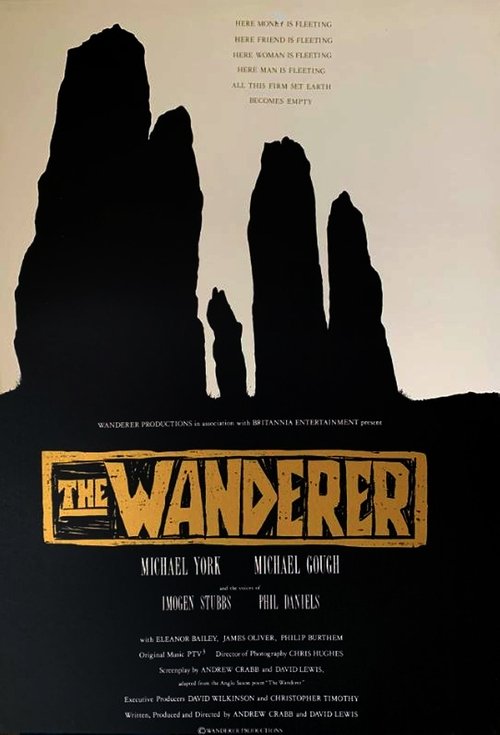
The movie "The Wanderer," produced in 1991, does not have a post-credit scene. The film concludes its narrative without any additional scenes or content after the credits roll. The story wraps up with the main character's journey and the themes of identity and belonging being fully explored within the film's runtime.
What motivates the character of The Wanderer throughout the film?
The Wanderer, portrayed by a young man named 'Duke', is driven by a deep sense of longing for freedom and a search for identity. His journey is marked by a desire to escape the constraints of his past and the expectations placed upon him by society. This internal conflict fuels his actions as he navigates through various relationships and experiences.
How does The Wanderer's relationship with his family evolve during the film?
Throughout the film, The Wanderer's relationship with his family is strained and complex. Initially, he feels suffocated by their expectations and the weight of family legacy. As the story progresses, moments of reconciliation occur, revealing the underlying love and concern they have for him, which ultimately leads to a deeper understanding of his own identity.
What role does the setting play in The Wanderer's journey?
The setting of The Wanderer is crucial to the narrative, as it reflects the protagonist's internal struggles. The vast landscapes symbolize freedom and the unknown, while urban environments represent the constraints of society. Each location Duke visits serves as a backdrop for his emotional growth and the choices he must confront.
How does The Wanderer confront his past throughout the film?
The Wanderer confronts his past through a series of flashbacks and encounters with figures from his earlier life. These moments are often filled with tension and regret, forcing him to face the decisions that have shaped him. This confrontation is pivotal in his quest for self-acceptance and understanding.
What significant events shape The Wanderer's character development?
Key events that shape The Wanderer's character include his encounters with various mentors and friends who challenge his worldview, as well as moments of crisis that force him to make difficult choices. Each of these experiences contributes to his growth, pushing him towards a more profound understanding of himself and his place in the world.
Is this family friendly?
"The Wanderer," produced in 1991, is a film that explores themes of identity, belonging, and the struggles of a young man navigating life in a challenging environment. While it has moments of emotional depth and character development, there are several aspects that may be considered objectionable or upsetting for children or sensitive viewers:
-
Violence and Conflict: The film contains scenes of physical altercations and confrontations that may be intense or distressing.
-
Substance Abuse: There are references to drug use and the impact of addiction, which may be troubling for younger audiences.
-
Emotional Turmoil: Characters experience significant emotional struggles, including feelings of isolation, despair, and conflict, which could be heavy for sensitive viewers.
-
Themes of Loss: The narrative includes elements of loss and grief that may resonate deeply and evoke strong emotions.
-
Mature Relationships: There are complex interpersonal relationships that may involve themes of betrayal and heartbreak, which could be difficult for younger viewers to process.
Overall, while "The Wanderer" offers a rich narrative, its themes and certain scenes may not be suitable for all audiences, particularly children or those who are sensitive to such content.







