
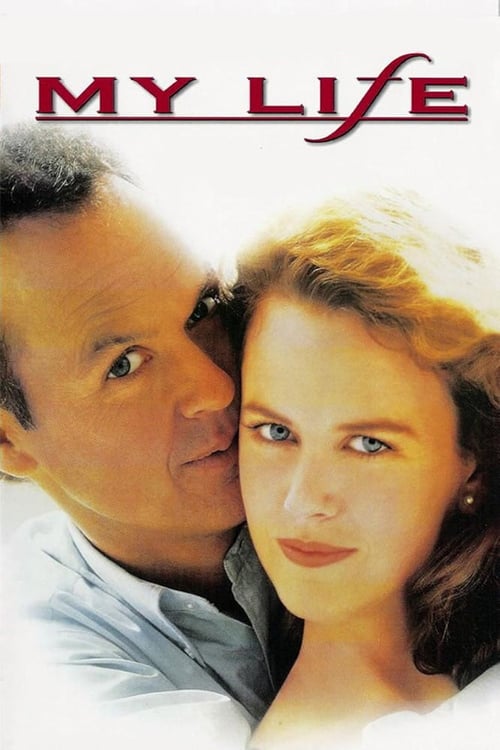
































Popular
What is the significance of the main character's job in the film?
How does Bob's relationship with his wife, Gail, evolve throughout the film?
What role does Bob's family play in his journey throughout the film?
How does Bob's illness impact his perspective on life and death?
What is the significance of the video tapes Bob creates for his unborn child?
Should I watch it?
Ask Your Own Question

What is the plot?
Sorry, we aren't able to watch and write up a full detailed plot yet. Check back in a few days.








What is the ending?
In the ending of "My Life," Bob Jones, who is terminally ill, comes to terms with his impending death. He records messages for his unborn child, sharing his hopes and fears. In a poignant moment, he passes away, leaving behind a legacy of love and wisdom for his family. His wife, Gail, is left to navigate life without him, but she finds strength in the memories they created together.
As the film approaches its conclusion, we see Bob Jones, played by Michael Keaton, grappling with the reality of his terminal cancer diagnosis. He has been documenting his thoughts and feelings on video, intending to leave a message for his unborn child. This act becomes a central focus of his final days, as he strives to impart his wisdom and love to a child he will never meet.
Scene by scene, the ending unfolds with emotional weight.
In one of the final sequences, Bob sits in front of the camera, his face a mixture of vulnerability and determination. He speaks directly to his child, sharing stories from his life, his dreams for the future, and the love he has for both the child and his wife, Gail, portrayed by Nicole Kidman. The camera captures the raw emotion in his eyes, reflecting his fear of leaving them behind and his desire to be a guiding presence even after his death.
As he records these messages, we see flashbacks of his life with Gail, filled with laughter, love, and the bittersweet moments that define their relationship. These memories serve as a backdrop to his current struggle, emphasizing the depth of their bond and the impending loss that looms over them.
In a particularly poignant moment, Bob and Gail share a quiet evening together. They sit on the couch, surrounded by the warmth of their home, and engage in a heartfelt conversation about their hopes for the future. Bob expresses his fears about not being there for their child, while Gail reassures him of the strength they have as a family. This scene encapsulates their love and the emotional turmoil they both face as they confront the reality of Bob's illness.
As the days pass, Bob's health deteriorates. He becomes weaker, and the toll of his illness is evident. In a final act of love, he records one last message, where he tells his child to embrace life, to love deeply, and to cherish every moment. His voice trembles with emotion, and the weight of his words resonates with the audience, highlighting the film's central themes of love, legacy, and the fragility of life.
In the final moments of the film, Bob passes away peacefully, surrounded by the love of his family. The scene is quiet, filled with a sense of loss but also a profound understanding of the love that will continue to live on through his child and Gail. The camera lingers on Gail as she processes her grief, her face a mixture of sorrow and strength. She is left to navigate the world without Bob, but the memories and lessons he imparted remain a guiding light for her and their child.
The film concludes with a sense of hope, as Gail embraces the future, determined to honor Bob's memory and raise their child with the love and values he instilled in her. The legacy of Bob Jones lives on, not just in the memories they shared, but in the life of their child, who will carry forward the love of a father he never met.
Is there a post-credit scene?
The movie "My Life," produced in 1993, does not have a post-credit scene. The film concludes with a poignant and emotional ending that wraps up the story of Bob Jones, played by Michael Keaton, as he faces terminal cancer and reflects on his life while preparing for the arrival of his child. The narrative focuses on themes of love, legacy, and the impact of life choices, leaving the audience with a sense of closure as the credits roll. There are no additional scenes or content after the credits.
What is the significance of the main character's job in the film?
The main character, Bob Jones, played by Michael Keaton, is a successful advertising executive. His job is significant as it represents his initial detachment from personal relationships and emotional vulnerability. As he faces terminal illness, his work life contrasts sharply with his personal struggles, highlighting the importance of family and connection.
How does Bob's relationship with his wife, Gail, evolve throughout the film?
Bob's relationship with his wife, Gail, portrayed by Nicole Kidman, evolves from a somewhat strained dynamic to a deeper emotional connection. Initially, Bob's focus on his career and his reluctance to confront his illness create distance between them. However, as he grapples with his impending death, he becomes more open and vulnerable, leading to moments of intimacy and understanding between them.
What role does Bob's family play in his journey throughout the film?
Bob's family, particularly his parents and his unborn child, play a crucial role in his emotional journey. His relationship with his parents is complex, filled with unresolved issues and a longing for reconciliation. As he prepares for fatherhood, he reflects on the legacy he will leave behind, which drives him to confront his fears and ultimately seek to impart wisdom and love to his child.
How does Bob's illness impact his perspective on life and death?
Bob's terminal illness profoundly impacts his perspective on life and death. Initially, he struggles with denial and anger, focusing on his career and avoiding the reality of his situation. However, as he faces the inevitability of his death, he begins to appreciate the small moments in life, the importance of love, and the need to create lasting memories for his family, leading to a transformative journey of acceptance.
What is the significance of the video tapes Bob creates for his unborn child?
The video tapes that Bob creates for his unborn child serve as a poignant narrative device that encapsulates his desire to connect with his child despite his impending death. These tapes are filled with personal stories, life lessons, and expressions of love, symbolizing his hope to guide and support his child even after he is gone. They represent his struggle to leave a legacy and the emotional weight of his impending absence.
Is this family friendly?
"My Life," produced in 1993, is a drama that deals with heavy themes and emotional content, making it less suitable for younger audiences or sensitive viewers. Here are some potentially objectionable or upsetting aspects:
-
Terminal Illness: The central character, Bob Jones, is diagnosed with terminal cancer, which leads to discussions about death and dying. This theme may be distressing for children or those sensitive to illness.
-
Emotional Turmoil: The film explores deep emotional struggles, including fear, sadness, and anxiety related to impending death, which can be intense and overwhelming.
-
Family Dynamics: There are scenes that depict strained family relationships and the impact of illness on loved ones, which may evoke feelings of discomfort or sadness.
-
Grief and Loss: The film addresses the concepts of grief and the process of coming to terms with loss, which can be particularly heavy for younger viewers.
-
Mature Themes: The narrative includes discussions about life choices, legacy, and the impact of one's life on others, which may be complex for children to fully understand.
Overall, while the film carries a poignant message about life and love, its themes and emotional weight may not be appropriate for all audiences, especially children.







