






Popular
What role does the setting play in the development of the story?
What is the significance of the character Jack's duality in Nature of the Beast?
How does the character of the police officer, played by Lance Henriksen, contribute to the plot?
How does the relationship between Jack and the woman he meets evolve throughout the film?
What are the key moments that reveal Jack's violent tendencies?
Should I watch it?
Ask Your Own Question

What is the plot?
Sorry, we aren't able to watch and write up a full detailed plot yet. Check back in a few days.


What is the ending?
In the ending of "Nature of the Beast," the tension culminates in a violent confrontation between the main characters, leading to a shocking revelation about their true natures. The film concludes with a sense of ambiguity regarding the characters' fates, leaving the audience to ponder the implications of their actions.
As the final act unfolds, we find ourselves in a dimly lit cabin where the atmosphere is thick with tension. The protagonist, a man named Jack, is grappling with the aftermath of a series of violent events that have transpired. He is visibly shaken, his hands trembling as he recalls the harrowing experiences he has endured. The cabin, rustic and isolated, serves as a stark backdrop to the emotional turmoil Jack is facing.
In a pivotal scene, Jack confronts his companion, a man named Paul, who has been a source of both camaraderie and suspicion throughout their journey. The air is charged with unspoken accusations as Jack demands answers about the mysterious circumstances surrounding their encounters. Paul, maintaining a calm demeanor, reveals his own dark secrets, hinting at a past filled with violence and betrayal. The tension escalates as Jack's fear and anger boil over, leading to a physical altercation between the two men.
As they grapple with each other, the struggle becomes a metaphor for their internal conflicts. Jack, representing the struggle between good and evil, fights against the darker impulses that Paul embodies. The cabin, once a sanctuary, transforms into a battleground where their true natures are laid bare. The fight is brutal, with both men exchanging blows that reflect their emotional states--Jack's desperation and Paul's cold detachment.
In the midst of the chaos, a gunshot rings out, echoing through the cabin. The sound reverberates, marking a turning point in the confrontation. Jack, wounded and gasping for breath, realizes the extent of the violence that has unfolded. As he lies on the floor, the camera captures the raw emotion on his face--fear, regret, and a flicker of understanding about the nature of humanity.
In the final moments, Paul stands over Jack, the gun still smoking in his hand. The audience is left to grapple with the implications of this act. Paul, having revealed his true self, walks away from the scene, leaving Jack to confront the consequences of their actions. The film closes with a lingering shot of Jack, alone in the cabin, embodying the struggle between light and darkness that has defined their journey.
The fates of the main characters are left ambiguous. Jack, though physically alive, is emotionally shattered, forced to reckon with the choices he has made and the darkness he has encountered. Paul, on the other hand, walks away unscathed, a representation of the predatory nature that exists within humanity. The ending leaves viewers questioning the true nature of the beast within each character, emphasizing the film's exploration of morality and the human condition.
Is there a post-credit scene?
The movie "Nature of the Beast," produced in 1995, does not have a post-credit scene. The film concludes its narrative without any additional scenes after the credits roll. The story wraps up with the resolution of the main plot, focusing on the characters' fates and the implications of their actions throughout the film. The absence of a post-credit scene aligns with the film's overall tone and structure, leaving the audience to reflect on the themes of trust, deception, and the duality of human nature presented in the story.
What role does the setting play in the development of the story?
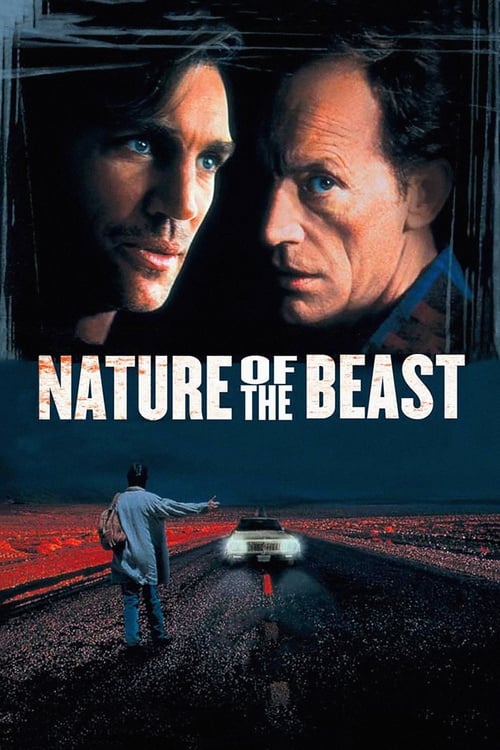
The film is set in a desolate, rural landscape that enhances the sense of isolation and danger. The stark, open spaces juxtaposed with the claustrophobic interiors of the characters' homes create a palpable tension. This setting not only reflects the characters' emotional states but also serves as a backdrop for the unfolding drama. The eerie atmosphere amplifies the suspense, making the audience acutely aware of the lurking dangers that Jack represents, as well as the vulnerability of the other characters.
What is the significance of the character Jack's duality in Nature of the Beast?
Jack, played by Eric Roberts, embodies a complex duality that drives the narrative. He presents himself as a charming and affable man, yet beneath this facade lies a darker, more sinister nature. This duality is crucial as it creates tension and suspense throughout the film, particularly in his interactions with other characters, such as the unsuspecting police officer and the woman he becomes involved with. Jack's internal struggle between his charming exterior and his violent impulses reflects the film's exploration of the nature of evil.
How does the character of the police officer, played by Lance Henriksen, contribute to the plot?
The police officer, who is investigating a series of murders, serves as a pivotal character that heightens the tension in the film. His relentless pursuit of the truth leads him to cross paths with Jack, creating a cat-and-mouse dynamic. The officer's determination to uncover Jack's true nature adds layers to the plot, as he becomes increasingly suspicious of Jack's actions. His character represents the law and order that contrasts sharply with Jack's chaotic and violent tendencies, ultimately driving the narrative towards its climax.
How does the relationship between Jack and the woman he meets evolve throughout the film?
Jack's relationship with the woman, who is initially drawn to his charm, evolves from flirtation to a deeper emotional connection. As the story progresses, her initial attraction is clouded by the realization of Jack's darker side. This relationship serves as a critical plot device, illustrating Jack's manipulative nature and the danger he poses. The woman's gradual awareness of Jack's true character creates a sense of dread, as she grapples with her feelings for him while recognizing the threat he embodies.
What are the key moments that reveal Jack's violent tendencies?
Key moments that reveal Jack's violent tendencies include his interactions with other characters, particularly when he loses his temper or feels threatened. One notable scene involves a confrontation where Jack's charming demeanor shifts to aggression, showcasing his capacity for violence. These moments are carefully crafted to build suspense, as the audience witnesses the stark contrast between Jack's outward charm and his inner rage. Each revelation of his violent nature escalates the tension, leading to a climax that forces other characters to confront the reality of who Jack truly is.
Is this family friendly?
"Nature of the Beast," produced in 1995, is not considered family-friendly due to its mature themes and content. Here are some potentially objectionable or upsetting aspects that may occur for children or sensitive viewers:
-
Violence: The film contains scenes of physical altercations and threats, which may be intense and unsettling.
-
Murder and Death: There are references to murder and the consequences of violent actions, which could be disturbing.
-
Psychological Tension: The film explores themes of paranoia and mistrust, creating a tense atmosphere that may be distressing.
-
Adult Language: The dialogue includes strong language that may not be suitable for younger audiences.
-
Mature Themes: The narrative delves into darker aspects of human nature, including betrayal and moral ambiguity, which may be challenging for sensitive viewers to process.
These elements contribute to a tone that is more appropriate for adult audiences rather than children.







