






















Popular
Should I watch it?
Ask Your Own Question

What is the plot?
Sorry, we aren't able to watch and write up a full detailed plot yet. Check back in a few days.






What is the ending?
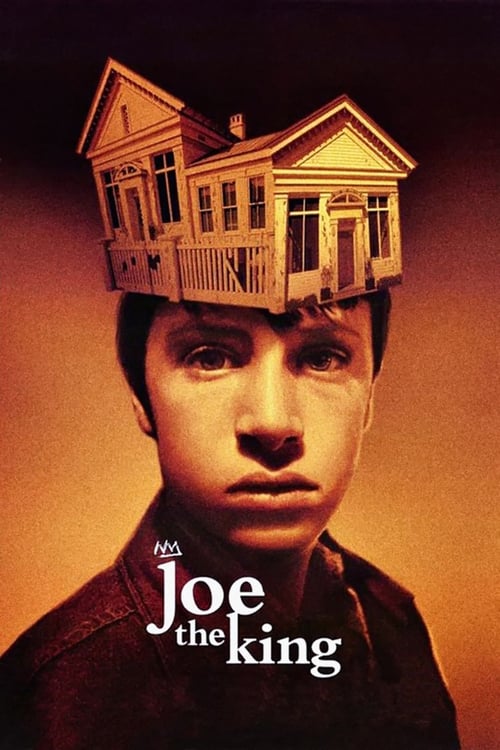
In the ending of "Joe the King," Joe confronts his father, leading to a pivotal moment of realization and change. After a series of struggles, Joe decides to take control of his life, ultimately leaving his troubled home behind. The film concludes with a sense of hope for Joe's future, as he steps into a new chapter away from his past.
As the film approaches its conclusion, we find Joe grappling with the weight of his family dynamics and the harsh realities of his life. The scene opens in the dimly lit kitchen of their home, where Joe's father, a heavy-drinking man, is seated at the table, his face etched with weariness and anger. Joe enters, his expression a mix of defiance and fear. The tension in the room is palpable, as the air thickens with unspoken words and unresolved conflicts.
Joe's father, played by a gruff actor, begins to berate him, lashing out with words that cut deep. Joe stands his ground, his heart racing, feeling the familiar sting of his father's disappointment. The camera captures the flicker of emotions on Joe's face--hurt, anger, and a flicker of determination. He knows he cannot continue living under his father's oppressive shadow.
In a moment of clarity, Joe speaks up, his voice steady despite the turmoil inside him. He tells his father that he refuses to be treated like a punching bag, that he is tired of the cycle of abuse and neglect. The confrontation escalates, and Joe's father, in a fit of rage, strikes him. The impact is jarring, and Joe stumbles back, but instead of retreating, he stands tall, tears brimming in his eyes but not falling. This moment signifies a turning point for Joe; he realizes that he has the power to change his circumstances.
The scene shifts to Joe's mother, who has been a silent observer of the chaos. She watches with a mix of fear and pride as her son finally stands up for himself. Her own struggles are evident, and she feels the weight of her inability to protect Joe from his father's wrath. In this moment, she silently supports Joe's decision to break free, even if it means leaving her behind.
As the confrontation reaches its climax, Joe makes a bold decision. He grabs a small bag, hastily packing a few belongings--clothes, a cherished book, and a photograph of happier times. The camera follows him as he walks out of the house, the door creaking ominously behind him. The sound echoes, symbolizing the finality of his departure from a life filled with pain.
Outside, the sun is setting, casting a warm glow over the neighborhood. Joe takes a deep breath, feeling the cool air fill his lungs. He walks away from the house, each step a release from the burdens he has carried for so long. The streets are quiet, and as he moves further away, a sense of hope begins to blossom within him. He is stepping into the unknown, but for the first time, he feels a flicker of freedom.
The film closes with a montage of Joe's journey ahead. He is seen walking through the city, his face a mixture of determination and vulnerability. The final shot lingers on him as he looks back one last time at the house, a bittersweet farewell to his past. The screen fades to black, leaving the audience with a sense of possibility for Joe's future, a young boy who has finally begun to take control of his own destiny.
In the aftermath of this pivotal moment, Joe's father is left alone in the house, consumed by his own demons. The weight of his actions hangs heavy in the air, and he is left to confront the reality of his choices. Joe's mother, though still trapped in her own struggles, watches her son leave with a mix of sorrow and hope, understanding that this may be the best decision for both of them.
The film concludes with a poignant reminder of the cycles of abuse and the strength it takes to break free, leaving the audience to reflect on the journey of a young boy who dared to reclaim his life.
Is there a post-credit scene?
The movie "Joe the King," produced in 1999, does not have a post-credit scene. The film concludes with a poignant ending that encapsulates the struggles and emotional journey of the protagonist, Joe Henry. After a series of challenging events in his life, including his tumultuous relationship with his father and the harsh realities of his upbringing, the film wraps up without any additional scenes after the credits. The focus remains on Joe's character development and the impact of his experiences, leaving the audience with a sense of closure regarding his story.
What is Joe's relationship with his father like throughout the film?
Joe's relationship with his father, played by Val Kilmer, is fraught with tension and emotional turmoil. His father is an abusive alcoholic, which deeply affects Joe's self-esteem and sense of security. Joe often feels trapped in a cycle of fear and resentment, leading to moments of rebellion and a desperate need for approval.
How does Joe cope with the bullying he faces at school?
Joe copes with bullying at school by internalizing his pain and often retreating into his own thoughts. He experiences feelings of isolation and helplessness, which are exacerbated by his home life. At times, he lashes out in anger, but he also seeks solace in his friendships, particularly with his classmate, who provides a brief escape from his harsh reality.
What role does Joe's mother play in his life?
Joe's mother is a complex figure in his life, portrayed as a woman who is largely overwhelmed by her husband's alcoholism and the family's struggles. She tries to maintain a semblance of normalcy and support for Joe, but her own emotional struggles often leave her unable to provide the stability and protection he desperately needs. Joe feels a mix of love and disappointment towards her.
What significant event leads Joe to run away from home?
A significant event that leads Joe to run away from home occurs after a particularly violent confrontation with his father. Following an episode of physical abuse, Joe feels he can no longer endure the pain and chaos of his home life. This moment of desperation propels him to seek refuge elsewhere, highlighting his longing for freedom and a better life.
How does Joe's experience in the juvenile detention center affect him?
Joe's experience in the juvenile detention center is transformative yet harrowing. Initially, he feels a sense of relief from his chaotic home life, but he quickly realizes that the environment is harsh and unforgiving. The experience forces him to confront his anger and pain, leading to moments of introspection. He grapples with feelings of guilt and shame, but also begins to understand the importance of making choices that can lead to a better future.
Is this family friendly?
"Joe the King," produced in 1999, is not considered family-friendly due to its mature themes and content. Here are some potentially objectionable or upsetting aspects that may affect children or sensitive viewers:
-
Domestic Violence: The film depicts instances of physical and emotional abuse within the family, particularly involving Joe's father, which can be distressing to watch.
-
Substance Abuse: There are scenes that portray alcohol abuse, which can be troubling for younger audiences and those sensitive to such issues.
-
Bullying: Joe experiences bullying at school, which includes verbal and physical confrontations, highlighting themes of isolation and pain.
-
Family Dysfunction: The overall portrayal of a dysfunctional family environment may be upsetting, as it explores themes of neglect and emotional turmoil.
-
Emotional Struggles: Joe grapples with feelings of anger, sadness, and hopelessness, which may resonate deeply and evoke strong emotions in viewers.
These elements contribute to the film's serious tone and may not be suitable for younger audiences or those who are sensitive to such topics.









