
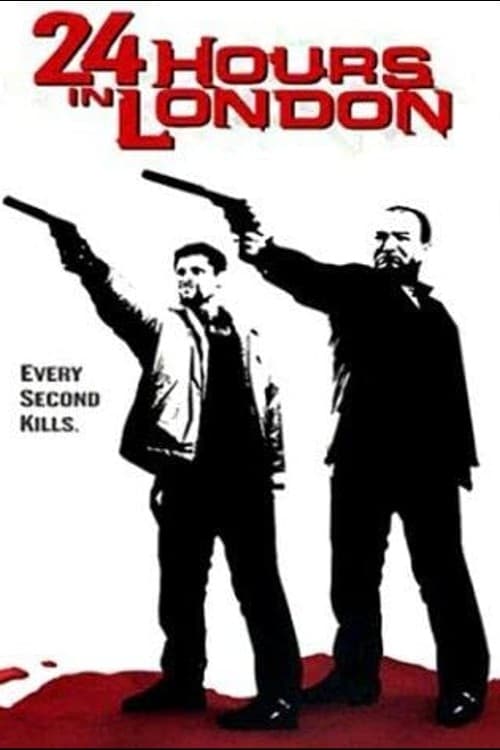




















Popular
What motivates the main character, a hitman, throughout the film?
How does the character of the police officer impact the storyline?
What is the significance of the ticking clock motif throughout the film?
How do the relationships between characters evolve during the 24 hours?
What role does the setting of London play in the film's narrative?
Should I watch it?
Ask Your Own Question

What is the plot?
Sorry, we aren't able to watch and write up a full detailed plot yet. Check back in a few days.
More Movies Like This
Browse All Movies →





What is the ending?
In the ending of "24 Hours in London," the film culminates in a tense confrontation between the main characters, leading to a tragic resolution. The protagonist, a man caught in a web of crime and betrayal, faces the consequences of his choices. The film concludes with a sense of loss and the harsh realities of life in the criminal underworld.
As the final act unfolds, the scene opens in a dimly lit warehouse, where the protagonist, Jack, is cornered by his former allies. The atmosphere is thick with tension, and the sound of distant sirens echoes, hinting at the impending chaos. Jack, desperate and fearful, reflects on his past decisions, realizing that he has been betrayed by those he once trusted. His internal struggle is palpable; he grapples with feelings of regret and the weight of his actions.
In a sudden turn, Jack confronts his betrayer, a man named Tony, who has orchestrated the downfall of their operation. The confrontation is charged with emotion, as Jack pleads for understanding, revealing his vulnerability. Tony, however, is cold and unyielding, driven by greed and a desire for power. The dialogue is sharp, filled with accusations and revelations that lay bare the fractured relationships among the characters.
As the standoff escalates, gunfire erupts. Jack, in a desperate attempt to escape, makes a run for it, but not before witnessing the fallout of his choices. The camera captures the chaos, with flashes of gunfire illuminating the dark corners of the warehouse. Jack's heart races as he navigates through the maze of crates and shadows, his mind racing with thoughts of survival.
In the midst of the chaos, Jack encounters his love interest, Sarah, who has been drawn into the conflict against her will. Their reunion is bittersweet, filled with unspoken words and a shared understanding of the danger surrounding them. Sarah's presence offers Jack a glimmer of hope, but the reality of their situation looms large. They exchange a brief, heartfelt moment, acknowledging the love that has been overshadowed by the violence of their lives.
As the police close in, the tension reaches its peak. Jack and Sarah make a desperate bid for freedom, but fate intervenes. In a tragic twist, Jack is shot during the escape, collapsing to the ground as Sarah screams in horror. The camera lingers on Jack's face, capturing the pain and realization of his impending fate. His life flashes before his eyes, filled with memories of better times, juxtaposed against the grim reality of his current situation.
In the final moments, Sarah cradles Jack in her arms, tears streaming down her face as she pleads for him to hold on. Jack's breathing becomes shallow, and he whispers words of love and regret, acknowledging the choices that led them to this moment. The sirens grow louder, and the screen fades to black, leaving the audience with a haunting sense of loss and the stark reminder of the consequences of a life steeped in crime.
The film concludes with a poignant message about the fragility of life and the impact of choices made in desperation. Each character's fate serves as a reflection of the harsh realities they faced, underscoring the themes of betrayal, love, and the inescapable consequences of their actions.
Is there a post-credit scene?
The movie "24 Hours in London," produced in 2000, does not feature a post-credit scene. The film concludes its narrative without any additional scenes or content after the credits roll. The story wraps up with the resolution of the main plot, focusing on the intense and intertwining lives of its characters over the course of a single day in London. The absence of a post-credit scene aligns with the film's straightforward storytelling approach, leaving the audience to reflect on the events that have transpired without any further revelations or cliffhangers.
What motivates the main character, a hitman, throughout the film?
The main character, a hitman named Jack, is driven by a complex mix of professional obligation and personal conflict. As he navigates through the chaotic events of the day, he grapples with his sense of morality and the consequences of his violent lifestyle. His internal struggle is heightened by the emotional weight of his past actions and the relationships he has with other characters, particularly his estranged daughter.
How does the character of the police officer impact the storyline?
The police officer, Detective Inspector Sarah, plays a crucial role in the narrative as she is determined to bring Jack to justice. Her relentless pursuit of him adds tension to the plot, as she is not only trying to solve a series of violent crimes but also grappling with her own personal demons. Her character represents the law's perspective on Jack's actions, creating a cat-and-mouse dynamic that drives the story forward.
What is the significance of the ticking clock motif throughout the film?
The ticking clock motif serves as a constant reminder of the limited time Jack has to complete his tasks and confront his past. It heightens the urgency of the plot, as each hour brings him closer to a critical decision that could change his life forever. This motif also reflects the theme of time running out for both Jack and the people around him, emphasizing the consequences of his choices.
How do the relationships between characters evolve during the 24 hours?
Throughout the 24 hours, the relationships between characters evolve significantly, particularly between Jack and his daughter. Initially estranged, their interactions reveal layers of regret and longing, showcasing Jack's desire for redemption. Meanwhile, the relationship between Jack and Detective Inspector Sarah becomes increasingly adversarial, as she seeks to understand his motivations while also trying to apprehend him. These evolving dynamics add depth to the characters and heighten the emotional stakes.
What role does the setting of London play in the film's narrative?
The setting of London is integral to the film's narrative, providing a vibrant yet gritty backdrop that reflects the chaos of Jack's life. Iconic locations serve as both a playground and a battleground for the characters, with the city's pulse mirroring the tension of the plot. The urban landscape enhances the sense of urgency and danger, as Jack navigates through crowded streets and dark alleys, making the city itself a character in the story.
Is this family friendly?
"24 Hours in London," produced in 2000, is not considered family-friendly due to its mature themes and content. The film contains several potentially objectionable or upsetting aspects, including:
-
Violence: The film features scenes of intense violence, including gunfights and physical confrontations that may be distressing for younger viewers.
-
Crime and Drug Use: The narrative revolves around criminal activities, including drug dealing and the associated dangers, which may be inappropriate for children.
-
Strong Language: There is frequent use of profanity throughout the film, which may not be suitable for sensitive audiences.
-
Emotional Turmoil: Characters experience significant emotional distress, including betrayal, loss, and desperation, which could be upsetting for some viewers.
-
Dark Themes: The overarching themes of crime, survival, and moral ambiguity may be too complex or heavy for younger audiences to process.
These elements contribute to a tone that is more appropriate for adult viewers rather than children or sensitive individuals.








