






















Popular
What is the significance of the final confrontation in the film?
How does the relationship between Jack and his partner evolve throughout the film?
What motivates the main character, Jack, to seek revenge throughout the film?
What role does the character of the detective play in Jack's journey?
How does the film depict the theme of loyalty through the character interactions?
Should I watch it?
Ask Your Own Question

What is the plot?
Sorry, we aren't able to watch and write up a full detailed plot yet. Check back in a few days.
More Movies Like This
Browse All Movies →

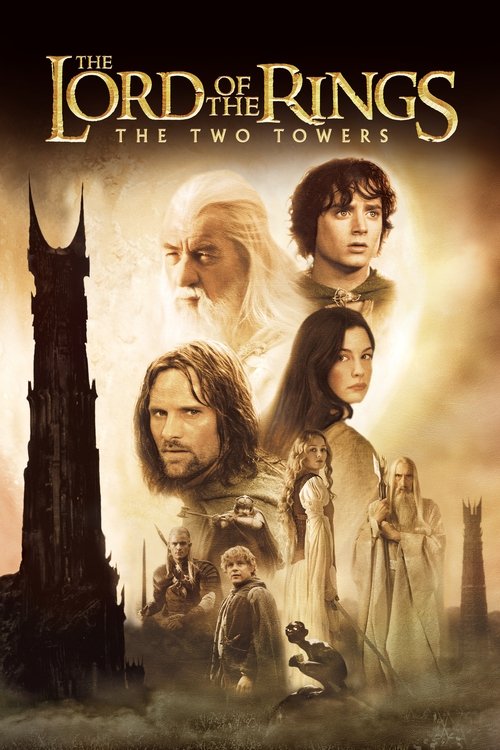
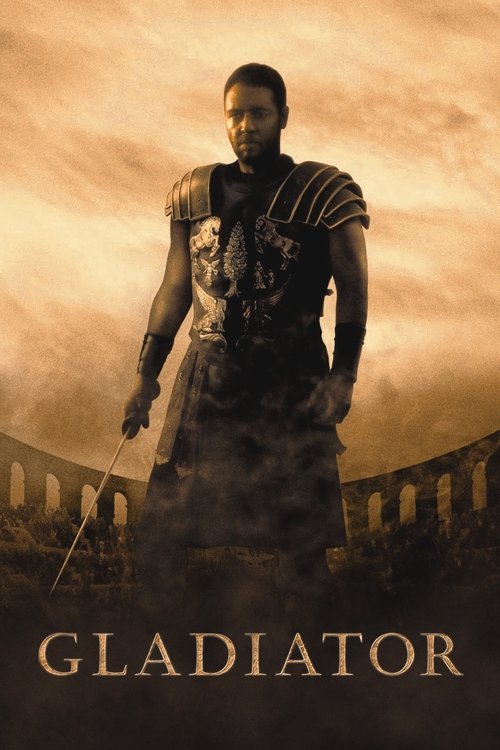

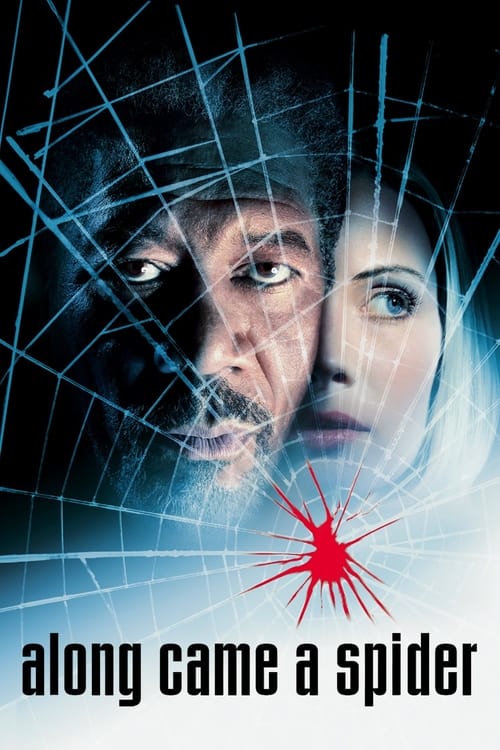
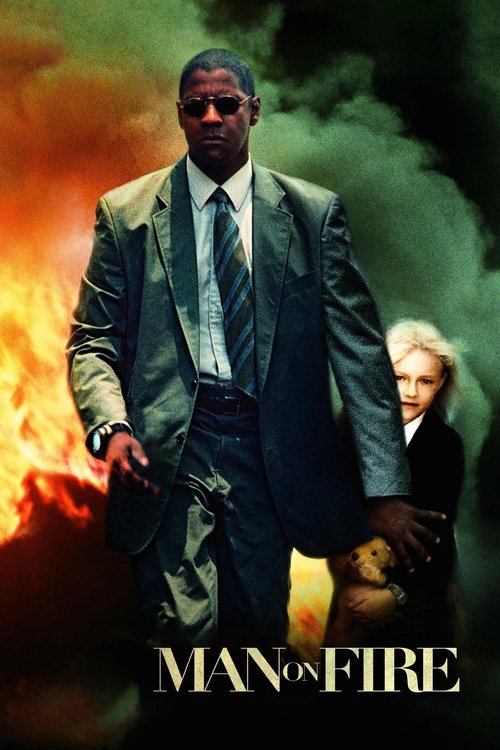
What is the ending?
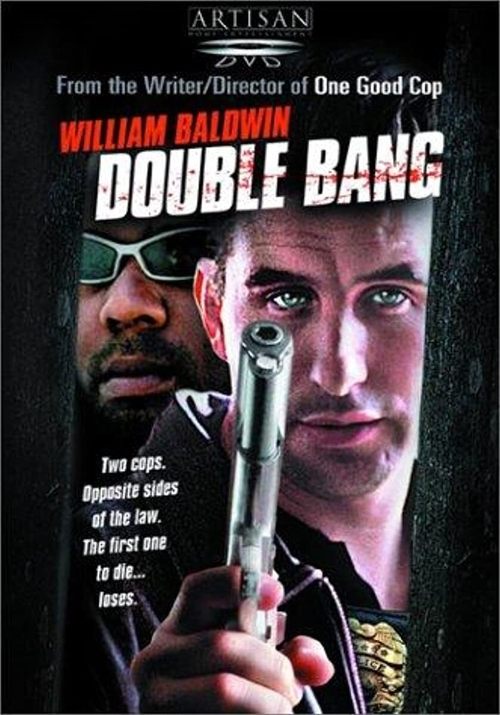
In the ending of "Double Bang," the story culminates in a tense confrontation that leads to a tragic resolution. The main character, a hitman named Jack, faces the consequences of his violent lifestyle, leading to a dramatic and fatal conclusion for several key characters.
As the film progresses towards its climax, Jack finds himself cornered by the repercussions of his actions. The tension builds as he confronts the reality of his choices, leading to a final showdown that leaves him and others in dire circumstances. Ultimately, Jack's fate is sealed in a moment of reckoning, highlighting the inescapable nature of his violent past.
As the film approaches its conclusion, the atmosphere is thick with tension. Jack, the hitman, is on the run, grappling with the weight of his decisions. The camera follows him through dimly lit alleyways, his face a mask of determination mixed with fear. He knows that the end is near, and the stakes have never been higher.
In a pivotal scene, Jack receives a call from his employer, who demands a final job. The urgency in the voice on the other end of the line is palpable, and Jack's internal conflict is evident. He hesitates, reflecting on the lives he has taken and the destruction he has caused. The audience can see the flicker of doubt in his eyes, a man torn between loyalty and morality.
As he prepares for the job, the film cuts to a series of flashbacks that reveal Jack's past--moments of camaraderie with his fellow hitmen, the thrill of the chase, and the gradual desensitization to violence. Each memory weighs heavily on him, and the emotional turmoil is clear. He is not just a killer; he is a man haunted by his choices.
The scene shifts to a dimly lit warehouse where the final confrontation is set to take place. Jack arrives, his heart racing, and the tension is almost unbearable. He is met by his employer and a group of armed men. The atmosphere is charged with hostility, and Jack's body language reveals his apprehension. He knows this could be his last stand.
As the confrontation escalates, words are exchanged, and the air is thick with betrayal. Jack realizes that he has been set up; his employer has no intention of letting him walk away. The betrayal cuts deep, and Jack's emotional state shifts from fear to anger. He fights back, and a chaotic shootout ensues. Bullets fly, and the sound of gunfire echoes through the warehouse, a cacophony of violence that mirrors Jack's internal chaos.
In the midst of the chaos, Jack's former allies turn against him, and he is forced to confront not only his enemies but also the ghosts of his past. The camera captures the desperation in his eyes as he fights for survival, each movement a reflection of his struggle for redemption.
As the dust settles, Jack is left standing amidst the wreckage, but not unscathed. He is wounded, both physically and emotionally. The final moments are haunting; he looks around at the fallen bodies of those he once considered friends. The weight of his choices crashes down on him, and the realization of his isolation becomes painfully clear.
In the closing scene, Jack stumbles out of the warehouse, bloodied and broken. The world outside is stark and unforgiving, a reflection of his internal state. He walks away, but the camera lingers on his face, capturing the profound sense of loss and regret. Jack's fate is sealed; he is a man without a future, forever marked by the violence he has embraced.
The film ends on a somber note, leaving the audience to ponder the consequences of a life steeped in crime and betrayal. Jack's journey serves as a stark reminder of the inescapable nature of one's choices, and the emotional scars that linger long after the violence has subsided.
Is there a post-credit scene?
The movie "Double Bang," produced in 2001, does not feature a post-credit scene. The film concludes its narrative without any additional scenes or content after the credits roll. The story wraps up with the resolution of the main plot, focusing on the characters' arcs and the consequences of their actions throughout the film. As such, viewers are left with the finality of the story as it stands, without any further revelations or teasers.
What is the significance of the final confrontation in the film?
The final confrontation serves as a culmination of Jack's emotional journey, forcing him to confront not only his enemies but also his own demons. It is a moment of reckoning that encapsulates the themes of revenge, loss, and the consequences of one's choices.
How does the relationship between Jack and his partner evolve throughout the film?
Initially, Jack and his partner share a strong bond built on trust and camaraderie. However, as the plot unfolds, their relationship is tested by external pressures and the looming threat of betrayal, ultimately leading to tragic consequences that haunt Jack.
What motivates the main character, Jack, to seek revenge throughout the film?
Jack is driven by a deep sense of betrayal and loss after the murder of his partner, which he feels responsible for. His emotional turmoil is compounded by guilt and a desire for justice, pushing him into a dark world of violence and retribution.
What role does the character of the detective play in Jack's journey?
The detective serves as both an ally and an obstacle for Jack. While he provides crucial information that aids Jack in his quest for revenge, he also represents the law and the moral implications of Jack's actions, creating tension as Jack grapples with his choices.
How does the film depict the theme of loyalty through the character interactions?
Loyalty is portrayed through the complex dynamics between Jack, his partner, and the people they encounter. Moments of camaraderie are juxtaposed with betrayal, highlighting how loyalty can be both a source of strength and a catalyst for tragedy.
Is this family friendly?
"Double Bang," produced in 2001, is not considered family-friendly due to its mature themes and content. The film contains several potentially objectionable or upsetting aspects, including:
-
Violence: There are scenes depicting physical confrontations and the aftermath of violent incidents, which may be distressing for younger viewers.
-
Crime and Drug Use: The narrative involves criminal activities and references to drug use, which could be inappropriate for children and sensitive audiences.
-
Emotional Turmoil: Characters experience significant emotional distress, including themes of betrayal, loss, and moral ambiguity, which may be heavy for younger viewers to process.
-
Adult Language: The dialogue includes strong language that may not be suitable for children.
-
Intense Situations: The film features tense and suspenseful moments that could be frightening or unsettling for sensitive individuals.
These elements contribute to a tone that is more suited for mature audiences rather than a family-friendly viewing experience.








