




Popular
What led to Joe Simpson's fall and injury during the climb?
How did Simon Yates make the decision to cut the rope?
What were Joe Simpson's thoughts and feelings after falling into the crevasse?
How did Joe manage to survive after being left behind by Simon?
What was the significance of the relationship between Joe Simpson and Simon Yates throughout the climb?
Should I watch it?
Ask Your Own Question

What is the plot?
Sorry, we aren't able to watch and write up a full detailed plot yet. Check back in a few days.
More Movies Like This
Browse All Movies →






What is the ending?
In the ending of "Touching the Void," Joe Simpson, after a harrowing descent and a near-fatal fall, manages to survive against all odds. He crawls back to base camp, where he is eventually found by his climbing partner, Simon Yates. The film concludes with both men reflecting on their traumatic experience, emphasizing the bond they share and the resilience of the human spirit.
Now, let's delve into the ending in a more detailed, chronological narrative.
As the film approaches its climax, Joe Simpson, having fallen into a crevasse after a disastrous descent from the summit of Siula Grande, is in a dire situation. He is severely injured, with a broken leg and deep emotional despair. The cold, dark crevasse feels like a tomb, and Joe's thoughts are consumed by the fear of dying alone. He struggles to find a way out, using every ounce of strength and willpower to crawl and pull himself up the icy walls.
Meanwhile, Simon Yates, Joe's climbing partner, is back on the mountain, grappling with the decision he made to cut the rope that tethered them together during their descent. This decision was born out of desperation, as Joe was unable to climb and was dragging Simon down with him. The weight of this choice haunts Simon, and he is filled with guilt and uncertainty about Joe's fate.
As Joe finally manages to escape the crevasse, he is met with the harsh reality of the mountain. He is exhausted, in pain, and disoriented, but he knows he must keep moving. The landscape is unforgiving, with snow and ice stretching endlessly before him. He crawls through the snow, driven by the instinct to survive, even as his body protests against the effort.
In a poignant moment, Joe recalls memories of his life, his family, and the bond he shares with Simon. These thoughts fuel his determination to reach safety. He pushes through the physical agony, each movement a testament to his will to live. The camera captures the stark beauty of the Andes, juxtaposed with Joe's struggle, highlighting the isolation and danger of the environment.
After what feels like an eternity, Joe finally reaches the base camp. He is weak, frostbitten, and on the verge of collapse, but the sight of the tents brings a flicker of hope. He crawls into the camp, where he is discovered by Simon, who is shocked and overjoyed to see his friend alive. The reunion is emotional, filled with relief and disbelief. Simon had feared the worst, and seeing Joe's battered form is both a moment of joy and a reminder of the harrowing ordeal they both endured.
The film concludes with both men reflecting on their experience. They discuss the choices made, the bond they share, and the profound impact of their journey. Joe's survival against the odds serves as a powerful testament to human resilience and the strength of friendship. The final scenes emphasize the emotional weight of their adventure, leaving the audience with a sense of awe at the fragility of life and the indomitable spirit of those who dare to challenge nature.
In the end, Joe Simpson survives, having faced death and emerged with a renewed appreciation for life, while Simon Yates grapples with the psychological scars of their experience, yet finds solace in the fact that his friend is alive. Their journey, marked by struggle and survival, becomes a story of hope and the enduring power of the human spirit.
Is there a post-credit scene?
The movie "Touching the Void," produced in 2003, does not have a post-credit scene. The film concludes with the powerful and emotional recounting of Joe Simpson's harrowing experience after a climbing accident in the Peruvian Andes. The narrative wraps up with the resolution of Joe's struggle for survival and the bond between him and his climbing partner, Simon Yates. The film ends on a poignant note, reflecting on the themes of resilience, friendship, and the will to survive, leaving the audience with a lasting impression of the ordeal without any additional scenes after the credits.
What led to Joe Simpson's fall and injury during the climb?
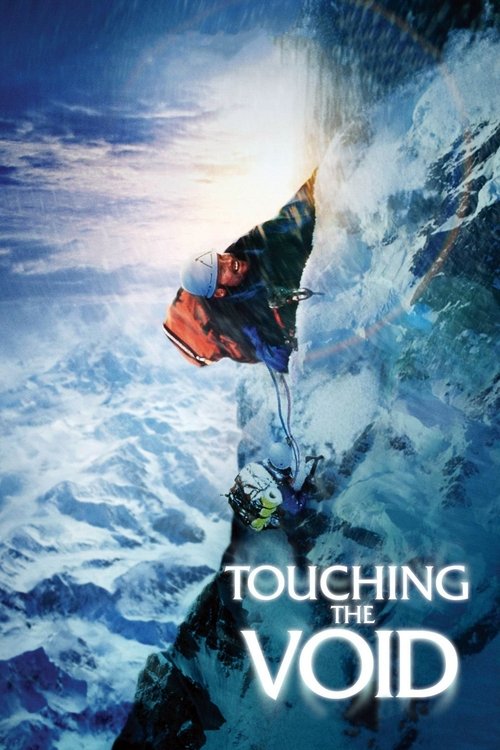
During the ascent of Siula Grande in the Peruvian Andes, Joe Simpson and his climbing partner Simon Yates faced treacherous conditions. After successfully reaching the summit, they began their descent when Joe fell and broke his leg after a slip on the icy terrain. This injury left him unable to walk, drastically altering their climbing plans and putting both men in a life-threatening situation.
How did Simon Yates make the decision to cut the rope?
As Joe's condition worsened and the weather deteriorated, Simon Yates faced a harrowing decision. After several days of trying to lower Joe down the mountain while he was suspended in a crevasse, Simon realized that they were both in imminent danger of dying if they stayed together. In a moment of desperation, he made the agonizing choice to cut the rope connecting them, believing it was the only way to save himself and give Joe a chance to survive.
What were Joe Simpson's thoughts and feelings after falling into the crevasse?
After falling into the crevasse, Joe Simpson experienced a mix of despair and determination. Initially, he felt a profound sense of isolation and fear, grappling with the reality of his injury and the possibility of death. However, as he lay trapped, he also felt a surge of will to survive. He began to mentally strategize his escape, focusing on the small steps he could take to crawl out of the crevasse and make his way back to safety.
How did Joe manage to survive after being left behind by Simon?
After being left behind by Simon, Joe Simpson's survival instincts kicked in. Despite his severe injuries, he crawled and dragged himself through the harsh, icy landscape. He faced extreme physical pain and exhaustion but was driven by the thought of reuniting with Simon and the will to live. He used his knowledge of climbing and survival skills to navigate the treacherous terrain, rationing his energy and finding ways to keep moving, even when hope seemed lost.
What was the significance of the relationship between Joe Simpson and Simon Yates throughout the climb?
The relationship between Joe Simpson and Simon Yates was central to the narrative of 'Touching the Void.' Initially, they shared a strong bond built on trust and camaraderie, which was tested by the extreme conditions they faced. As the climb progressed and Joe's injury complicated their situation, their relationship evolved into one of survival and sacrifice. Simon's decision to cut the rope was a pivotal moment that highlighted the tension between friendship and the instinct to survive, ultimately shaping both their lives forever.
Is this family friendly?
"Touching the Void" is a documentary-drama that recounts the harrowing true story of climbers Joe Simpson and Simon Yates as they attempt to summit the treacherous Siula Grande in the Peruvian Andes. While the film is a powerful testament to human endurance and survival, it does contain several elements that may be objectionable or upsetting for children or sensitive viewers.
-
Injury and Suffering: The film depicts serious injuries, including a broken leg, which Joe sustains during the descent. The portrayal of his pain and struggle can be intense and graphic.
-
Isolation and Desperation: The emotional weight of isolation and the fear of death are central themes. Joe's feelings of despair and hopelessness may be distressing for younger viewers.
-
Survival Situations: The film explores extreme survival scenarios, including the lengths to which Joe goes to survive, which may be unsettling for some.
-
Death and Mortality: The film touches on themes of mortality and the possibility of death in extreme conditions, which could be frightening for children.
-
Emotional Turmoil: The psychological strain on both climbers, particularly Joe, is depicted in a raw and honest manner, showcasing fear, anxiety, and the struggle to maintain hope.
Overall, while "Touching the Void" is a compelling story of resilience, its intense themes and graphic depictions of injury and emotional distress may not be suitable for all audiences, particularly younger children or those sensitive to such content.







