






































Popular
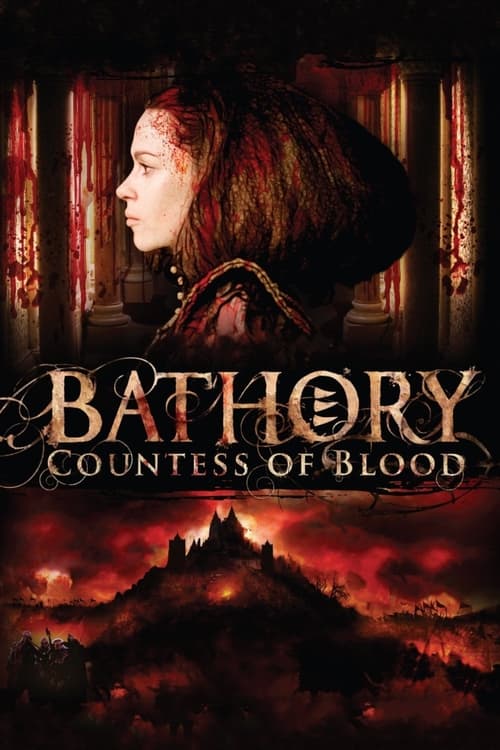
What motivates Elizabeth Bathory to commit her gruesome acts?
How does the relationship between Elizabeth Bathory and her husband, Ferenc Nadasdy, evolve throughout the film?
What role do the young maidens play in Elizabeth Bathory's life and her descent into madness?
How does the film portray the historical context of Elizabeth Bathory's actions?
What is the significance of the supernatural elements in Elizabeth Bathory's story?
Should I watch it?
Ask Your Own Question

What is the plot?
Sorry, we aren't able to watch and write up a full detailed plot yet. Check back in a few days.
More Movies Like This
Browse All Movies →






What is the ending?
In the ending of "Bathory: Countess of Blood," Elizabeth Bathory is captured and put on trial for her alleged crimes. Despite her attempts to defend herself and her noble status, she is ultimately found guilty. The film concludes with her being imprisoned in a small room, where she reflects on her life and the choices that led her to this fate. The final scenes depict her isolation and despair, emphasizing the tragic consequences of her actions.
As the film approaches its climax, the tension escalates. Elizabeth Bathory, portrayed as a once-powerful noblewoman, finds herself increasingly isolated from her family and allies. The scene shifts to her castle, where she is confronted by the authorities. The atmosphere is thick with dread as the guards, led by the determined and morally conflicted Captain, storm the castle. Elizabeth, dressed in her regal attire, stands defiantly, her eyes betraying a mix of fear and defiance. She believes she is above the law, a sentiment that is quickly challenged by the reality of her situation.
The trial scene unfolds in a grand hall, filled with nobles and townsfolk eager to witness the proceedings. Elizabeth, seated at the center, maintains an air of arrogance, her voice steady as she recounts her noble lineage and the injustices she has faced. However, the evidence against her is overwhelming. Witnesses recount horrific tales of her alleged crimes, painting her as a monster who bathed in the blood of young maidens to preserve her youth. The camera captures her expressions--initial confidence giving way to disbelief and anger as the tide turns against her.
As the trial progresses, Elizabeth's internal struggle becomes evident. She grapples with the realization that her power is slipping away. The once-vibrant woman, who commanded fear and respect, now appears vulnerable. The audience witnesses her desperation as she pleads for understanding, her voice cracking with emotion. Yet, the more she defends herself, the more the crowd turns against her, fueled by fear and superstition.
In a pivotal moment, the Captain, who has been torn between duty and sympathy for Elizabeth, steps forward. He confronts her, revealing his own disillusionment with the nobility and the corruption that has led to her downfall. Their exchange is charged with tension, as Elizabeth's facade begins to crumble. She realizes that her past actions have consequences, and the weight of her choices bears down on her.
The verdict is delivered: guilty. The crowd erupts in a mix of cheers and jeers, a cacophony of emotions that reflects the chaos of the moment. Elizabeth is sentenced to imprisonment, her fate sealed. The camera lingers on her face, capturing the moment of despair as she is led away, her regal demeanor shattered.
The final scenes depict Elizabeth in her prison cell, a stark contrast to the opulence of her former life. The walls are cold and bare, and the light is dim, symbolizing her isolation. She sits on the floor, her once-proud posture slumped, as she reflects on her life. Flashbacks of her past--moments of power, love, and betrayal--flood her mind, each memory tinged with regret. The audience sees her transformation from a powerful countess to a broken woman, trapped by her own choices.
As the film closes, the camera pulls back, leaving Elizabeth alone in her cell, a haunting reminder of the consequences of unchecked ambition and the darkness that can consume even the most powerful. The fate of the other characters is also revealed: the Captain, having witnessed the downfall of a once-great noble, is left to grapple with his own moral compass, while the townsfolk celebrate the end of a reign of terror, oblivious to the complexities of the woman they have condemned. The film ends on a somber note, emphasizing the tragic nature of Elizabeth Bathory's story and the haunting legacy she leaves behind.
Is there a post-credit scene?
The movie "Bathory: Countess of Blood" does not contain a post-credit scene. The film concludes its narrative without any additional scenes or content after the credits roll. The story wraps up with the fate of Elizabeth Bathory and the implications of her actions, leaving the audience to reflect on the themes of power, obsession, and the consequences of unchecked ambition.
What motivates Elizabeth Bathory to commit her gruesome acts?
Elizabeth Bathory, portrayed as a complex character, is driven by a deep-seated fear of aging and a desperate desire to maintain her beauty and youth. This obsession leads her to believe that the blood of young maidens can restore her vitality. Her motivations are further complicated by her traumatic past, including the loss of loved ones and the oppressive societal expectations placed upon her as a woman of power.
How does the relationship between Elizabeth Bathory and her husband, Ferenc Nadasdy, evolve throughout the film?
Initially, Elizabeth and Ferenc share a passionate and loving relationship, with Ferenc supporting Elizabeth's ambitions. However, as Elizabeth's obsession with beauty and immortality grows, their relationship becomes strained. Ferenc's increasing concern for her mental state and the consequences of her actions leads to tension, ultimately resulting in a rift that highlights the tragic downfall of their once-strong bond.
What role do the young maidens play in Elizabeth Bathory's life and her descent into madness?
The young maidens serve as both victims and symbols of Elizabeth's deteriorating mental state. Initially, they are seen as a means to fulfill her desire for beauty, but as the film progresses, they become a haunting reminder of her moral decay. Elizabeth's interactions with them reveal her internal conflict; she oscillates between moments of tenderness and brutal violence, showcasing her descent into madness fueled by her obsession.
How does the film portray the historical context of Elizabeth Bathory's actions?
The film situates Elizabeth Bathory within a tumultuous historical backdrop, marked by political intrigue and societal upheaval in 16th-century Hungary. The power struggles, the role of women in society, and the influence of the church are intricately woven into the narrative, providing a rich context for her actions. This historical lens adds depth to her character, illustrating how external pressures exacerbate her internal demons.
What is the significance of the supernatural elements in Elizabeth Bathory's story?
Supernatural elements in the film, such as visions and omens, serve to amplify Elizabeth's psychological turmoil. These manifestations reflect her inner fears and desires, blurring the line between reality and madness. The film uses these elements to suggest that her actions may be influenced by dark forces, enhancing the gothic atmosphere and underscoring the tragic nature of her character's descent into evil.
Is this family friendly?
The movie "Bathory: Countess of Blood" is not family-friendly and contains several potentially objectionable or upsetting scenes and aspects that may be distressing for children or sensitive viewers.
-
Graphic Violence: The film includes scenes of torture and execution, depicting the brutal treatment of prisoners and enemies, which can be quite graphic and unsettling.
-
Blood and Gore: There are numerous instances of bloodshed, including depictions of the Countess's alleged rituals involving blood, which are central to the legend surrounding her character.
-
Sexual Content: The film features sexual themes and nudity, including scenes that explore the Countess's relationships and sexual exploits, which may be inappropriate for younger audiences.
-
Dark Themes: The narrative delves into themes of betrayal, madness, and the consequences of power, which may be too intense or complex for children to understand.
-
Supernatural Elements: The portrayal of witchcraft and the supernatural may be disturbing for some viewers, particularly in the context of the Countess's alleged immortality and her obsession with youth.
These elements contribute to a dark and mature atmosphere throughout the film, making it unsuitable for a younger audience.








