





Popular
What motivates the main character to start cooking curry rice?
How does Kayo's relationship with her friends evolve throughout the film?
What role does the setting play in Kayo's journey to make the curry rice?
What challenges does Kayo face while trying to perfect the curry rice recipe?
How do the supporting characters influence Kayo's cooking journey?
Should I watch it?
Ask Your Own Question

What is the plot?
Sorry, we aren't able to watch and write up a full detailed plot yet. Check back in a few days.
More Movies Like This
Browse All Movies →







What is the ending?
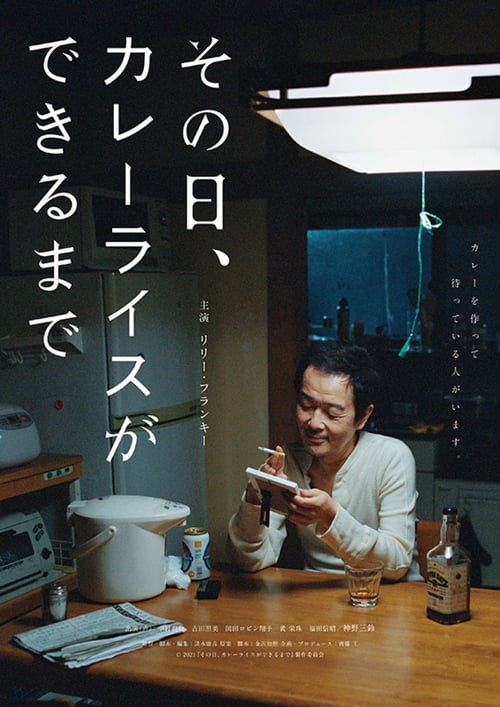
In the ending of "That Day, Until the Curry Rice Is Made," the main character, a young woman named Kayo, finally confronts her feelings and the reality of her relationships. After a series of emotional struggles and misunderstandings, she prepares a meal of curry rice, symbolizing her growth and acceptance. The film concludes with a sense of resolution as Kayo embraces her future, surrounded by her friends and family, who support her in her journey.
As the final scenes unfold, Kayo stands in her modest kitchen, the aroma of curry wafting through the air. She stirs the pot, her hands moving rhythmically, a stark contrast to the turmoil she has faced throughout the film. The camera captures her focused expression, revealing a mix of determination and vulnerability. This moment signifies her transition from confusion to clarity, as she reflects on her past decisions and the relationships that have shaped her.
Scene by scene, the narrative progresses. Kayo's friends gather in her home, their laughter and chatter filling the space. Each character brings their own baggage, but they are united in their support for Kayo. The atmosphere is warm and inviting, a stark contrast to the isolation Kayo felt earlier in the film. As they sit around the table, the curry rice becomes a centerpiece, symbolizing not just nourishment but also the bonds of friendship and community.
Kayo's internal conflict comes to a head as she shares her thoughts with her friends. She expresses her fears about the future and her uncertainty regarding her relationships, particularly with a close friend who has been a source of both comfort and confusion. The dialogue is heartfelt, revealing the depth of Kayo's emotions and her desire for connection. Her friends listen intently, offering encouragement and understanding, which helps Kayo to articulate her feelings more clearly.
As the meal progresses, the camera captures moments of laughter and shared stories, highlighting the importance of these connections in Kayo's life. The curry rice, once a simple dish, transforms into a symbol of healing and reconciliation. Kayo's friends share their own struggles, creating a sense of solidarity that reinforces the film's themes of friendship and support.
In the final moments, Kayo stands at the threshold of her kitchen, looking out at her friends. There is a sense of peace in her expression, a realization that she is not alone in her journey. The film closes with a lingering shot of the group enjoying the meal together, laughter echoing in the background. Kayo's fate is one of hope and renewal, as she embraces the future with a newfound sense of purpose and belonging.
The ending encapsulates the film's exploration of personal growth, the significance of community, and the power of shared experiences. Each character, through their interactions with Kayo, finds their own path toward understanding and acceptance, culminating in a poignant reminder of the strength found in togetherness.
Is there a post-credit scene?
In the movie "That Day, Until the Curry Rice Is Made," there is indeed a post-credit scene that adds a poignant touch to the film's themes of connection and nostalgia.
As the credits roll, the screen fades back in to a quiet kitchen, where the aroma of curry rice fills the air. The camera pans slowly across the countertop, revealing a pot simmering gently on the stove. The scene is warm and inviting, evoking a sense of comfort and home.
Suddenly, the door opens, and a young girl enters, her face lighting up with excitement as she rushes to the kitchen. She is the daughter of the main character, who has been on a journey of self-discovery throughout the film. The girl asks her mother if they can make curry rice together, just like the protagonist did with her own mother in the past.
The mother, initially lost in thought, smiles softly, her eyes reflecting a mix of nostalgia and love. She kneels down to her daughter's level, and they share a moment of connection, both physically and emotionally. The mother's expression reveals her realization of the importance of passing down traditions and memories, and she agrees enthusiastically.
As they begin to gather the ingredients, the camera captures their laughter and playful interactions, highlighting the bond between them. The scene closes with the two of them stirring the pot together, the steam rising and enveloping them in warmth, symbolizing the continuity of love and family through shared experiences.
This post-credit scene encapsulates the film's central message about the significance of family, tradition, and the simple joys of cooking together, leaving the audience with a sense of hope and fulfillment.
What motivates the main character to start cooking curry rice?
The main character, a young woman named Kayo, is motivated to cook curry rice as a way to connect with her late mother, who used to make it for her. This dish symbolizes comfort and nostalgia, driving Kayo to recreate the recipe as a means of coping with her grief and honoring her mother's memory.
How does Kayo's relationship with her friends evolve throughout the film?
Kayo's relationship with her friends evolves as they initially support her in her cooking endeavors, but as the story progresses, they confront their own insecurities and challenges. Their interactions become deeper as they share personal stories and struggles, ultimately strengthening their bond through shared experiences and the act of cooking together.
What role does the setting play in Kayo's journey to make the curry rice?
The setting plays a crucial role in Kayo's journey, as it shifts from her childhood home, filled with memories of her mother, to her current apartment, which feels empty and lonely. The contrasting environments highlight her emotional state and the significance of the curry rice, as she transforms her space into a warm, inviting kitchen that reflects her growth and healing.
What challenges does Kayo face while trying to perfect the curry rice recipe?
Kayo faces several challenges while trying to perfect the curry rice recipe, including her initial lack of confidence in cooking, the pressure of recreating her mother's dish, and the emotional turmoil of dealing with her grief. Each attempt brings its own setbacks, such as burnt ingredients or failed flavors, which test her resolve and force her to confront her feelings.
How do the supporting characters influence Kayo's cooking journey?
The supporting characters, including her friends and a neighbor who is an experienced cook, influence Kayo's cooking journey by providing encouragement, sharing their own culinary tips, and offering emotional support. Their diverse perspectives and experiences help Kayo to not only improve her cooking skills but also to understand the importance of community and friendship in the healing process.
Is this family friendly?
The movie "That Day, Until the Curry Rice Is Made" is generally considered family-friendly, but it does contain some themes and scenes that may be sensitive for children or those who are easily upset.
-
Emotional Struggles: The film delves into themes of loss and grief, showcasing characters dealing with their emotions in ways that may be heavy for younger viewers.
-
Family Conflict: There are moments of tension and conflict within the family, which may be distressing for children who are sensitive to arguments or emotional distress.
-
Depictions of Loneliness: Some scenes portray characters feeling isolated or lonely, which could resonate deeply with sensitive viewers.
-
Cultural Context: The film includes cultural references and situations that may require some understanding of familial and societal expectations, which might be confusing for younger audiences.
Overall, while the film is suitable for a family audience, parents may want to consider these elements when deciding if it is appropriate for their children.







