











Popular
How does the episode explore the theme of isolation through its characters?
What is the significance of the purple dawn in the episode?
How does the character of Moe relate to the central mystery of the episode?
What role does Sōta's relationship with his father play in the plot?
What clues lead to the resolution of the mystery in this episode?
Should I watch it?
Ask Your Own Question

What is the plot?
The episode "Purple Dawn" begins with a tense atmosphere as the main characters, Souhei Saikawa and Moe Nishinosono, arrive at a secluded island where a mysterious murder has taken place. They are drawn to the case due to the involvement of a brilliant but reclusive scientist, Dr. Shiki Magata, who is suspected of being the murderer. The island is isolated, and the only way to reach it is by a small boat, which adds to the sense of confinement and urgency.
As they explore the island, Souhei and Moe meet the other characters who are also present: the island's caretaker, a few researchers, and Dr. Magata herself, who is confined to a room due to her past. The group discusses the circumstances surrounding the murder, which involves a complex web of relationships and motives. Tension builds as they realize that they are cut off from the outside world due to a storm, making it impossible to leave the island.
The narrative shifts to Dr. Magata, who is portrayed as enigmatic and detached. She reveals her perspective on the events leading up to the murder, providing insight into her character and motivations. Her interactions with Souhei and Moe are charged with a mix of curiosity and suspicion, as they try to piece together the truth behind the murder.
As the investigation progresses, Souhei and Moe uncover clues that suggest a deeper conspiracy at play. They find evidence that points to the possibility of a second murder, which complicates the case further. The atmosphere becomes increasingly claustrophobic as the characters begin to turn on each other, fueled by paranoia and fear.
In a pivotal scene, Souhei confronts Dr. Magata about her past and the events that led to the current situation. This confrontation reveals her emotional state and the trauma she has experienced, adding layers to her character. Dr. Magata's responses are cryptic, leaving Souhei and Moe questioning her innocence.
The storm intensifies, and the power goes out, plunging the island into darkness. This moment heightens the tension as the characters are forced to confront their fears and suspicions in close quarters. A series of confrontations ensue, with accusations flying and alliances shifting. The isolation of the island amplifies the characters' emotional states, leading to explosive interactions.
As the night progresses, Souhei and Moe discover a hidden room that contains crucial evidence related to the murder. They piece together the timeline of events, revealing the intricate connections between the characters. This discovery leads them to a shocking realization about the true nature of the murder and the identity of the killer.
In the climax of the episode, the characters gather to confront the murderer. The tension reaches a boiling point as they piece together the final details of the crime. The confrontation is fraught with emotion, as the characters grapple with betrayal and the consequences of their actions. The murderer's motivations are revealed, providing a chilling insight into their psyche.
The episode concludes with the storm subsiding, and the characters left to deal with the aftermath of the revelations. Souhei and Moe reflect on the events that transpired, their bond strengthened by the shared experience. The final moments leave the audience with lingering questions about morality, justice, and the complexities of human nature, setting the stage for future developments in the series.





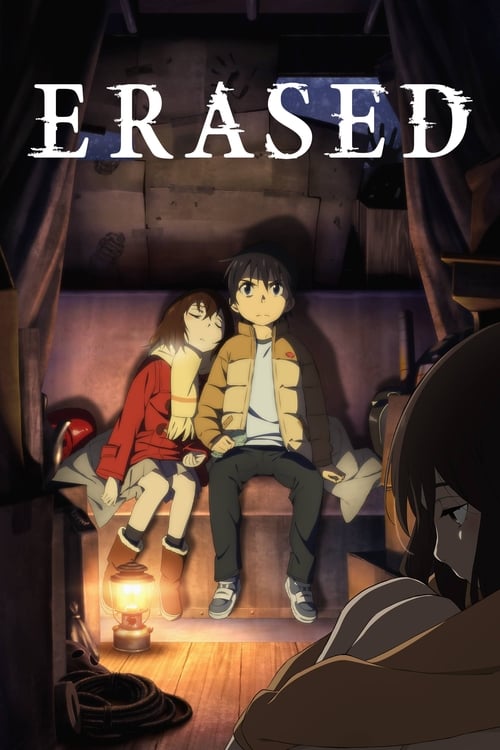
What is the ending?
In the ending of "Purple Dawn," the mystery surrounding the murder of the brilliant scientist, Dr. Shiki Kōsaka, is resolved. The true culprit is revealed to be her assistant, who had been driven by jealousy and ambition. The episode concludes with the characters reflecting on the events that transpired, leading to a sense of closure for some and lingering questions for others.
As the episode unfolds towards its conclusion, we find ourselves in a dimly lit room where the tension is palpable. The investigation has reached a critical point, and the main characters, including the brilliant but socially awkward genius, Souhei Saikawa, and the insightful and observant Moe Nishinosono, are piecing together the final clues.
Scene 1: The Revelation The atmosphere is thick with anticipation as Saikawa and Nishinosono confront the assistant, who has been a key figure throughout the investigation. The assistant, initially appearing calm, begins to unravel under the pressure of their questioning. The camera captures the subtle shifts in her expression, from confidence to fear, as the truth begins to surface. Saikawa, with his analytical mind, lays out the evidence, connecting the dots that lead to her involvement in Dr. Kōsaka's death. The assistant's motivations are revealed--her jealousy of Kōsaka's brilliance and her desire to surpass her mentor drove her to commit the unthinkable act.
Scene 2: The Confession In a moment of emotional turmoil, the assistant breaks down and confesses to the murder. The weight of her actions crashes down on her, and the audience can feel the mix of regret and desperation in her voice. This scene is pivotal, showcasing the internal conflict that has plagued her throughout the episode. The camera zooms in on her face, capturing the tears that stream down as she realizes the gravity of her choices.
Scene 3: The Aftermath As the police arrive to take the assistant into custody, Saikawa and Nishinosono stand together, reflecting on the case. The mood shifts from tension to a somber realization of the consequences of ambition and jealousy. Saikawa, usually detached, shows a flicker of empathy for the assistant, understanding the tragic nature of her downfall. Nishinosono, ever perceptive, contemplates the complexities of human emotions and the darkness that can reside within even the most brilliant minds.
Scene 4: Closure and Reflection The episode closes with Saikawa and Nishinosono walking away from the scene, their silhouettes framed against the backdrop of the dawn breaking. The purple hues of the sky symbolize a new beginning, yet the weight of the events lingers in the air. Saikawa, while satisfied with solving the case, grapples with the moral implications of the assistant's actions. Nishinosono, on the other hand, expresses a desire to understand more about the human psyche, hinting at her ongoing quest for knowledge.
In the end, the fates of the main characters are intertwined with the resolution of the case. The assistant faces the consequences of her actions, while Saikawa and Nishinosono are left to ponder the complexities of ambition, jealousy, and the human condition. The episode concludes with a sense of closure, yet it leaves the audience with lingering questions about the nature of genius and the darkness that can accompany it.
Is there a post-credit scene?
In "Purple Dawn," the eighth episode of The Perfect Insider, there is no post-credit scene. The episode concludes without any additional content after the credits roll, focusing instead on the resolution of the main plot and character arcs within the episode itself. The narrative wraps up the mystery surrounding the events that transpired, leaving viewers with a sense of closure regarding the characters' journeys and the overarching themes of the series.
How does the episode explore the theme of isolation through its characters?
Isolation is explored through the characters' interactions and their personal struggles. Each character grapples with their own sense of loneliness, which is visually represented through the setting and their physical distance from one another, enhancing the emotional stakes of the plot.
What is the significance of the purple dawn in the episode?
The purple dawn symbolizes a turning point in the narrative, reflecting the emotional turmoil and the complex relationships between the characters. It serves as a backdrop for key revelations and decisions that the characters must face.
How does the character of Moe relate to the central mystery of the episode?
Moe plays a crucial role in unraveling the mystery, as his analytical skills and emotional insights help to connect the dots between the various clues. His internal struggle with his feelings for Sōta adds depth to his character and influences his actions throughout the episode.
What role does Sōta's relationship with his father play in the plot?
Sōta's relationship with his father is pivotal, as it reveals his motivations and insecurities. The tension between them adds layers to Sōta's character, driving him to seek validation and understanding, which ultimately impacts his decisions in the investigation.
What clues lead to the resolution of the mystery in this episode?
Key clues include the discovery of a hidden message and the analysis of the crime scene, which Moe and Sōta piece together. These elements not only advance the plot but also highlight the characters' deductive reasoning and emotional connections to the case.
Is this family friendly?
In "Purple Dawn," the eighth episode of The Perfect Insider, there are several elements that may be considered objectionable or upsetting for children or sensitive viewers.
-
Mature Themes: The episode delves into complex themes such as existentialism, death, and the nature of human relationships, which may be difficult for younger audiences to fully grasp or process.
-
Violence: There are scenes that depict violence or the aftermath of violent acts, which could be distressing for some viewers.
-
Psychological Tension: The narrative includes intense psychological elements, with characters experiencing significant emotional turmoil, which may be unsettling.
-
Mature Language: There are instances of strong language that may not be suitable for younger viewers.
-
Dark Atmosphere: The overall tone of the episode is quite dark and somber, which might be unsettling for children or those sensitive to such themes.
These aspects contribute to a viewing experience that may not be appropriate for all audiences, particularly younger children.







