








Popular
What are some notable films highlighted in Women Make Film that showcase female directors?
How does the documentary structure its exploration of female filmmakers?
What role do interviews with contemporary female filmmakers play in the documentary?
Which specific female directors are featured prominently in the documentary, and what are their contributions?
How does the documentary address the historical context of women in film?
Should I watch it?
Ask Your Own Question

What is the plot?
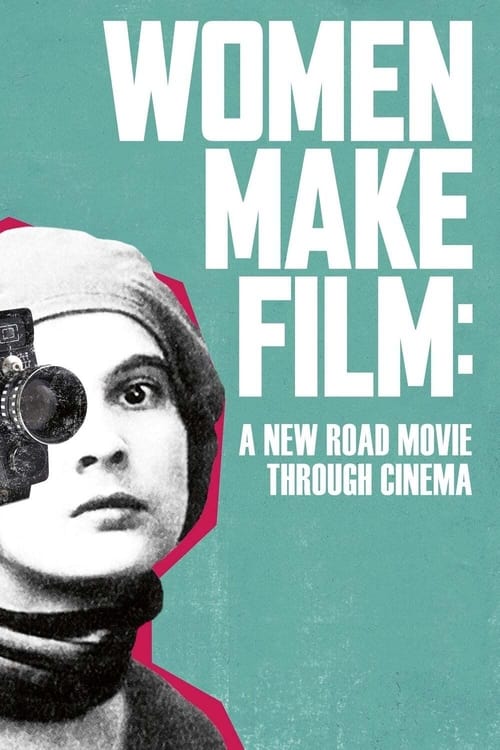
"Woman Make Film: A New Road Movie Through Cinema" is a documentary that does not follow a traditional narrative structure with a plot, characters, and events. Instead, it is an exploration of the contributions of women filmmakers throughout the history of cinema, presented through a series of clips, commentary, and thematic discussions.
The film is structured as a road movie, with the narrator guiding the audience through various segments that highlight the work of female directors from different eras and regions. The documentary is divided into chapters, each focusing on specific themes such as "The Road," "The Body," "The Family," and "The World," among others.
In the opening sequence, the narrator introduces the concept of the film, emphasizing the importance of women's perspectives in storytelling. The film then transitions into a montage of clips from various films directed by women, showcasing their unique styles and storytelling techniques. This sets the tone for the exploration of how women have shaped cinema.
As the documentary progresses, it delves into the historical context of women's roles in the film industry, highlighting the challenges they faced, including sexism and lack of representation. The film features interviews and insights from contemporary female filmmakers who discuss their influences and the significance of their predecessors.
Each chapter presents a curated selection of film clips that illustrate the themes being discussed. For example, in the chapter on "The Body," the film showcases works that explore female identity, sexuality, and the physicality of women in cinema. The clips are accompanied by analysis that emphasizes the emotional depth and complexity of the characters portrayed by women filmmakers.
Throughout the documentary, there are moments of reflection on the progress made in the industry, as well as the ongoing struggles for equality and recognition. The film emphasizes the importance of storytelling from diverse perspectives and the need for continued advocacy for women in film.
The documentary concludes with a powerful message about the future of cinema and the role of women in shaping it. It leaves the audience with a sense of hope and inspiration, encouraging viewers to seek out and support films made by women.
Overall, "Women Make Film: A New Road Movie Through Cinema" is a rich tapestry of visual storytelling that celebrates the contributions of women in film, rather than a linear plot-driven narrative.









What is the ending?
"Woman Make Film: A New Road Movie Through Cinema" is a documentary that does not have a traditional narrative structure with characters and a plot that culminates in a definitive ending. Instead, it is an exploration of the contributions of women filmmakers throughout cinema history, showcasing a wide array of clips from various films directed by women. The film is divided into chapters that focus on different aspects of filmmaking, such as storytelling, character development, and visual style, rather than following a linear storyline with characters facing conflicts and resolutions.
In the final segments of the documentary, the film emphasizes the importance of women's voices in cinema and the need for greater representation in the film industry. It concludes with a powerful montage of scenes from films made by women, celebrating their creativity and impact on the medium. The ending serves as a call to action, encouraging audiences to recognize and support the work of women filmmakers.
As the documentary progresses towards its conclusion, it revisits key themes and moments from earlier chapters, reinforcing the significance of the contributions made by women in film. The final scenes are a collage of powerful images and poignant moments from various films, illustrating the diverse stories told by women and the emotional depth they bring to their work. The film closes with a sense of hope and determination, urging viewers to continue advocating for equality and representation in the film industry.
In summary, "Women Make Film: A New Road Movie Through Cinema" does not have a conventional ending with character fates but instead culminates in a celebration of women's contributions to cinema, leaving the audience with a sense of empowerment and a call for continued progress in the industry.
Is there a post-credit scene?
"Woman Make Film: A New Road Movie Through Cinema" does not have a post-credit scene. The documentary is structured as a comprehensive exploration of women's contributions to cinema, featuring a series of essays and analyses rather than a traditional narrative format that would typically include post-credit scenes. The film is divided into chapters, each focusing on different aspects of filmmaking and the work of various female directors throughout film history. It concludes with a powerful reflection on the impact of women in the industry, leaving viewers with a sense of inspiration and a call to recognize and celebrate these filmmakers' contributions.
What are some notable films highlighted in Women Make Film that showcase female directors?
Women Make Film features a diverse array of films directed by women, including classics and contemporary works. Notable films highlighted include 'The Piano' by Jane Campion, 'The Hurt Locker' by Kathryn Bigelow, and 'Cléo from 5 to 7' by Agnès Varda. Each film is used to illustrate specific techniques and storytelling methods employed by female filmmakers.
How does the documentary structure its exploration of female filmmakers?
The documentary is structured as a road movie, taking viewers on a journey through various cinematic techniques and styles. It is divided into chapters that focus on different aspects of filmmaking, such as character development, narrative structure, and visual storytelling, with each chapter featuring clips from films directed by women.
What role do interviews with contemporary female filmmakers play in the documentary?
Interviews with contemporary female filmmakers are interspersed throughout the documentary, providing personal insights and reflections on their experiences in the industry. These interviews serve to contextualize the clips shown and highlight the ongoing challenges and triumphs faced by women in film.
Which specific female directors are featured prominently in the documentary, and what are their contributions?
Prominent female directors featured in the documentary include Sofia Coppola, whose work often explores themes of isolation and femininity, and Mira Nair, known for her ability to blend cultural narratives. Their contributions are discussed in relation to the evolution of female representation in cinema.
How does the documentary address the historical context of women in film?
The documentary addresses the historical context of women in film by tracing the evolution of female filmmakers from the early days of cinema to the present. It highlights the barriers they faced, such as societal expectations and industry biases, while celebrating their resilience and creativity in shaping the film landscape.
Is this family friendly?
"Woman Make Film: A New Road Movie Through Cinema" is a documentary series that explores the contributions of women filmmakers throughout the history of cinema. While the series is educational and celebrates female creativity, it does contain some potentially objectionable or upsetting aspects that may not be suitable for all children or sensitive viewers.
-
Discussion of Gender Inequality: The series addresses the historical and ongoing challenges women face in the film industry, including sexism and discrimination. This may be difficult for younger viewers to understand fully.
-
Depictions of Violence: Some clips from films discussed in the series may include scenes of violence or trauma, which could be distressing for sensitive viewers.
-
Themes of Abuse and Exploitation: The series touches on themes of abuse, exploitation, and the struggles of women in various contexts, which may be upsetting for some audiences.
-
Mature Language: There may be instances of strong language or adult themes in the film clips and discussions presented.
-
Emotional Weight: The emotional narratives surrounding the struggles and triumphs of women filmmakers can be intense and may evoke strong feelings.
Overall, while the series is a valuable exploration of women's contributions to cinema, it is advisable for parents to preview the content to determine its appropriateness for their children or sensitive viewers.









