




Popular
What are some notable films discussed in Season 1 of Women Make Film?
How does the series explore the character development in films directed by women?
What specific techniques do women directors use to convey emotion in their films?
Are there any recurring themes in the films featured in Season 1?
How does the series address the historical context of women in film?
Should I watch it?
Ask Your Own Question

What is the plot?
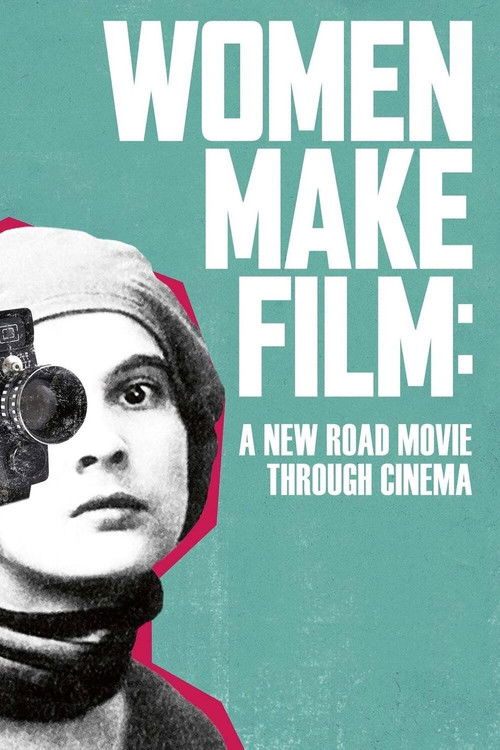
"Woman Make Film: A New Road Movie Through Cinema" is not a traditional narrative with a linear plot, characters, and a storyline. Instead, it is a documentary film that explores the contributions of women filmmakers throughout cinema history. The film is structured as a series of essays, using clips from various films directed by women, interspersed with commentary and analysis.
The documentary begins with an introduction to the concept of women in film, highlighting the historical underrepresentation of female directors. It sets the stage for a journey through different genres and styles, showcasing the diverse voices and perspectives that women bring to cinema.
As the film progresses, it delves into various themes such as love, loss, and identity, using specific film clips to illustrate these points. Each segment is dedicated to a different aspect of filmmaking, such as the use of color, sound, and narrative structure, all through the lens of female directors.
The documentary features a wide array of filmmakers, from early pioneers like Alice Guy-Blaché to contemporary directors like Ava DuVernay and Greta Gerwig. Each filmmaker's work is analyzed, with clips shown to highlight their unique storytelling techniques and thematic concerns.
Throughout the film, there are discussions about the challenges women face in the industry, including sexism, lack of funding, and the struggle for recognition. These issues are presented alongside the triumphs and innovations that women have achieved in film.
The documentary also emphasizes the importance of representation and the impact of female narratives on audiences. It showcases how women filmmakers have created space for their stories and the stories of marginalized communities.
As the film nears its conclusion, it reflects on the progress that has been made while acknowledging the work that still needs to be done. It leaves viewers with a sense of hope and inspiration, encouraging them to seek out and support films made by women.
The final moments of the documentary serve as a call to action, urging audiences to recognize the significance of women's contributions to cinema and to advocate for greater equality in the film industry. The film ends on a powerful note, celebrating the resilience and creativity of women filmmakers throughout history.









What is the ending?
"Woman Make Film: A New Road Movie Through Cinema" is a documentary series that explores the contributions of women filmmakers throughout the history of cinema. As such, it does not have a traditional narrative structure with characters and a plot that culminates in a definitive ending. Instead, the series is composed of various segments that highlight the work of different female directors, showcasing their unique styles, themes, and the challenges they faced in the film industry.
In the final segments of Season 1, the series emphasizes the importance of women's voices in cinema and the impact they have had on storytelling. It concludes with a powerful montage of clips from various films directed by women, celebrating their creativity and resilience. The series leaves viewers with a sense of hope and inspiration, encouraging the recognition and appreciation of women's contributions to film.
Expanded Narrative:
As the final scenes of "Women Make Film: A New Road Movie Through Cinema" unfold, the screen is filled with a vibrant montage of clips from films directed by women. The visuals shift rapidly, showcasing a diverse array of genres, styles, and narratives. Each clip serves as a testament to the unique perspectives that women bring to the art of filmmaking.
The montage begins with a powerful scene from a historical drama, where a female protagonist stands defiantly against societal norms, her expression a mix of determination and vulnerability. This is followed by a whimsical moment from a romantic comedy, where laughter and joy fill the screen, highlighting the lighter side of women's storytelling.
As the clips continue, the emotional weight of the narratives becomes palpable. A scene from a poignant drama captures a mother's struggle to protect her children, her face etched with worry and love. The audience can feel her internal conflict, torn between her desires and the harsh realities of her circumstances.
The series intersperses these clips with brief commentary from various filmmakers, who reflect on the significance of women's voices in cinema. Their words resonate with passion and conviction, emphasizing the need for representation and the importance of sharing diverse stories. Each filmmaker's perspective adds depth to the montage, creating a rich tapestry of experiences and insights.
The final moments of the series culminate in a powerful image: a group of women filmmakers standing together, united in their mission to change the landscape of cinema. Their expressions are a mix of hope and determination, embodying the spirit of resilience that has characterized the journey of women in film.
As the screen fades to black, the series leaves viewers with a profound sense of inspiration. It serves as a call to action, urging audiences to seek out and support films made by women, to recognize their contributions, and to continue the conversation about gender equality in the film industry. The fate of the filmmakers is not one of individual endings but rather a collective movement towards a more inclusive future in cinema.
Is there a post-credit scene?
"Woman Make Film: A New Road Movie Through Cinema" does not have a traditional post-credit scene as one might find in narrative films or series. Instead, the documentary series is structured as a comprehensive exploration of women's contributions to cinema, featuring a series of essays and analyses that unfold throughout the episodes. Each segment is rich with clips from various films directed by women, accompanied by commentary that highlights their artistic styles, themes, and the challenges they faced in the industry.
The series concludes with a reflective tone, emphasizing the importance of recognizing and celebrating the work of female filmmakers. It encourages viewers to continue exploring the vast landscape of women's cinema beyond the series itself, leaving them with a sense of inspiration and a call to action to seek out and support films made by women. The final moments serve as a powerful reminder of the ongoing journey toward equality in the film industry, rather than a specific scene or narrative twist.
What are some notable films discussed in Season 1 of Women Make Film?
Season 1 of Women Make Film highlights a variety of films directed by women, showcasing their unique storytelling styles and contributions to cinema. Notable films include 'The Piano' by Jane Campion, 'The Hurt Locker' by Kathryn Bigelow, and 'Cléo from 5 to 7' by Agnès Varda. Each film is analyzed in detail, focusing on the directorial choices and the emotional depth they bring to their narratives.
How does the series explore the character development in films directed by women?
The series delves into character development by examining how female directors portray complex characters, often focusing on their emotional journeys and personal struggles. For instance, in discussing 'The Piano,' the series highlights the protagonist's internal conflict and growth, emphasizing the depth and nuance that female filmmakers bring to character arcs.
What specific techniques do women directors use to convey emotion in their films?
Women Make Film explores various cinematic techniques employed by female directors to evoke emotion, such as the use of close-ups to capture subtle facial expressions, innovative sound design to enhance mood, and unique narrative structures that reflect the characters' inner lives. These techniques are illustrated through specific scenes from films like 'Lady Bird' and 'The Babadook'.
Are there any recurring themes in the films featured in Season 1?
Yes, Season 1 identifies recurring themes such as identity, motherhood, and resilience in the films featured. For example, the series discusses how films like 'Frida' and 'Little Women' explore the complexities of female identity and the societal pressures faced by women, providing a rich context for understanding the characters' motivations.
How does the series address the historical context of women in film?
The series provides a historical context by discussing the challenges and barriers faced by women filmmakers throughout cinema history. It highlights key figures and movements that have shaped the landscape, such as the feminist film movement of the 1970s, and how these historical elements influence the storytelling and character portrayals in the films analyzed.
Is this family friendly?
"Woman Make Film: A New Road Movie Through Cinema" is a documentary series that explores the contributions of female filmmakers throughout cinema history. While the series is educational and celebrates women's roles in film, it does contain some elements that may be sensitive for children or those who are particularly sensitive to certain themes.
-
Discussion of Gender Inequality: The series addresses the historical and ongoing challenges women face in the film industry, which may include discussions of sexism and discrimination.
-
Depictions of Violence: Some clips from films discussed may include scenes of violence or distressing situations, as they are part of the broader context of cinema.
-
Emotional Themes: The series delves into complex emotional themes, including struggles, personal sacrifices, and societal issues that may be heavy for younger viewers.
-
Mature Content: Certain films referenced may contain mature themes, including sexuality, mental health issues, and personal trauma, which are discussed in the context of the filmmakers' works.
-
Candid Interviews: Interviews with filmmakers may include frank discussions about their experiences, which could touch on sensitive topics.
Overall, while the series is informative and empowering, parental discretion is advised for younger audiences due to the mature themes and discussions presented.