










Popular
What is the significance of the Genius Dolls in the story?
How does the character of Kuroha evolve throughout the series?
What role does the character of Kuroha's rival play in her development?
How do the relationships between the characters impact the plot?
What are the consequences of using the Genius Dolls?
Should I watch it?
Ask Your Own Question

What is the plot?
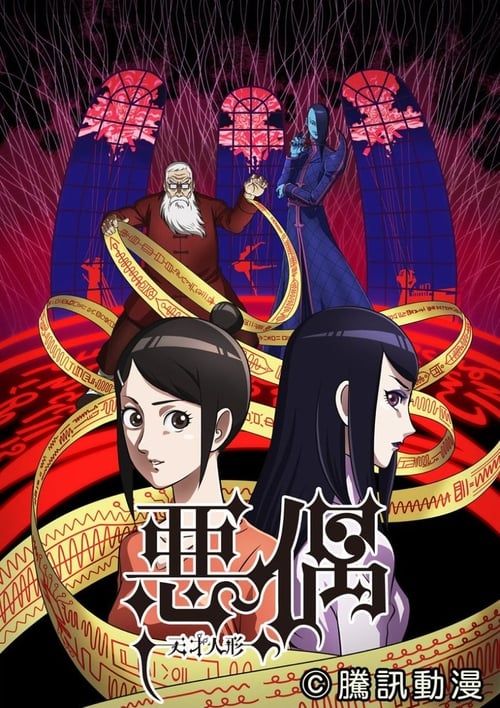
In a world where humans can possess extraordinary abilities through the use of dolls known as "Genius Dolls," the story begins with a young boy named Kuro, who is struggling to survive in a harsh environment. Kuro is introduced as a resourceful and determined character, living in a rundown area where he scavenges for food and supplies. His life takes a turn when he discovers a mysterious doll that seems to possess a unique power. This doll, named Aguu, has the ability to enhance Kuro's physical abilities, making him stronger and faster.
As Kuro begins to bond with Aguu, he learns about the existence of other Genius Dolls and their owners, known as "Masters." Each Master has their own motivations for using their dolls, ranging from personal gain to revenge. Kuro's initial excitement about his newfound powers is tempered by the realization that other Masters are also seeking to control Aguu for their own purposes. This sets the stage for a series of confrontations with other Masters, each showcasing their own dolls' abilities.
The first major confrontation occurs when Kuro encounters a rival Master named Riku, who possesses a powerful doll that can manipulate shadows. Riku challenges Kuro, leading to an intense battle where Kuro must learn to harness Aguu's abilities effectively. The fight is filled with dynamic movements, as Kuro dodges Riku's shadow attacks while trying to land his own blows. Ultimately, Kuro manages to outsmart Riku by using the environment to his advantage, but the victory is bittersweet as he realizes the dangers that come with being a Master.
Following this encounter, Kuro meets a girl named Mei, who is also a Master with her own Genius Doll. Mei is initially wary of Kuro, but they form an alliance when they discover that a powerful organization is hunting down Masters and their dolls. This organization, known as the "Doll Hunters," seeks to eliminate anyone who poses a threat to their control over the Genius Dolls. Kuro and Mei decide to work together to uncover the truth behind the Doll Hunters and protect their dolls.
As Kuro and Mei delve deeper into the mystery, they encounter various other Masters, each with their own unique dolls and backstories. They learn about the origins of the Genius Dolls and the dark history of the Doll Hunters, who were once Masters themselves but became corrupted by their power. This revelation adds layers to Kuro's understanding of his own abilities and the responsibilities that come with them.
The tension escalates when Kuro and Mei are ambushed by the Doll Hunters during a mission to rescue another Master. In this confrontation, Kuro must face multiple enemies at once, showcasing his growth as a fighter. The battle is chaotic, with Kuro using Aguu's powers to fend off the attackers while Mei supports him with her own doll's abilities. They manage to escape, but not without sustaining injuries and losing a valuable ally in the process.
As the story progresses, Kuro grapples with the moral implications of using Aguu's powers. He begins to question whether the strength he gains is worth the potential harm it could cause to others. This internal conflict is highlighted during a pivotal moment when Kuro is faced with the choice to use Aguu's full power to defeat a particularly dangerous Master. He hesitates, reflecting on the consequences of his actions, but ultimately decides to embrace his abilities to protect those he cares about.
The climax of the series occurs when Kuro and Mei confront the leader of the Doll Hunters, a former Master who has become obsessed with controlling all Genius Dolls. This confrontation is intense and filled with high stakes, as Kuro must not only fight for his own survival but also for the future of all Masters and their dolls. The battle is a culmination of everything Kuro has learned, as he combines his skills with Aguu's powers in a breathtaking display of strength and strategy.
In the final moments of the confrontation, Kuro faces a critical decision that will determine the fate of the Genius Dolls. He must choose between destroying the leader and risking the loss of Aguu or finding a way to redeem the fallen Master. Kuro ultimately opts for redemption, believing that there is still hope for those who have lost their way. This choice leads to a dramatic resolution, where the leader is given a chance to change, and Kuro solidifies his role as a protector of the Genius Dolls.
The series concludes with Kuro and Mei reflecting on their journey, having forged strong bonds with each other and their dolls. They understand that the world of Genius Dolls is fraught with danger, but they are determined to continue fighting for a better future, ready to face whatever challenges lie ahead.




What is the ending?
In the ending of "Aguu: Genius Dolls," the main character, Kuro, faces a climactic confrontation with the other Genius Dolls. The battle reveals the true nature of the dolls and their creators, leading to a resolution that sees Kuro making a significant sacrifice. Ultimately, Kuro's actions lead to a new understanding of the relationship between humans and dolls, but at a great personal cost.
As the final episodes unfold, the tension escalates. Kuro, having grown from a mere pawn in the game of the Genius Dolls, stands at the center of a fierce conflict. The scene opens with Kuro surrounded by the remnants of previous battles, the air thick with the scent of smoke and the echoes of past confrontations. The atmosphere is charged with anticipation as Kuro prepares to face the other dolls, each representing a different aspect of human ambition and desire.
In the first scene of the climax, Kuro confronts the leader of the opposing dolls, a figure shrouded in darkness and mystery. The leader taunts Kuro, revealing the manipulations that have led to this moment. Kuro's internal struggle is palpable; anger and determination swirl within as memories of past betrayals flash before his eyes. He recalls the friendships he forged and the sacrifices made along the way, fueling his resolve to fight for a future where dolls can exist without the constraints imposed by their creators.
The battle erupts, a chaotic clash of powers and wills. Kuro's movements are fluid and precise, each strike fueled by the weight of his emotions. The animation captures the intensity of the fight, with vibrant colors contrasting against the dark backdrop of the battlefield. As Kuro gains the upper hand, he realizes that victory alone will not suffice; he must also confront the underlying truth of their existence.
In a pivotal moment, Kuro reaches out to the leader, attempting to bridge the gap between them. He speaks of freedom and the potential for coexistence, his voice steady despite the chaos around him. The leader hesitates, caught off guard by Kuro's unexpected compassion. This moment of vulnerability is fleeting, as the battle resumes with renewed ferocity.
As the fight reaches its zenith, Kuro makes a fateful decision. He channels all his energy into a final attack, one that will not only defeat the leader but also shatter the cycle of manipulation that binds all the dolls. The scene is visually stunning, with a brilliant explosion of light and color as Kuro unleashes his power. The impact reverberates through the battlefield, and for a moment, time seems to stand still.
In the aftermath, the dust settles, revealing the consequences of Kuro's sacrifice. The other dolls, once adversaries, now stand in awe of Kuro's bravery. They begin to understand the depth of their own existence and the possibility of a new path forward. Kuro, however, is left weakened, his form flickering as he begins to fade. His final moments are filled with a sense of peace, knowing that he has paved the way for a future where dolls can choose their own destinies.
As the scene shifts, we see the remaining dolls coming together, united in their newfound purpose. They vow to honor Kuro's sacrifice by forging a world where they can coexist with humans, free from the constraints of their creators. The final shot lingers on Kuro's fading silhouette, a symbol of hope and change.
In the closing moments, the series leaves viewers with a poignant reminder of the power of choice and the importance of understanding one another, regardless of the boundaries that may exist. The fate of each main character is intertwined with Kuro's legacy, as they embark on a journey of self-discovery and unity, forever changed by the events that transpired.
Is there a post-credit scene?
In "Aguu: Genius Dolls," there is indeed a post-credit scene that adds an intriguing layer to the narrative. After the main credits roll, the scene opens in a dimly lit room filled with various dolls, each representing different characters from the series. The camera pans slowly across the room, highlighting the intricate details of the dolls, their expressions frozen in time, evoking a sense of eeriness.
As the camera continues to move, it focuses on a particular doll that resembles the protagonist, a young girl named Kyouka. The doll's eyes seem to glimmer with a life of their own, hinting at the supernatural elements that permeate the series. Suddenly, the doll's mouth opens slightly, and a whisper can be heard, echoing Kyouka's earlier thoughts about her struggles and the burdens of her genius.
The scene shifts to a shadowy figure standing in the corner of the room, partially obscured. The figure is watching the dolls with an intense gaze, suggesting a deeper connection to the events of the series. The atmosphere is thick with tension, and the viewer can sense the figure's desire to manipulate the fate of the dolls, hinting at future conflicts and the ongoing battle for control over the genius dolls.
As the scene fades to black, the final shot is a close-up of Kyouka's doll, its eyes now fully open, staring directly at the audience. This moment leaves viewers with a chilling sense of anticipation, suggesting that the story of the genius dolls is far from over and that new challenges await in the shadows. The post-credit scene effectively encapsulates the themes of manipulation, power, and the struggle for identity that are central to the series, leaving fans eager for more.
What is the significance of the Genius Dolls in the story?
The Genius Dolls are central to the plot of Aguu: Genius Dolls, as they are powerful entities that can grant their owners extraordinary abilities. Each doll is linked to a specific individual, and the relationship between the doll and its owner is crucial for unlocking their potential. The dolls also represent the desires and ambitions of their owners, often leading to conflicts and moral dilemmas.
How does the character of Kuroha evolve throughout the series?
Kuroha starts as a seemingly apathetic and detached individual, primarily motivated by her desire to survive in a harsh world. As the series progresses, her interactions with other characters and her experiences with the Genius Dolls force her to confront her own emotions and the consequences of her actions. This evolution is marked by moments of vulnerability, where she grapples with her past and the weight of her choices.
What role does the character of Kuroha's rival play in her development?
Kuroha's rival serves as a catalyst for her growth, pushing her to confront her own limitations and insecurities. Their confrontations are intense and emotionally charged, revealing Kuroha's deeper motivations and fears. The rivalry also highlights themes of ambition and the cost of power, as both characters strive to prove themselves while navigating the dangerous world of the Genius Dolls.
How do the relationships between the characters impact the plot?
The relationships between characters in Aguu: Genius Dolls are complex and often fraught with tension. Friendships, rivalries, and betrayals shape the narrative, influencing character decisions and the unfolding of events. For instance, alliances formed out of necessity can quickly turn into conflicts, driving the plot forward and leading to unexpected twists that challenge the characters' loyalties and moral compasses.
What are the consequences of using the Genius Dolls?
Using the Genius Dolls comes with significant consequences, both physically and emotionally. Characters who rely on their dolls often face a toll on their mental state, leading to paranoia, obsession, or even madness. The series explores the darker side of ambition, as characters must weigh their desires against the potential loss of their humanity and the relationships they hold dear.
Is this family friendly?
"Aguu: Genius Dolls" is not considered family-friendly due to its mature themes and content. Here are some potentially objectionable or upsetting aspects that may occur:
-
Violence and Gore: The series features intense scenes of violence, including battles and the aftermath of conflicts, which may be graphic and unsettling for younger viewers.
-
Death and Loss: Characters face significant loss, and the emotional weight of death is explored, which can be distressing for sensitive audiences.
-
Psychological Themes: The show delves into complex psychological issues, including manipulation and the darker sides of human nature, which may be difficult for children to understand.
-
Mature Relationships: There are elements of manipulation and betrayal in relationships that may not be suitable for younger viewers.
-
Dark Atmosphere: The overall tone of the series is quite dark and may evoke feelings of anxiety or discomfort.
These elements contribute to a narrative that is more appropriate for older teens and adults rather than children.







