
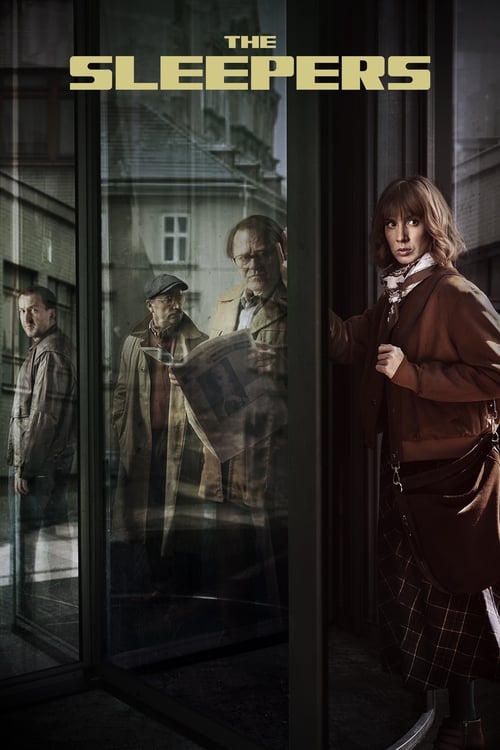








Popular
What role does the mysterious figure known as 'The Watcher' play in the story?
What is the significance of the dream sequences in The Sleepers?
How does the character of Mia evolve throughout Season 1?
How does the relationship between Alex and Mia develop throughout the season?
What is the impact of the group dynamics among the main characters?
Should I watch it?
Ask Your Own Question

What is the plot?
In the opening scene of "The Sleepers," we are introduced to a group of young adults who awaken in a mysterious facility with no memory of how they got there. The sterile, white walls and the sound of humming machinery create an unsettling atmosphere. Among them are the main characters: Alex, a determined and resourceful leader; Mia, a compassionate but anxious girl; and Jake, a skeptical and rebellious young man. They quickly realize they are part of an experiment, but the details are hazy.
As they explore the facility, they find a series of locked doors and surveillance cameras, heightening their sense of paranoia. They stumble upon a control room filled with monitors displaying their sleeping forms, which leads to a heated argument about who is responsible for their predicament. Alex takes charge, insisting they need to work together to find a way out. The group decides to split up to search for clues, with Mia and Jake reluctantly teaming up while Alex goes off on his own.
Mia and Jake discover a hidden passage behind a false wall in one of the rooms. As they navigate the dark, narrow corridor, they hear strange noises that unsettle them. They come across a room filled with medical equipment and files detailing their pasts, revealing that they were all part of a controversial sleep study. The files indicate that they were chosen for their unique psychological profiles, which adds to their confusion and fear. They realize they must escape before the experiment takes a darker turn.
Meanwhile, Alex finds a control panel that allows him to access the facility's security systems. He learns that they are being monitored by a shadowy organization known as "The Collective." As he processes this information, he is caught by a guard and narrowly escapes, using his quick thinking to evade capture. He reunites with Mia and Jake, sharing what he has learned. The trio decides they need to find a way to disable the security systems to increase their chances of escape.
The group devises a plan to create a distraction while Alex attempts to hack into the security system. They set off a fire alarm, causing chaos in the facility. As alarms blare and lights flash, they make their way to the control room. Alex works frantically to override the security protocols, but time is running out as guards begin to close in on their location. Just as he successfully disables the cameras, they hear footsteps approaching.
In a tense confrontation, the guards find them in the control room. A fight breaks out, with Alex using his knowledge of the facility to outmaneuver the guards. Mia and Jake join in, using makeshift weapons they find in the room. The struggle is intense, with punches thrown and bodies colliding against the walls. They manage to subdue the guards, but not without sustaining injuries. The adrenaline rush pushes them to keep moving.
With the guards temporarily incapacitated, the trio makes a break for the exit. They navigate through the facility, dodging security personnel and using their knowledge of the layout to find the main exit. As they reach the final door, they encounter a locked gate that requires a code. In a moment of desperation, they remember a sequence from the files Mia found earlier and input the code just in time, escaping into the night.
Outside, they find themselves in a desolate landscape, surrounded by tall fences and barbed wire. The air is thick with tension as they realize they are still not free. They hear the sound of vehicles approaching, and panic sets in. They decide to split up to increase their chances of evading capture. Alex and Mia head towards the woods, while Jake takes a different route, promising to meet up later.
As they navigate the woods, Alex and Mia bond over their shared trauma, revealing their fears and hopes for the future. They come across a small cabin and decide to take refuge there. Inside, they find supplies and a map that indicates the location of a nearby town. They plan to head there in the morning, but their rest is interrupted by the sound of footsteps outside.
Meanwhile, Jake finds himself cornered by a group of agents from The Collective. He fights back, using his surroundings to his advantage, but is ultimately captured. The scene shifts back to Alex and Mia, who hear the commotion in the distance. They realize they need to go back for Jake, despite the risk.
The next sequence shows Alex and Mia stealthily making their way back to the location where Jake was last seen. They overhear the agents discussing their plans to recapture the escapees and the experiments they intend to continue. Fueled by determination, they devise a plan to create a diversion to rescue Jake.
In a climactic moment, Alex and Mia create a distraction by setting off a series of flares, drawing the agents' attention away from Jake. They manage to infiltrate the area where Jake is being held and engage in a tense rescue operation. The three of them reunite, but not without a close call as they narrowly avoid being caught by the agents.
As they escape the facility, they are pursued by vehicles. A high-stakes chase ensues, with the trio using their wits and the terrain to evade capture. They manage to reach the edge of the woods, where they find an old, abandoned vehicle. They work together to get it running, just as the agents close in on their location.
In the final moments of the episode, they drive away from the facility, but the sense of freedom is short-lived as they realize they are still being hunted. The screen fades to black, leaving viewers with a cliffhanger that sets the stage for the next episode, as the trio grapples with their newfound freedom and the looming threat of The Collective.








What is the ending?
In the ending of "The Sleepers," the main characters confront the truth about their pasts and the consequences of their actions. The series culminates in a tense showdown that forces them to face their fears and the reality of their choices. Each character's fate is revealed, leading to a mix of resolution and lingering questions about their futures.
As the final episode unfolds, the atmosphere is thick with tension. The scene opens in a dimly lit warehouse, where the protagonists--Maya, Jake, and Lila--gather for a final confrontation with the antagonist, Victor. The air is heavy with the weight of their shared history, and each character's internal struggles are palpable. Maya, driven by a desire for closure, clutches a photograph of her younger self, a reminder of the innocence lost to the chaos of their lives.
The camera pans to Jake, who stands at the edge of the room, his fists clenched. He is torn between his loyalty to his friends and the guilt of his past decisions. His eyes dart around, reflecting a mix of determination and fear. Lila, on the other hand, is visibly shaken, her breath quickening as she recalls the traumatic events that brought them to this moment. She feels the burden of their shared secrets weighing heavily on her shoulders.
As the confrontation begins, Victor enters, exuding a menacing confidence. He taunts the trio, revealing secrets that cut deep, exposing their vulnerabilities. The dialogue is sharp, filled with accusations and revelations that force each character to confront their demons. Maya steps forward, her voice steady but laced with emotion, as she challenges Victor, demanding accountability for the pain he has caused.
The tension escalates as the characters engage in a physical struggle, a chaotic dance of desperation and resolve. The warehouse becomes a battleground, symbolizing the internal conflicts each character faces. Jake, in a moment of clarity, realizes that he must protect his friends at all costs. He charges at Victor, leading to a fierce confrontation that leaves both men battered and bruised.
In the aftermath of the struggle, the characters find themselves standing amidst the wreckage of their past. Maya, bruised but unbroken, takes a deep breath, feeling a sense of liberation as she finally lets go of the guilt that has haunted her. Jake, though injured, feels a newfound sense of purpose, ready to embrace the future with his friends by his side. Lila, still shaken, finds solace in their unity, realizing that they can face whatever comes next together.
As the episode draws to a close, the camera lingers on the trio, their expressions a mix of relief and uncertainty. They step out of the warehouse into the light, symbolizing a new beginning. The final scene captures them walking away, side by side, ready to face the world outside, their bond stronger than ever despite the scars they carry.
In the end, Maya chooses to pursue a career in advocacy, using her experiences to help others heal. Jake decides to reconnect with his estranged family, seeking redemption for his past mistakes. Lila, inspired by her friends, begins to write a memoir, documenting their journey and the lessons learned along the way. Each character's fate reflects their growth and the enduring power of friendship, leaving viewers with a sense of hope amidst the complexities of their lives.
Is there a post-credit scene?
In "The Sleepers," Season 1, there is indeed a post-credit scene that adds an intriguing layer to the narrative.
As the credits roll, the screen fades to black before transitioning to a dimly lit room filled with monitors displaying various locations around the city. The camera pans slowly across the screens, revealing different individuals in vulnerable states, hinting at their connection to the overarching theme of the show.
A figure, shrouded in shadows, sits in front of the monitors, their face obscured. They are intently watching the footage, a slight smirk playing on their lips, suggesting a sense of control and foreboding. The atmosphere is thick with tension, and the low hum of machinery fills the air, amplifying the sense of unease.
As the figure leans closer to the screen, a voice, distorted and echoing, breaks the silence. "They think they're safe. They have no idea what's coming." This ominous statement leaves viewers with a chilling sense of anticipation, hinting at the deeper conspiracies and threats that will unfold in future episodes.
The scene concludes with a quick cut to black, leaving the audience with lingering questions about the identity of the figure and the implications of their surveillance, setting the stage for the next season's developments.
What role does the mysterious figure known as 'The Watcher' play in the story?
The Watcher is a pivotal character whose presence looms over the narrative, representing the unseen forces that manipulate the characters' lives. Initially introduced as a shadowy figure in the background, The Watcher's true intentions are gradually revealed to be both protective and malevolent. This duality creates tension and suspense, as the characters grapple with the implications of their actions under The Watcher's scrutiny, ultimately leading to a climactic confrontation.
What is the significance of the dream sequences in The Sleepers?
The dream sequences in The Sleepers serve as a crucial narrative device that reveals the inner fears and desires of the characters. Each character's dreams are intricately tied to their past traumas and unresolved issues, providing insight into their motivations and emotional states. For instance, the protagonist, Alex, experiences recurring nightmares that reflect his guilt over a past incident, driving his quest for redemption throughout the season.
How does the character of Mia evolve throughout Season 1?
Mia begins as a seemingly carefree and adventurous spirit, but as the season progresses, her character reveals deeper layers of vulnerability and complexity. Initially, she is portrayed as someone who avoids confronting her past, but after a series of harrowing events, including the loss of a close friend, she becomes more introspective. This evolution is marked by her increasing willingness to face her fears and support her friends, showcasing her growth from escapism to acceptance.
How does the relationship between Alex and Mia develop throughout the season?
The relationship between Alex and Mia is central to the emotional core of The Sleepers. Initially, they share a playful camaraderie, but as the season unfolds, their bond deepens through shared experiences of trauma and vulnerability. Key moments, such as their confrontation with their fears during a pivotal dream sequence, force them to rely on each other for support. This emotional intimacy culminates in a moment of confession, where they acknowledge their feelings, setting the stage for potential romantic development.
What is the impact of the group dynamics among the main characters?
The group dynamics among the main characters are fraught with tension and complexity, reflecting their individual struggles and collective challenges. As they navigate the surreal experiences of their dreams, alliances shift and conflicts arise, particularly between characters like Sam and Jordan, who often clash due to differing coping mechanisms. These interactions not only highlight their personal growth but also serve to illustrate the theme of unity in the face of adversity, as they ultimately learn to support one another despite their differences.
Is this family friendly?
"The Sleepers," season 1, produced in 2019, contains several elements that may not be suitable for children or sensitive viewers. Here are some potentially objectionable or upsetting aspects:
-
Intense Psychological Themes: The show delves into deep psychological issues, including trauma and mental health struggles, which may be distressing for younger audiences.
-
Violence and Threats: There are scenes that depict violence or threats, which could be unsettling. The tension often escalates, leading to confrontations that may be frightening.
-
Dark Atmosphere: The overall tone of the series is dark and suspenseful, with a pervasive sense of dread that could be overwhelming for sensitive viewers.
-
Emotional Distress: Characters experience significant emotional turmoil, including grief, fear, and anxiety, which may resonate deeply and evoke strong feelings.
-
Mature Themes: The narrative explores complex adult relationships and moral dilemmas that may not be appropriate for younger viewers.
These elements contribute to a viewing experience that may be more suitable for older teens and adults rather than children.









