






























Popular
What motivates James Clayton to join the CIA?
How does Walter Burke manipulate James throughout the training process?
What is the significance of the 'test' that James faces during his training?
How does the relationship between James and Lisa develop throughout the film?
What role does deception play in the character of Walter Burke?
Should I watch it?
Ask Your Own Question

What is the plot?
Sorry, we aren't able to watch and write up a full detailed plot yet. Check back in a few days.
More Movies Like This
Browse All Movies →







What is the ending?
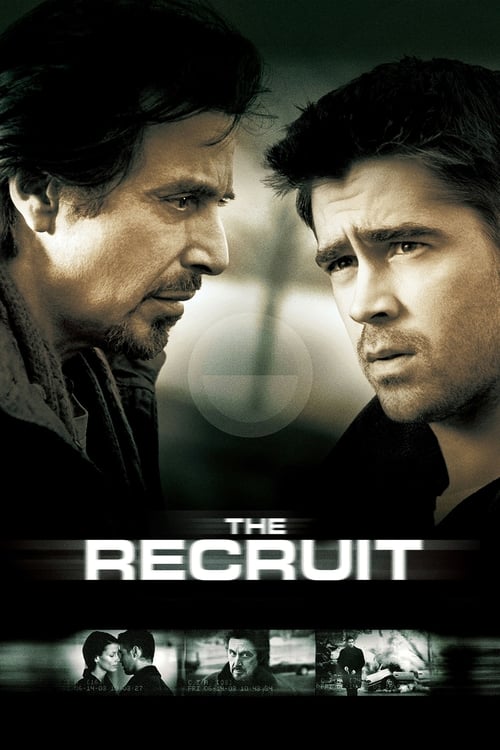
In the ending of "The Recruit," James Clayton confronts the reality of betrayal and deception within the CIA. After a tense showdown, he manages to outsmart his mentor, Walter Burke, and expose the truth about the agency's internal corruption. The film concludes with James taking control of his own fate, leaving behind the manipulative environment of the CIA.
As the climax of "The Recruit" unfolds, James Clayton finds himself in a precarious situation. He has been led to believe that he is part of a training exercise, but the stakes are much higher than he anticipated. The scene is set in a dimly lit warehouse, where James is confronted by Walter Burke, his mentor and a seasoned CIA operative. Walter, who has been a father figure to James throughout his training, reveals his true intentions. He has been manipulating James all along, using him as a pawn in a larger game of espionage.
The tension in the air is palpable as James grapples with feelings of betrayal and confusion. Walter's calm demeanor contrasts sharply with James's rising panic. Walter explains that he has orchestrated a series of events to test James's loyalty and resolve. The emotional weight of this revelation hits James hard; he realizes that the agency he admired is riddled with deceit.
In a moment of clarity, James decides to take control of the situation. He recalls the skills he has learned during his training and formulates a plan. As Walter attempts to assert his dominance, James cleverly turns the tables. He uses his knowledge of the agency's operations to expose Walter's corrupt actions, revealing that Walter has been involved in illegal activities and has been manipulating recruits for his own gain.
The confrontation escalates, and James's determination shines through. He manages to outsmart Walter, leading to a tense standoff. In a final act of defiance, James records Walter's confession, ensuring that the truth will come to light. This moment is pivotal; it signifies James's transformation from a naive recruit to a savvy operative who understands the complexities of loyalty and betrayal.
As the dust settles, the fate of the main characters becomes clear. Walter Burke, once a mentor, is now a fugitive, his career and reputation in ruins. He is left to face the consequences of his actions, a stark reminder of the dangers of manipulation and deceit within the intelligence community.
James Clayton, on the other hand, emerges from this harrowing experience with a newfound sense of agency. He has not only survived the treacherous world of espionage but has also reclaimed his identity. The film concludes with James walking away from the CIA, symbolizing his rejection of the toxic environment that sought to control him. He steps into the unknown, ready to forge his own path, free from the shadows of betrayal that once loomed over him.
In the final moments, the camera lingers on James's face, capturing a mix of relief and determination. He has learned valuable lessons about trust, loyalty, and the moral complexities of his chosen field. The ending leaves viewers with a sense of hope, as James embraces his future, no longer a pawn in someone else's game.
Is there a post-credit scene?
The movie "The Recruit," released in 2003, does not have a post-credit scene. The film concludes with the resolution of its main plot, focusing on the character of James Clayton, played by Colin Farrell, as he navigates the complexities of recruitment into the CIA and the moral dilemmas he faces. After the climax, where James confronts the truth about loyalty and deception, the film wraps up without any additional scenes during or after the credits. The ending leaves viewers with a sense of closure regarding James's journey and the choices he has made.
What motivates James Clayton to join the CIA?
James Clayton, played by Colin Farrell, is motivated to join the CIA primarily due to his desire for a sense of purpose and adventure. He is a talented computer hacker and feels unfulfilled in his current life. The allure of working for a prestigious organization like the CIA, along with the promise of a challenging and exciting career, drives him to pursue this path.
How does Walter Burke manipulate James throughout the training process?
Walter Burke, portrayed by Al Pacino, uses psychological manipulation to test and shape James Clayton during his training at the CIA. He creates scenarios that force James to confront his fears and insecurities, often putting him in morally ambiguous situations. Burke's authoritative presence and cryptic guidance lead James to question his own judgment and loyalty, ultimately pushing him to prove himself in increasingly dangerous situations.
What is the significance of the 'test' that James faces during his training?
The 'test' that James faces during his training is a pivotal moment that highlights the CIA's rigorous selection process. It involves a simulated scenario where James must decide whether to trust his instincts or follow orders. This test is significant as it reveals the core theme of deception within the agency and challenges James to navigate the blurred lines between right and wrong, ultimately shaping his character and future decisions.
How does the relationship between James and Lisa develop throughout the film?
The relationship between James Clayton and Lisa, played by Bridget Moynahan, develops from a chance encounter into a complex emotional connection. Initially, they share a flirtatious bond, but as James becomes more entrenched in the CIA's world, Lisa becomes a source of conflict and vulnerability for him. Their relationship is tested by the secrets James must keep and the dangers of his new life, leading to moments of tension and emotional turmoil as he grapples with his feelings for her.
What role does deception play in the character of Walter Burke?
Walter Burke embodies deception throughout the film, serving as both a mentor and a manipulator to James Clayton. His character is shrouded in mystery, often leading James to question his true intentions. Burke's ability to present himself as a trustworthy guide while simultaneously orchestrating tests of loyalty and betrayal illustrates the theme of deception within the CIA. His actions ultimately reveal the lengths to which he will go to ensure that James is prepared for the harsh realities of espionage.
Is this family friendly?
"The Recruit," produced in 2003, is a thriller that contains several elements that may not be suitable for children or sensitive viewers. Here are some potentially objectionable aspects:
-
Violence: The film includes scenes of physical confrontations, including hand-to-hand combat and the use of firearms. These moments can be intense and may be distressing for younger audiences.
-
Mature Themes: The storyline revolves around espionage, betrayal, and moral ambiguity, which may be complex and unsettling for children to understand.
-
Language: There is the use of strong language throughout the film, which may not be appropriate for younger viewers.
-
Romantic Content: There are romantic scenes that include suggestive dialogue and situations, which may not be suitable for all audiences.
-
Psychological Tension: The film explores themes of trust and deception, leading to moments of high tension and anxiety that could be upsetting for sensitive viewers.
Overall, "The Recruit" is more suited for a mature audience due to its themes and content.







