






































Popular
Should I watch it?
Ask Your Own Question

What is the plot?
Sorry, we aren't able to watch and write up a full detailed plot yet. Check back in a few days.
More Movies Like This
Browse All Movies →






What is the ending?
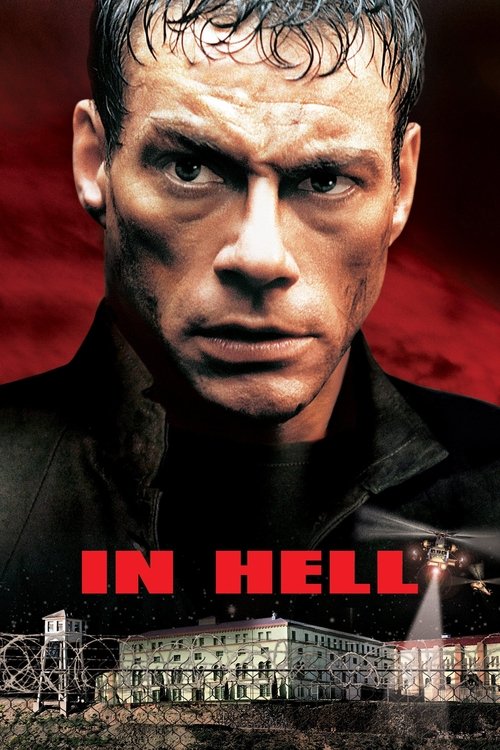
In the ending of "In Hell," the protagonist, Kyle LeBlanc, confronts the brutal reality of the prison system and the corrupt warden, who has been orchestrating the fights for his own gain. After a series of harrowing battles, Kyle ultimately defeats the warden in a climactic showdown. However, instead of escaping, he chooses to end his own life, symbolizing his rejection of the hellish existence he has endured.
Now, let's delve into the ending in a more detailed narrative fashion:
As the film approaches its climax, Kyle LeBlanc, portrayed by Jean-Claude Van Damme, finds himself entrenched in the violent and oppressive environment of the prison. The atmosphere is thick with despair, and the sounds of clashing bodies and anguished cries echo through the dimly lit corridors. Kyle, having endured the brutalities of the prison fights, is now a hardened fighter, driven by a desire for revenge against the corrupt warden, who has exploited the inmates for profit.
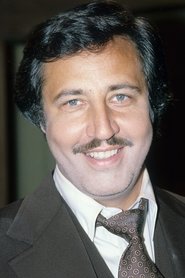
In the final confrontation, the warden, played by Lawrence Taylor, stands as the embodiment of the prison's cruelty. The scene is set in a makeshift arena, surrounded by the other inmates who have become both spectators and unwilling participants in this brutal spectacle. The tension is palpable as Kyle steps into the ring, his body battered but his spirit unbroken. He is fueled by the memories of his deceased wife and the injustices he has faced, which drive him to fight not just for survival, but for a sense of justice.
The fight is intense and visceral, showcasing Kyle's transformation from a man seeking vengeance to one who embodies the spirit of resistance against oppression. Each blow exchanged between Kyle and the warden is a reflection of the larger struggle against the corrupt system that has imprisoned them both. The warden, confident in his power, underestimates Kyle's resolve, leading to a brutal exchange that culminates in Kyle gaining the upper hand.
As the fight reaches its peak, Kyle finally overpowers the warden, delivering a decisive blow that leaves the corrupt figure defeated on the ground. The inmates erupt in a mix of cheers and disbelief, witnessing a moment of triumph against their oppressor. However, instead of reveling in his victory, Kyle stands over the fallen warden, grappling with the weight of his actions and the reality of his situation.
In a poignant moment of clarity, Kyle realizes that even with the warden defeated, the hell he has endured will not simply vanish. The prison remains a place of suffering, and he is still trapped within its walls. The emotional turmoil within him reaches a breaking point as he contemplates the futility of his existence in this hellish environment. In a heart-wrenching decision, Kyle chooses to end his own life, symbolizing his rejection of the cycle of violence and despair that has consumed him.
As the film concludes, the camera lingers on Kyle's lifeless body, a stark reminder of the cost of survival in a corrupt system. The other inmates, once mere spectators, are left to grapple with the implications of his choice, reflecting the harsh reality of their own lives. The fate of the warden is sealed as he lies defeated, a symbol of the corrupt power that has been momentarily toppled but not eradicated.
In the end, "In Hell" leaves the audience with a haunting image of a man who fought against the odds, only to find that true freedom eludes him in a world designed to perpetuate suffering. The film closes on a somber note, emphasizing the themes of despair, the struggle for justice, and the personal cost of fighting against an oppressive system.
Is there a post-credit scene?
In the movie "In Hell," produced in 2003, there is no post-credit scene. The film concludes with a powerful and emotional ending that wraps up the story of the protagonist, Kyle LeBlanc, as he confronts the brutal realities of the prison system and his own quest for vengeance and survival. The film ends on a somber note, focusing on the themes of despair and the struggle for redemption, leaving no additional scenes or content after the credits roll.
What motivates Kyle LeBlanc to fight in the underground prison?
Kyle LeBlanc, played by Jean-Claude Van Damme, is driven by a deep sense of loss and vengeance after witnessing the brutal murder of his wife, Sarah. This traumatic event fuels his desire to survive and seek justice against the corrupt system that has imprisoned him in a hellish underground facility.
How does the prison system operate in the movie?
The prison in 'In Hell' operates as a brutal underground fighting arena where inmates are forced to fight to the death for the entertainment of wealthy spectators. The guards are corrupt and encourage violence, creating a lawless environment where survival depends on strength and ruthlessness.
What is the significance of the character of the Warden?
The Warden, portrayed by Lawrence Taylor, embodies the sadistic nature of the prison system. He manipulates the inmates and profits from their suffering, representing the ultimate authority in this hellish environment. His interactions with Kyle highlight the power dynamics and the moral decay within the prison.
How does Kyle's character evolve throughout the film?
Kyle begins as a broken man, consumed by grief and anger. As he endures the brutal conditions of the prison and faces numerous fights, he transforms into a hardened fighter. This evolution is marked by his growing determination to not only survive but to take revenge on those who wronged him, culminating in a fierce resolve to escape the hell he is trapped in.
What role does the character of the 'Old Man' play in Kyle's journey?
The 'Old Man,' an experienced inmate, serves as a mentor to Kyle, providing him with guidance and insight into the brutal realities of prison life. He teaches Kyle the importance of strategy and mental fortitude, helping him to navigate the violent world of underground fighting and ultimately shaping his path toward survival and revenge.
Is this family friendly?
"In Hell," produced in 2003, is not a family-friendly film. It contains several potentially objectionable or upsetting scenes and aspects that may be distressing for children or sensitive viewers.
-
Graphic Violence: The film features intense and brutal fight scenes, including hand-to-hand combat and the use of weapons, which can be quite graphic and disturbing.
-
Prison Environment: The setting is a harsh and oppressive prison, showcasing the brutality of inmate life, including violence among prisoners and the corrupt nature of the guards.
-
Themes of Torture and Suffering: The film explores themes of torture and suffering, with characters experiencing extreme physical and emotional pain.
-
Death and Despair: There are numerous scenes depicting death, despair, and hopelessness, which can be emotionally heavy and unsettling.
-
Strong Language: The dialogue includes strong profanity and harsh language, contributing to the film's overall dark tone.
-
Psychological Trauma: The protagonist experiences significant psychological trauma, which may be distressing for viewers sensitive to themes of mental anguish.
Overall, the film's intense themes and graphic content make it unsuitable for younger audiences or those who may be sensitive to such material.









