
Popular
What motivates Jordan 'Bick' Benedict III to expand his family's ranch?
How does Leslie Benedict's character evolve throughout the film?
What is the significance of Jett Rink's character in the story?
How does the relationship between Bick and Jett evolve throughout the film?
What role does the setting of Texas play in the characters' lives and conflicts?
Should I watch it?
Ask Your Own Question

What is the plot?
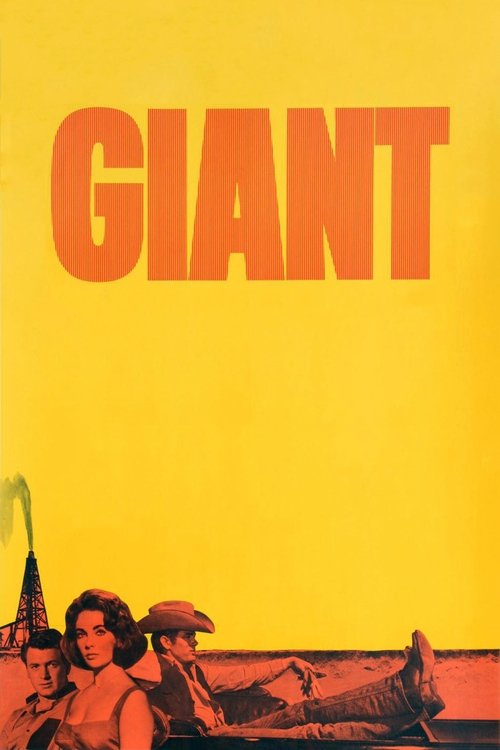
In the mid-1920s, under the refined skies of Maryland, wealthy Texas rancher Jordan "Bick" Benedict Jr. arrives on a horse-buying expedition, his broad shoulders cutting an imposing figure against the manicured estates. He spots Leslie Lynnton, a poised socialite with luminous eyes and unyielding spirit, mid-conversation with a suave British diplomat. Sparks ignite instantly; Leslie ends her budding romance without a backward glance, swept into a whirlwind courtship with Bick that culminates in marriage. They board a train bound for Texas, her Eastern elegance clashing vividly with his rugged rancher demeanor, the landscape shifting from rolling hills to endless prairies as anticipation builds.
Upon arrival at Reata, the vast Benedict family cattle ranch sprawling across the Texas plains, Leslie steps into a world of stark contrasts. The family mansion looms like a gothic relic, its outdated interiors frozen in time for fifty years--dark wood paneling, heavy drapes, and shadows that whisper of unchanging traditions. Bick's hardy sister, Luz Benedict, rules Reata with iron-fisted authority, her sharp features twisting in resentment at this "interloper" from the East. Luz's domain includes the stables housing prized horses like War Winds, Leslie's spirited mount, and the squalid Mexican shanty town worker quarters, where poverty festers unnoticed by the Benedicts.
Amid the ranch hands skulking in the dust is Jett Rink, a dirt-poor, surly cowboy with piercing eyes and a chip on his shoulder the size of Texas. Jett harbors a secret, burning love for the beautiful new Mrs. Benedict, his gaze lingering too long, too hungrily, while his lifelong feud with Bick simmers beneath every curt exchange. Despite his marginalized status--fired and rehired repeatedly for his insolent attitude--Luz treats him with a protective fondness, almost maternal, sharing flirtatious banter that hints at deeper affections. Tension crackles from the outset: Leslie, horrified by the shanty town's filth and the rampant racism toward the Mexican workers, confronts the status quo. "These people live like animals," she declares to Bick, her voice trembling with outrage, but he dismisses her with patriarchal patience, urging adaptation to ranch life.
Days blur into weeks as Leslie asserts her independence, riding War Winds across the sun-baked plains, her silk scarves whipping in the wind. Luz seethes, her identity as Reata's unchallenged queen eroding. One fateful afternoon, jealousy erupts in a vicious confrontation. Luz corners Leslie near the stables, her words laced with venom: "I guess you're going to tell me how to run things, too." Defying warnings that only Leslie rides War Winds, Luz spitefully mounts the horse, digging her spurs deep into its flanks. The animal rears in agony, crying out--a piercing, heart-wrenching whinny that echoes across Reata. Luz is thrown or bolts away in fury, but the damage festers. Soon after, off-screen and shrouded in implication, Luz Benedict dies--likely from natural causes or a riding accident tied to her reckless spite--leaving Reata in stunned silence.
The reading of Luz's will delivers the first major twist, a revelation that sends shockwaves through the family. Despite Bick's plans to evict Jett once and for all, Luz bequeaths him a small, isolated parcel of land on the edge of Reata--Jett Rink's Small Parcel, a worthless sliver in the eyes of cattle barons. Jett's lips curl into a triumphant sneer as he learns of his windfall, clutching the deed like a weapon. Bick and his son Jordy Benedict scheme to buy it out at above-market price, but Jett refuses, his eyes gleaming with ambition. "I'm gonna make more money than you ever dreamed," he mutters, wildcatting for oil in defiant isolation. Leslie, meanwhile, pushes for change, challenging the men's silent gatherings where women are expected to defer. "I won't be quiet just because I'm a woman," she asserts, her voice rising, sparking a rift with Bick that leads to a temporary separation--her fire testing the bonds of their marriage.
Years roll forward, the ranch pulsing with the rhythm of cattle drives and family growth. Bick and Leslie welcome children: eldest daughter Luz Benedict II (named for her late aunt), twins Judy Benedict and Bob Dace (though Bob's surname emerges later), and Jordy Benedict, the heir apparent. Jett, meanwhile, strikes black gold on his parcel. Gushers erupt from the derrick, oil black and viscous, drenching him in fortune as he stands triumphant atop the windmill, surveying his domain like a conqueror. His meteoric rise mirrors real wildcatter tycoons, transforming the pauper into an oil magnate, his wealth eclipsing Reata's cattle empire. He taunts Bick during a heated confrontation at the ranch, leering at Leslie with undisguised lust: "Look at me now, Bick. Bigger than you." The feud escalates--Jett fired again, but untouchable now--symbolizing Texas's tectonic shift from ranching giants to oil barons.
December 1941 arrives on a knife's edge. Christmas Eve at Reata, fairy lights twinkling against the mansion's gloom, the family gathers as news of Pearl Harbor shatters the airwaves. Bick, his face lined with the weight of years, offers his new son-in-law Bob Dace--Judy's husband--a post-war job on the ranch. Bob declines firmly: "I want to build my own life with Judy." The rejection pierces Bick; his children scatter, uninterested in legacy. In a moment of defeat, aging and stripped of confidence, Bick capitulates to Jett's long-standing offer, allowing drilling on Reata proper. Oil rigs sprout like steel flowers across the plains, swelling Benedict coffers, but the victory feels hollow.
World War II ravages onward, claiming its toll. Angel Obregon, a young Hispanic ranch hand treated like a baby by the ranch doctor, marches off to battle and is killed in action--his death a stark undercurrent to the homefront's prosperity. Bob returns safely, but scars linger. Jordy marries Juana, the doctor's daughter, their union producing a brown-skinned grandson whose arrival forces reckonings with Reata's racist underbelly. Leslie evolves into the benevolent matriarch, modernizing the mansion--banishing its spookiness with fresh paint and light--while advocating for workers' rights.
Twenty years later, in the early 1950s, post-war Texas booms with oil derricks piercing the horizon. Jett, now an aging, extravagant magnate, hosts a lavish party at his Austin Hotel, a glittering monument to his success. He invites the Benedicts, his flirtation with Luz Benedict II--now a young woman--culminating in an awkward marriage proposal amid the champagne haze. "Marry me, Luz," he slurs, his once-youthful fire dulled by excess. Luz II rejects him outright, her face a mask of pity and revulsion, shattering Jett's illusions. He drowns in whiskey, staggering through his own celebration, while his staff enforces bigotry: at the hotel beauty shop, they prohibit serving Hispanics, pointedly ignoring Juana.
Humiliated, the Benedicts pile into their car for the drive home from Austin, tension thick as humid night air. They stop at a roadside diner owned by Sarge, its "Right to Refuse Service" sign glaring under neon lights. Sarge, a burly racist with a sneer etched deep, hurls slurs at Juana and their mixed-race grandson--"Go back to Mexico, wetback"--then ejects a Hispanic family mid-meal. Bick, transformed by years of Leslie's influence and family ties, rises like a lion. "These are my family," he growls, defending his daughter-in-law. Chaos erupts in a brutal fistfight: Sarge, stronger and more vicious, pummels Bick bloody, tossing the refusal sign onto his crumpled form. Bick loses physically, ribs cracked and pride bruised, but stands taller morally--earning Leslie's fierce respect, her hand steadying him as they drive away. This climactic confrontation exposes Texas's entrenched prejudices, catalyzing Bick's full awakening from overlord to tolerant patriarch.
Back at Reata, the narrative crescendos to resolution. Jett, isolated on his oil-spewing parcel, ages into a drunken shell--his empire vast but his soul hollow, forever alone in his feud with Bick and unrequited love for Leslie. The Benedicts thrive: Bob and Judy build their lives beyond the ranch; Jordy and Juana raise their child amid improving conditions; Luz II moves to Hollywood, shedding her infatuation with Jett. Inside the now-brightened mansion, Bick--gray-haired but unbowed--plays gently with his brown-skinned grandson on Christmas morning, laughter echoing where shadows once ruled. Leslie watches, her eyes soft with triumph, as Bick admits his past failings: "I was blind." United, they embody progress--Reata a symbol of modernization, equality, and enduring love amid Texas's clashing eras. Oil pumps nod rhythmically outside, but the true giants are the changed hearts within, the old ranching world yielding to a new dawn.



What is the ending?
At the end of the movie "Giant," the characters face the consequences of their choices and the changing landscape of Texas. Jordan "Bick" Benedict Jr. comes to terms with his family's legacy and the impact of the oil boom, while his wife Leslie struggles with the realities of their life. Jett Rink, who has become wealthy from his oil discovery, faces his own isolation and regret. The film concludes with a sense of unresolved tension between the characters, highlighting the complexities of their relationships and the shifting values of their world.
As the film approaches its conclusion, we find ourselves in the expansive Texas landscape, where the once simple life of the Benedict family has been irrevocably altered by the oil boom. The scene opens with Bick Benedict, now a wealthy rancher, standing on the porch of his sprawling estate, gazing out at the land that has changed so dramatically. The sun sets in the background, casting a golden hue over the fields, symbolizing both prosperity and the weight of the past.
Leslie Benedict, Bick's wife, enters the scene, her expression a mix of concern and determination. She has witnessed the transformation of their lives and the impact of wealth on their family dynamics. As they converse, the tension between them is palpable. Bick is proud of his achievements but is also grappling with the changes in his values and the way he treats those around him, particularly Jett Rink.
Jett, who has become a wealthy oil tycoon, is seen in a contrasting scene, alone in his lavish home. The camera captures his isolation, emphasizing the emptiness that wealth has brought him. He reflects on his past, the love he had for Leslie, and the choices that led him to this moment. His once ambitious spirit is now tinged with regret, and he longs for the connection he lost with Leslie and the Benedict family.
The narrative shifts back to the Benedict household, where the family is preparing for a gathering. The atmosphere is tense, as the underlying conflicts between Bick, Leslie, and Jett come to a head. Bick's pride clashes with Jett's bitterness, and the two men confront each other, revealing the deep-seated animosities that have developed over the years. Leslie, caught in the middle, tries to mediate, but the emotional stakes are high, and the conversation escalates.
In a pivotal moment, Bick and Jett's confrontation culminates in a heated exchange, where Bick's traditional values are challenged by Jett's newfound wealth and status. The dialogue is charged with emotion, as both men express their frustrations and desires. Leslie watches, her heart heavy with the realization that the men she cares for are at odds, and their conflict is rooted in deeper issues of identity and belonging.
As the evening progresses, the family gathers for a meal, but the tension remains. The camera captures the strained interactions, highlighting the emotional distance that has grown between them. Leslie attempts to bridge the gap, but the weight of their past decisions looms large. The scene is filled with unspoken words and lingering glances, emphasizing the complexity of their relationships.
In the final moments of the film, we see Bick standing alone outside, looking out over the land once more. The vastness of Texas stretches before him, a reminder of the legacy he has inherited and the future he must navigate. Leslie joins him, and they share a moment of understanding, acknowledging the challenges they face as a family. The film closes with a sense of ambiguity, leaving the audience to ponder the fates of the characters and the evolving landscape of their lives.
Jett Rink, having achieved wealth, is left with a sense of loneliness and regret, symbolizing the emptiness that can accompany success. Bick and Leslie, while united in their love, must confront the realities of their changing world and the impact of their choices on their family and community. The ending encapsulates the film's exploration of ambition, identity, and the complexities of human relationships against the backdrop of a rapidly changing society.
Is there a post-credit scene?
The movie "Giant," produced in 1956, does not have a post-credit scene. The film concludes with a powerful and emotional ending that encapsulates the themes of change, legacy, and the complexities of human relationships. After the climactic events surrounding the characters of Jordan "Bick" Benedict Jr., his wife Leslie, and the tensions with Jett Rink, the film wraps up without any additional scenes or content after the credits. The focus remains on the resolution of the characters' arcs and the implications of their choices throughout the narrative.
What motivates Jordan 'Bick' Benedict III to expand his family's ranch?
Jordan 'Bick' Benedict III is driven by a desire to uphold his family's legacy and expand their ranching empire in Texas. His ambition is fueled by a mix of pride, a need for validation, and a vision of modernizing the ranch to compete with the growing oil industry. Bick's internal conflict arises as he grapples with the changing social dynamics and his own prejudices, particularly towards his Mexican-American ranch hand, Jett Rink.
How does Leslie Benedict's character evolve throughout the film?
Leslie Benedict begins as a refined and somewhat naive woman from the East, marrying Bick and moving to Texas. As the story progresses, she becomes increasingly aware of the social injustices surrounding her, particularly regarding race and class. Her emotional journey is marked by her growing strength and independence, as she challenges Bick's traditional views and advocates for Jett Rink, ultimately becoming a voice for change in a patriarchal society.
What is the significance of Jett Rink's character in the story?
Jett Rink serves as a foil to Bick Benedict, representing the ambitious, self-made man who rises from humble beginnings to wealth through oil discovery. His character embodies the American Dream but also highlights the complexities of class and race relations in Texas. Jett's unrequited love for Leslie and his struggles with acceptance and belonging create a poignant emotional depth, illustrating the personal costs of ambition and the societal barriers he faces.
How does the relationship between Bick and Jett evolve throughout the film?
Initially, Bick views Jett as a mere ranch hand, dismissing him due to his lower social status. However, as Jett's fortunes change with the discovery of oil, their relationship becomes increasingly strained. Bick's jealousy and prejudice surface, leading to confrontations that reveal deep-seated insecurities and societal tensions. Ultimately, their relationship reflects the broader themes of class struggle and the shifting power dynamics in post-war America.
What role does the setting of Texas play in the characters' lives and conflicts?
The vast Texas landscape serves as a backdrop that shapes the characters' identities and conflicts. The ranch symbolizes tradition and the old ways of life, while the encroaching oil industry represents change and modernity. The setting amplifies the characters' struggles, particularly Bick's resistance to change and Leslie's awakening to social issues. The harsh yet beautiful terrain mirrors the emotional landscape of the characters, influencing their decisions and relationships throughout the film.
Is this family friendly?
"Giant," produced in 1956, is a sweeping epic that explores themes of wealth, power, and social change in Texas. While it is a classic film, there are several elements that may be considered objectionable or upsetting for children or sensitive viewers:
-
Racial Tensions: The film addresses issues of racism and discrimination, particularly in the context of the Mexican-American community. There are scenes that depict prejudice and social inequality, which may be difficult for younger viewers to understand.
-
Violence: There are moments of physical confrontation and implied violence, particularly related to the tensions between characters. While not graphic, these scenes can be intense.
-
Infidelity and Marital Strain: The film explores complex adult relationships, including infidelity and the emotional turmoil that comes with it. This may be challenging for younger audiences to process.
-
Death and Loss: Themes of mortality and the impact of loss are present, particularly as characters face the consequences of their choices over time.
-
Emotional Conflict: Characters experience significant emotional struggles, including jealousy, ambition, and regret, which may be heavy for younger viewers to fully grasp.
Overall, while "Giant" is a significant cinematic work, its mature themes and emotional depth may not be suitable for all children or sensitive individuals.