


Popular
What specific examples of Russian satire are discussed in the episode?
How does Samantha Bee address the challenges faced by Russian satirists?
What role does humor play in the lives of Russian citizens as depicted in the episode?
Are there any specific Russian satirists or comedians featured in the episode?
How does the episode compare Russian satire to American satire?
Should I watch it?
Ask Your Own Question

What is the plot?
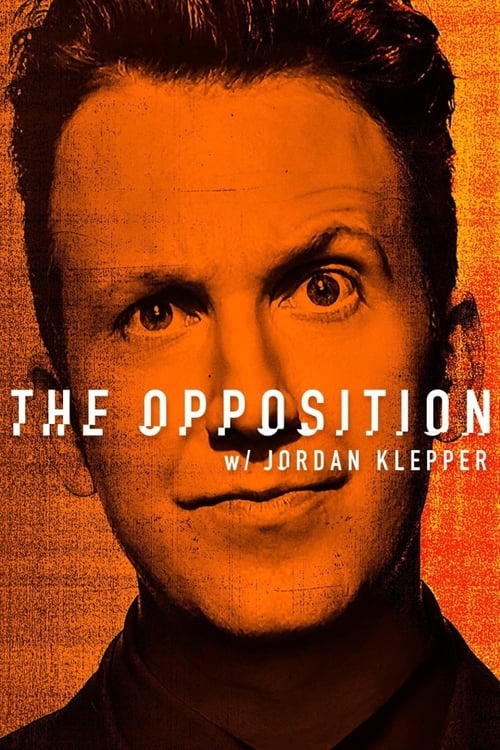
In "Web Extra: The State of Russian Satire," Samantha Bee opens the segment by introducing the topic of satire in Russia, particularly in the context of the political climate under Vladimir Putin. She sets the tone with a mix of humor and seriousness, emphasizing the challenges faced by comedians and satirists in a country where free speech is heavily restricted.
The scene transitions to a montage of various Russian satirical shows, showcasing clips that highlight the unique style of humor that has emerged in response to the oppressive political environment. Bee narrates over these clips, pointing out the cleverness and bravery of Russian comedians who use satire as a tool to critique the government, despite the risks involved.
Next, Bee interviews a Russian comedian, who shares personal anecdotes about the dangers of making jokes about the government. The comedian expresses a sense of fear but also a strong commitment to using humor as a form of resistance. This segment is interspersed with clips of the comedian's performances, illustrating the sharp wit and biting commentary that characterize their work.
The narrative then shifts to discuss the impact of state-controlled media on satire in Russia. Bee explains how many comedians have to navigate a landscape where their work is constantly monitored and censored. She highlights specific instances where comedians faced backlash for their jokes, including legal repercussions and public shaming.
As the segment progresses, Bee contrasts the situation in Russia with that of comedians in the United States, pointing out the relative freedom they enjoy. She uses this comparison to underscore the importance of satire as a means of social commentary and the role it plays in a healthy democracy.
The episode culminates in a powerful moment where Bee reflects on the resilience of Russian satirists. She emphasizes their ability to find humor in dire circumstances and the vital role they play in challenging authority. The segment ends on a hopeful note, suggesting that despite the oppressive environment, the spirit of satire in Russia remains alive and continues to inspire those who dare to speak out.

What is the ending?
In the ending of "Web Extra: The State of Russian Satire," Samantha Bee wraps up her exploration of the challenges faced by satirists in Russia. She emphasizes the oppressive environment that stifles free expression and the resilience of those who continue to push boundaries through humor. The segment concludes with a poignant reminder of the importance of satire as a tool for social commentary, even in the face of adversity.
As the segment draws to a close, Samantha Bee stands in front of the camera, her expression a mix of determination and empathy. She reflects on the stories shared throughout the episode, highlighting the struggles of Russian comedians and satirists who navigate a landscape fraught with censorship and danger. The screen transitions to clips of various Russian satirists, showcasing their bold attempts to critique the government despite the risks involved.
In one scene, Bee recounts a particularly harrowing story of a comedian who faced severe repercussions for a joke that was deemed offensive by the authorities. The camera cuts to a somber image of the comedian, their face etched with concern, as they discuss the fear that looms over their craft. This moment serves to illustrate the personal stakes involved in the pursuit of satire in Russia, where humor can lead to imprisonment or worse.
The narrative then shifts to a more hopeful tone as Bee highlights the resilience of these artists. She shares clips of a satirical show that continues to air despite government pressure, showcasing the cleverness and creativity of the writers and performers. The laughter of the audience is juxtaposed with the serious undertones of their work, emphasizing the power of humor to challenge the status quo.
As the episode concludes, Bee delivers a heartfelt message about the importance of supporting free expression and the role of satire in society. She urges viewers to appreciate the courage of those who risk everything to speak truth to power. The screen fades to black, leaving the audience with a sense of urgency and a call to action, reminding them that the fight for freedom of expression is ongoing and vital.
In this ending, the main characters--Samantha Bee and the Russian satirists--are portrayed as resilient and courageous. Bee's role as a commentator and advocate for free speech is clear, while the satirists exemplify the struggle against oppression. The fate of these characters is intertwined with the broader narrative of freedom and the enduring power of satire, leaving viewers with a lasting impression of the challenges faced by those who dare to speak out.
Is there a post-credit scene?
In the episode "Web Extra: The State of Russian Satire" from "Full Frontal with Samantha Bee," there is no post-credit scene. The episode focuses on the landscape of satire in Russia, exploring how comedians and satirists navigate the challenges posed by censorship and government scrutiny. Samantha Bee interviews various Russian comedians, highlighting their struggles and the unique ways they express dissent through humor. The episode concludes without any additional scenes or content after the credits, maintaining its focus on the serious and often dangerous environment for satire in Russia.
What specific examples of Russian satire are discussed in the episode?
The episode highlights various forms of Russian satire, including popular television shows and online content that critique the government and societal issues. It showcases how comedians and satirists navigate censorship while still delivering pointed commentary.
How does Samantha Bee address the challenges faced by Russian satirists?
Samantha Bee discusses the risks that Russian satirists take, including potential legal repercussions and threats to their safety. She emphasizes the courage required to speak out against the government in a repressive environment.
What role does humor play in the lives of Russian citizens as depicted in the episode?
The episode illustrates how humor serves as a coping mechanism for Russian citizens, providing them with a way to express dissent and critique the political landscape, even in the face of oppression.
Are there any specific Russian satirists or comedians featured in the episode?
Yes, the episode features interviews and clips from notable Russian satirists, showcasing their work and the unique challenges they face in their craft.
How does the episode compare Russian satire to American satire?
Samantha Bee draws parallels between Russian and American satire, discussing the differences in freedom of expression and the varying levels of risk involved in making political jokes in each country.
Is this family friendly?
"Web Extra: The State of Russian Satire" from "Full Frontal with Samantha Bee" features a blend of political commentary and humor that may not be suitable for all audiences, particularly children or sensitive viewers.
Potentially objectionable or upsetting aspects include:
-
Political Satire: The episode discusses the state of satire in Russia, which may include references to political oppression and censorship that could be distressing for younger viewers.
-
Dark Humor: The use of dark humor related to serious topics such as government control and the consequences faced by satirists in Russia may not be appropriate for all ages.
-
Candid Discussions: There may be frank discussions about the risks faced by comedians and satirists, which could be unsettling for some viewers.
-
Mature Themes: The episode touches on themes of freedom of expression and the dangers associated with it, which might be complex and difficult for children to fully understand.
Overall, while the episode is crafted with humor, the underlying themes and discussions may not be family-friendly.









