
































Popular
What are the circumstances that lead to the babies being switched at birth?
How do the families react when they find out about the switch?
What role does the character of the hospital nurse play in the story?
How does the relationship between the two girls develop throughout the film?
What are the key emotional conflicts faced by the main characters?
Should I watch it?
Ask Your Own Question

What is the plot?
Sorry, we aren't able to watch and write up a full detailed plot yet. Check back in a few days.








What is the ending?
In the ending of "Switched at Birth," the two families come to terms with the truth about their daughters' identities. The film concludes with a sense of resolution as both families begin to understand the importance of their daughters' lives and the bond they share, despite the circumstances of their switch at birth.
As the final scenes unfold, we see the two girls, now teenagers, grappling with their identities and the emotional turmoil of their situation. They confront their biological parents and the families they have grown up with, leading to heartfelt discussions about love, belonging, and the meaning of family. The film ends on a hopeful note, suggesting that while the past cannot be changed, the future holds possibilities for both families to heal and grow together.
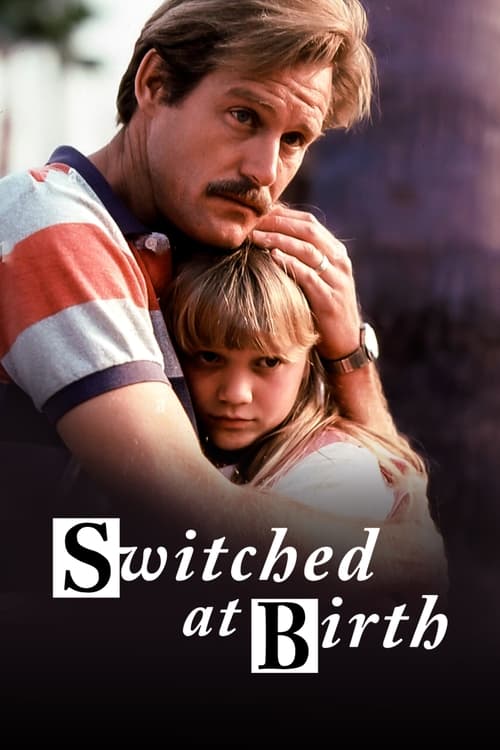
The ending of "Switched at Birth" begins with a tense atmosphere as the two families, the McBrides and the Lances, gather in a shared space to confront the reality of their situation. The camera pans across the room, capturing the anxious expressions on the faces of the parents, who are still reeling from the revelation that their daughters were switched at birth. The air is thick with unspoken words and unresolved emotions.
As the scene unfolds, we see the two girls, who have been raised in very different environments, standing side by side. They exchange glances filled with uncertainty and a hint of understanding. The weight of their identities hangs heavily on their shoulders, and the audience can feel the internal conflict each girl faces. They have grown up in families that love them, yet they are now faced with the truth of their biological origins.
The first significant moment occurs when the girls, feeling the pressure of the situation, decide to speak up. They express their feelings of confusion and betrayal, their voices trembling with emotion. The camera zooms in on their faces, capturing the tears welling in their eyes as they articulate the pain of feeling like they belong to two worlds but are accepted in neither. This moment is pivotal, as it highlights their struggle for identity and the emotional toll of the switch.
Next, the parents take turns sharing their perspectives. The McBrides, who have raised one of the girls, express their deep love and the fear of losing her. The Lances, on the other hand, voice their anger and hurt at having missed out on their biological daughter's life. The dialogue is raw and honest, revealing the complexities of love, loss, and the desire for connection. The camera captures the shifting dynamics in the room, as emotions ebb and flow, creating a palpable tension.
As the confrontation reaches its peak, the girls suggest a compromise: they propose that both families come together to support each other and their daughters. This suggestion is met with a mix of surprise and hesitation, but ultimately, it serves as a turning point. The families begin to realize that while they cannot change the past, they can forge a new path forward together.
In the final scenes, we see the two families engaging in activities that symbolize their newfound connection. They share meals, attend events together, and even participate in family outings. The camera captures moments of laughter and joy, juxtaposed with the earlier tension, illustrating the healing process that is beginning to take place. The girls, now more confident in their identities, embrace their dual heritage, understanding that they are shaped by both families.
The film concludes with a poignant scene where the girls stand together, looking out at a sunset. They share a moment of quiet reflection, acknowledging the journey they have been on and the bond they now share. The screen fades to black, leaving the audience with a sense of hope and the message that family is not solely defined by blood, but by love and connection.
In the end, the McBrides and the Lances find a way to coexist, learning to appreciate the unique circumstances that brought them together. The girls, having navigated the complexities of their identities, emerge stronger and more resilient, ready to embrace their futures with the support of both families.
Is there a post-credit scene?
The movie "Switched at Birth," produced in 1991, does not have a post-credit scene. The film concludes its narrative without any additional scenes after the credits roll. The story wraps up with the resolution of the central conflict surrounding the two girls who were mistakenly switched at birth, focusing on their emotional journeys and the impact on their families. The ending emphasizes themes of identity, family, and the bonds that form despite the circumstances.
What are the circumstances that lead to the babies being switched at birth?
In 'Switched at Birth,' the switch occurs when two newborns, one from a wealthy family and the other from a working-class background, are mistakenly exchanged in the hospital due to a mix-up in the nursery. This pivotal moment sets the stage for the emotional and social complexities that unfold as the families discover the truth.
How do the families react when they find out about the switch?
When the families learn about the switch, their reactions are filled with shock, anger, and confusion. The wealthy family, who has raised the wrong child, feels a deep sense of betrayal and loss, while the working-class family grapples with feelings of guilt and the fear of losing the child they have raised. This emotional turmoil drives the narrative forward as both families confront their feelings and the implications of the switch.
What role does the character of the hospital nurse play in the story?
The hospital nurse plays a crucial role in the story as she is the one who inadvertently causes the switch. Her character embodies the human error that leads to the central conflict of the film. As the story progresses, she becomes a source of guilt and regret, reflecting on her actions and their consequences on the lives of both families.
How does the relationship between the two girls develop throughout the film?
As the two girls, who were switched at birth, come to know each other, their relationship evolves from initial hostility and confusion to a deeper understanding and bond. They navigate the complexities of their identities and family dynamics, leading to moments of empathy and connection as they confront their shared history and the impact of the switch on their lives.
What are the key emotional conflicts faced by the main characters?
The main characters face several key emotional conflicts, including identity crises, feelings of abandonment, and the struggle to reconcile their past with their present. The girls grapple with their sense of belonging and the love they feel for the families that raised them, while the parents deal with the pain of realizing they have been raising someone else's child, leading to a profound exploration of love, loyalty, and the meaning of family.
Is this family friendly?
"Switched at Birth," produced in 1991, is generally considered family-friendly, but it does contain some themes and scenes that may be sensitive for children or those who are particularly sensitive. Here are a few aspects to consider:
-
Emotional Turmoil: The film deals with themes of identity, belonging, and the emotional struggles of the characters as they navigate the consequences of being switched at birth. This can evoke strong feelings and may be upsetting for some viewers.
-
Family Conflict: There are scenes that depict tension and conflict between family members as they grapple with the implications of the switch. This may be distressing for younger viewers who are sensitive to family dynamics.
-
Identity Crisis: The characters experience significant internal conflict regarding their identities and the lives they have led, which can be heavy and thought-provoking.
-
Parental Reactions: Some scenes involve parents reacting strongly to the revelations about their children, which may include moments of anger, sadness, or confusion.
-
Social Issues: The film touches on social issues related to adoption and family structure, which may prompt discussions that some viewers might find challenging.
Overall, while the film is suitable for a family audience, these elements may require parental guidance for younger viewers or those who are particularly sensitive to emotional themes.







