











Popular
What motivates Beans to rise in the ranks of the drug trade?
How does Beans' relationship with his crew evolve throughout the film?
What role does the character Dame play in Beans' journey?
How does the film depict the consequences of the drug trade on personal relationships?
What is the significance of the character's downfall in the story?
Should I watch it?
Ask Your Own Question

What is the plot?
Sorry, we aren't able to watch and write up a full detailed plot yet. Check back in a few days.
More Movies Like This
Browse All Movies →





What is the ending?
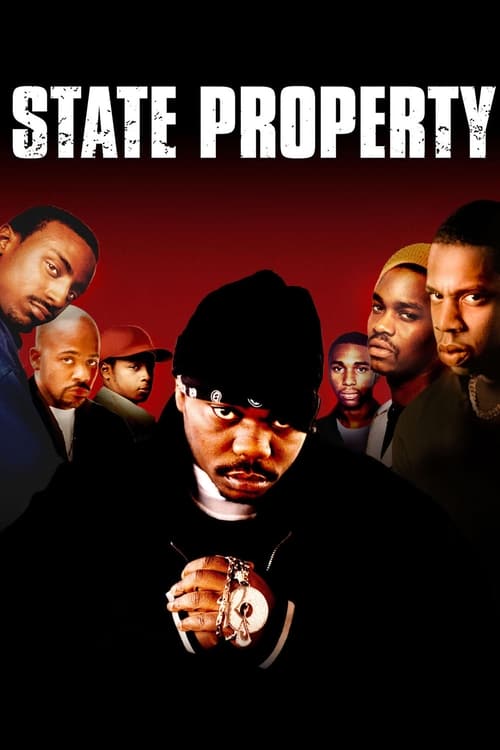
In the ending of State Property, Beans, the main character, faces the consequences of his violent lifestyle. After a series of betrayals and conflicts, he finds himself in a confrontation with his former allies. The film concludes with a violent showdown, leading to Beans' arrest and a reflection on the choices he made throughout his life.
As the climax of State Property unfolds, the tension escalates dramatically. Beans, portrayed by Beanie Sigel, is deeply entrenched in the drug trade and the violent world that accompanies it. The film's final act begins with Beans realizing that his empire is crumbling. His closest associates, who once stood by him, are now turning against him, driven by greed and the desire for power.
In a pivotal scene, Beans confronts his former friend and partner, who has betrayed him. The atmosphere is thick with tension as they exchange heated words, each man aware that their friendship has been irrevocably shattered. The betrayal cuts deep for Beans, who had always believed in loyalty above all else. His emotional state is a mix of anger, betrayal, and desperation as he grapples with the reality of his situation.
The confrontation escalates into violence, and a shootout ensues. The camera captures the chaos of the moment, with bullets flying and the sound of gunfire echoing through the streets. Beans fights fiercely, but the odds are stacked against him. The visceral nature of the violence reflects the harsh realities of the life he chose, and the consequences of his actions come crashing down around him.
As the dust settles, Beans is left standing amidst the wreckage of his life. The once-mighty figure in the drug world is now a man facing the law. He is arrested, handcuffed, and led away by police officers, the weight of his choices heavy on his shoulders. The final moments of the film show Beans in a holding cell, a look of resignation on his face as he contemplates the path that led him to this point.
The fates of other key characters are also revealed in this climax. Beans' former allies, who once shared in the spoils of their criminal enterprise, are either dead or captured, illustrating the brutal reality of their lifestyle. The film closes with a sense of inevitability, as the cycle of violence and betrayal continues, leaving Beans to reflect on the emptiness of his pursuits and the cost of his ambition. The ending serves as a stark reminder of the consequences of a life steeped in crime and the fragility of loyalty in such a world.
Is there a post-credit scene?
The movie "State Property," produced in 2002, does not have a post-credit scene. The film concludes without any additional scenes or content after the credits roll. The story wraps up with the main characters facing the consequences of their actions, leaving the audience with a sense of closure regarding the narrative. The focus remains on the intense drama and the struggles of the characters throughout the film, rather than extending the story beyond its conclusion.
What motivates Beans to rise in the ranks of the drug trade?
Beans, played by Beanie Sigel, is driven by a desire for power, respect, and financial success. He comes from a background where he has faced struggles and sees the drug trade as a means to escape his circumstances. His ambition is fueled by a need to prove himself and gain recognition in a world dominated by violence and betrayal.
How does Beans' relationship with his crew evolve throughout the film?
Initially, Beans has a strong bond with his crew, which includes characters like Dame and the rest of the State Property team. However, as Beans becomes more consumed by his ambition and the desire for control, tensions rise. His decisions lead to conflicts within the crew, showcasing a shift from camaraderie to distrust, ultimately resulting in betrayal and violence.
What role does the character Dame play in Beans' journey?
Dame, portrayed by Damon Dash, serves as both a mentor and a rival to Beans. He initially supports Beans in his rise to power but becomes increasingly wary of Beans' ruthless tactics. Dame's character represents the moral dilemmas within the drug trade, as he struggles with the consequences of their actions and the impact on their community, ultimately leading to a fracture in their relationship.
How does the film depict the consequences of the drug trade on personal relationships?
The film illustrates the devastating impact of the drug trade on personal relationships through the deterioration of trust and loyalty among the characters. As Beans becomes more ruthless, he alienates those closest to him, including his crew and family. The emotional toll is evident as characters grapple with betrayal, loss, and the harsh realities of their choices, leading to tragic outcomes.
What is the significance of the character's downfall in the story?
Beans' downfall is significant as it serves as a cautionary tale about the perils of ambition and the drug lifestyle. His rise to power is marked by violence and betrayal, and as he loses control over his crew and his life, it highlights the inevitable consequences of his choices. The emotional weight of his downfall reflects the broader themes of loyalty, morality, and the cost of pursuing power at any price.
Is this family friendly?
"State Property," produced in 2002, is not considered family-friendly due to its mature themes and content. The film contains several potentially objectionable elements, including:
-
Violence: The film features graphic depictions of gang violence, including shootouts and physical confrontations that may be disturbing to younger viewers.
-
Drug Use: There are scenes that depict drug dealing and the lifestyle associated with it, which may be inappropriate for children.
-
Strong Language: The dialogue includes frequent use of profanity and explicit language, which may not be suitable for sensitive audiences.
-
Adult Themes: The film explores themes of crime, betrayal, and the harsh realities of street life, which may be upsetting for some viewers.
-
Sexual Content: There are instances of sexual situations and suggestive content that may not be appropriate for younger audiences.
Overall, the film's gritty portrayal of urban life and its focus on criminal activity make it more suitable for mature audiences.