



















Popular
What gadgets does Doraemon use to help Nobita in Season 1?
How does Nobita's relationship with Shizuka develop in Season 1?
What challenges does Nobita face with Gian and Suneo in Season 1?
What is the significance of the 'Time Machine' in Nobita's adventures?
How does Doraemon's character influence Nobita's growth in Season 1?
Should I watch it?
Ask Your Own Question

What is the plot?
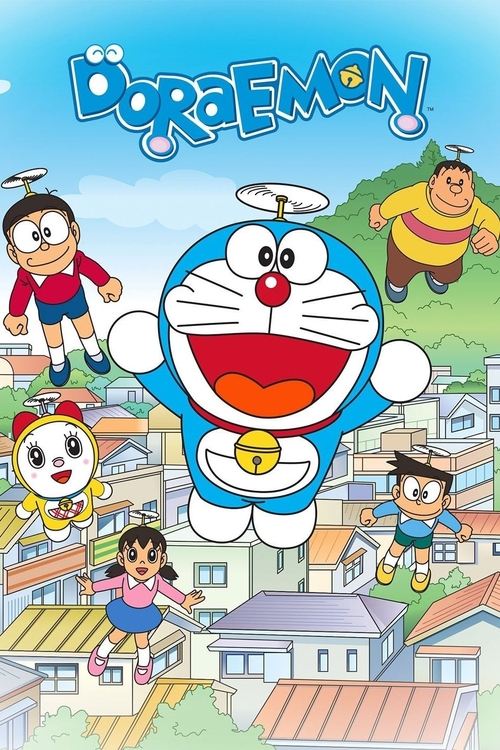
In the first episode of "Doraemon," we are introduced to Nobita Nobi, a clumsy and lazy elementary school boy who struggles with his studies and is often bullied by his classmates, particularly Gian and Suneo. Nobita's life takes a turn when he discovers a robotic cat from the future named Doraemon, who has been sent back in time to help him. Doraemon reveals that he has a four-dimensional pocket filled with futuristic gadgets that can assist Nobita in overcoming his daily challenges.
Nobita is initially skeptical but quickly becomes excited about the possibilities that Doraemon's gadgets offer. Doraemon shows him a gadget called the "Take-copter," which allows Nobita to fly. Eager to impress his classmates and avoid being bullied, Nobita uses the Take-copter to soar above the town. However, his excitement leads to a series of mishaps, including nearly crashing into a tree and causing chaos in the neighborhood. Doraemon, concerned about the potential consequences of Nobita's reckless use of the gadget, intervenes to prevent further trouble.
In the following scenes, Nobita faces a dilemma when he is tasked with studying for an important exam. He struggles to concentrate and is tempted to use another gadget, the "Memory Bread," which allows him to absorb information by eating the bread. Despite Doraemon's warnings about relying too heavily on gadgets, Nobita decides to use the Memory Bread to cram for his exam. He feels a rush of confidence as he memorizes the material, but his overreliance on the gadget leads to a lack of understanding of the subject matter.
On the day of the exam, Nobita's plan backfires. He finds himself unable to recall the information he memorized and panics during the test. His classmates, who had studied diligently, perform well, while Nobita's results are dismal. Feeling defeated, he returns home, where Doraemon comforts him and emphasizes the importance of hard work and learning rather than solely depending on gadgets.
As the episode progresses, Nobita's relationship with Doraemon deepens. Nobita begins to understand that while gadgets can be helpful, they cannot replace effort and determination. The episode concludes with Nobita vowing to study harder in the future, and Doraemon promising to support him in his endeavors, setting the stage for their ongoing adventures together.
In subsequent episodes, various gadgets are introduced, each leading to unique situations. For instance, in one episode, Nobita uses the "Anywhere Door," which allows him to travel anywhere instantly. He initially uses it to escape from his responsibilities, but soon realizes that running away from problems does not solve them. This realization prompts him to confront his issues head-on, with Doraemon's guidance.
Another episode features the "Time Machine," which allows Nobita to travel back in time. He decides to revisit moments in his past to change outcomes, but each attempt leads to unforeseen consequences, teaching him valuable lessons about accepting the past and making the most of the present.
Throughout the season, Nobita's character evolves as he learns from his experiences with Doraemon's gadgets. He faces challenges that test his courage, friendship, and determination. Each episode builds on the last, showcasing the growth of Nobita as he navigates the complexities of childhood with the help of his robotic friend.
The season culminates in a heartfelt moment where Nobita realizes that true strength comes from within and that the support of friends, like Doraemon, is invaluable. The bond between Nobita and Doraemon solidifies, highlighting the themes of friendship, perseverance, and the importance of learning from one's mistakes.








What is the ending?
In the final episodes of "Doraemon" Season 1, the story culminates with a series of adventures that highlight the bond between Nobita and Doraemon. The episodes focus on their friendship, the challenges they face, and the lessons they learn together. Ultimately, the season ends on a hopeful note, emphasizing the importance of perseverance and the value of friendship.
As the final episodes unfold, we see Nobita struggling with his schoolwork and feeling the pressure of his upcoming exams. Doraemon, ever the supportive friend, uses his futuristic gadgets to help Nobita study. In one scene, they use a time machine to go back and gather knowledge from historical figures, which leads to humorous and enlightening encounters. Nobita's initial excitement turns to anxiety as he realizes the weight of his responsibilities.
In another episode, Nobita faces a bully at school, and with Doraemon's help, he learns to stand up for himself. They devise a plan using a gadget that allows Nobita to project confidence, which ultimately helps him confront the bully. This moment is pivotal for Nobita, as he begins to understand the importance of self-assertion and courage.
As the season progresses, the emotional stakes rise when Nobita's friends, Shizuka, Gian, and Suneo, become involved in their adventures. Each character brings their own challenges and growth to the story. Shizuka's kindness and support for Nobita shine through, while Gian's boisterous personality often leads to comedic situations. Suneo, on the other hand, serves as a foil to Nobita, pushing him to improve and grow.
The climax of the season arrives when Nobita faces a particularly difficult exam. With Doraemon's gadgets, he prepares thoroughly, but when the day comes, he is filled with doubt. In a moment of vulnerability, he confides in Doraemon about his fears of failure. Doraemon reassures him, reminding him that it's okay to make mistakes and that true success comes from trying your best.
The final scenes depict Nobita taking the exam, his heart racing as he recalls the lessons learned from his adventures with Doraemon. The tension is palpable as he writes his answers, and the audience is left wondering if he will succeed. The season concludes with Nobita receiving his results, and while they are not perfect, he feels a sense of accomplishment for having tried hard and learned from his experiences.
In the end, Nobita, Doraemon, and their friends gather to celebrate their growth and the bonds they have formed. The season closes with a sense of optimism, highlighting that while challenges may arise, the support of friends and the courage to face fears can lead to personal growth and happiness. Each character leaves the season with a renewed sense of purpose, ready to tackle whatever comes next in their lives.
Is there a post-credit scene?
In the 2005 version of "Doraemon," specifically in Season 1, there are no post-credit scenes. The episodes typically conclude with a brief recap or a light-hearted moment that ties back to the episode's theme, but they do not feature additional scenes after the credits. The focus remains on the adventures of Nobita and his robotic cat friend, Doraemon, as they navigate various challenges and misadventures throughout their day-to-day lives. Each episode wraps up neatly, often with a moral lesson or a humorous twist, but without any extended scenes beyond the credits.
What gadgets does Doraemon use to help Nobita in Season 1?
In Season 1 of Doraemon, various gadgets are introduced that Doraemon uses to assist Nobita. Notable gadgets include the 'Take-copter,' which allows Nobita to fly, the 'Anywhere Door' that enables instant travel to any location, and the 'Time Machine' that lets them travel to different time periods. Each gadget serves a specific purpose, often leading to humorous or chaotic situations.
How does Nobita's relationship with Shizuka develop in Season 1?
Throughout Season 1, Nobita's feelings for Shizuka are evident as he often tries to impress her. In episodes like 'Nobita's Dinosaur,' he shows a protective side, while in 'The Secret of the Magic Lamp,' he attempts to use Doraemon's gadgets to win her affection. His clumsy attempts often lead to comedic failures, but they also highlight his genuine care for her.
What challenges does Nobita face with Gian and Suneo in Season 1?
Nobita frequently faces bullying from Gian and Suneo in Season 1. Gian, known for his strength and singing, often intimidates Nobita, while Suneo enjoys teasing him. In episodes like 'The Great Adventure of the Dinosaur,' Nobita's attempts to stand up to them lead to humorous confrontations, showcasing his insecurities and desire for acceptance.
What is the significance of the 'Time Machine' in Nobita's adventures?
The 'Time Machine' is a pivotal gadget in Season 1, allowing Nobita and his friends to explore different eras. In episodes like 'Nobita's Time Machine,' they encounter historical figures and experience significant events, which not only provide entertainment but also teach them valuable lessons about friendship and responsibility.
How does Doraemon's character influence Nobita's growth in Season 1?
Doraemon serves as a mentor and friend to Nobita throughout Season 1. His guidance often helps Nobita navigate challenges, such as dealing with schoolwork or social situations. Doraemon's patience and encouragement push Nobita to confront his fears and insecurities, fostering his growth from a timid boy to someone more confident.
Is this family friendly?
"Doraemon," particularly in its first season produced in 2005, is generally considered family-friendly and suitable for children. The show revolves around the adventures of a robotic cat named Doraemon and his human friend Nobita Nobi, focusing on themes of friendship, problem-solving, and the consequences of one's actions.
However, there are a few aspects that might be considered potentially objectionable or upsetting for some children or sensitive viewers:
-
Bullying and Teasing: Nobita often faces bullying from his classmates, particularly from Gian and Suneo. These interactions can be distressing for sensitive viewers, as they depict social conflict and emotional distress.
-
Failure and Frustration: Nobita frequently struggles with his academic performance and social interactions, leading to feelings of inadequacy and frustration. These themes may resonate with children who experience similar challenges.
-
Mild Scares: Some episodes feature fantastical elements that could be mildly frightening, such as encounters with ghosts or monsters, which may be unsettling for very young viewers.
-
Consequences of Actions: The use of Doraemon's gadgets often leads to unintended consequences, which can result in chaos or trouble for Nobita. This may convey a sense of anxiety about the outcomes of one's choices.
-
Emotional Moments: There are scenes that explore deeper emotions, such as loneliness or disappointment, which might be heavy for younger audiences to process.
Overall, while "Doraemon" is designed to entertain and educate children, these elements may require parental guidance for younger or more sensitive viewers.